
Pain After Breast Implant Removal: What Is Normal, How Long It Lasts and When to Worry
MSc, MD Ho Cao Vu
Medical practice licence No. 028475/BYT-CCHN, issued by the Ministry of Health of Vietnam on 28 June 2018. Specialist in General Surgery and Plastic & Aesthetic Surgery, with over 15 years of experience in plastic and aesthetic surgery and over 20 years of general surgical experience in benign breast disease, breast cancer, abdominal wall and abdominal surgery at Cho Ray Hospital.
Updated October 2026 — cross-checked against a 2022 study of pain control in 352 women having implant removal with capsulectomy, the IASP definition of chronic postsurgical pain for ICD-11 (2019) and The Aesthetic Society’s recovery guidance for breast implant revision.
Most women feel some soreness after breast implant removal, usually worst in the first two days and easing each day after that. How much depends on what was done: taking out an implant alone is generally less painful than removing the capsule from the chest wall or combining removal with a lift. This guide explains which kinds of pain are expected, how long they usually last, and which signs need a call to the surgeon.
The short answer: how much pain is normal after explant surgery?
Expect tightness, aching and tenderness for the first few days, with stiffness when raising the arms. The Aesthetic Society notes that pain is usually greatest within the first 48 hours, should decrease each day, and that complete removal of implants usually means a brief recovery with minimal discomfort.
Pain that is getting worse rather than better, pain on one side with a swollen, tense breast, or chest pain with breathlessness is different. These are reasons to contact the surgical team the same day.
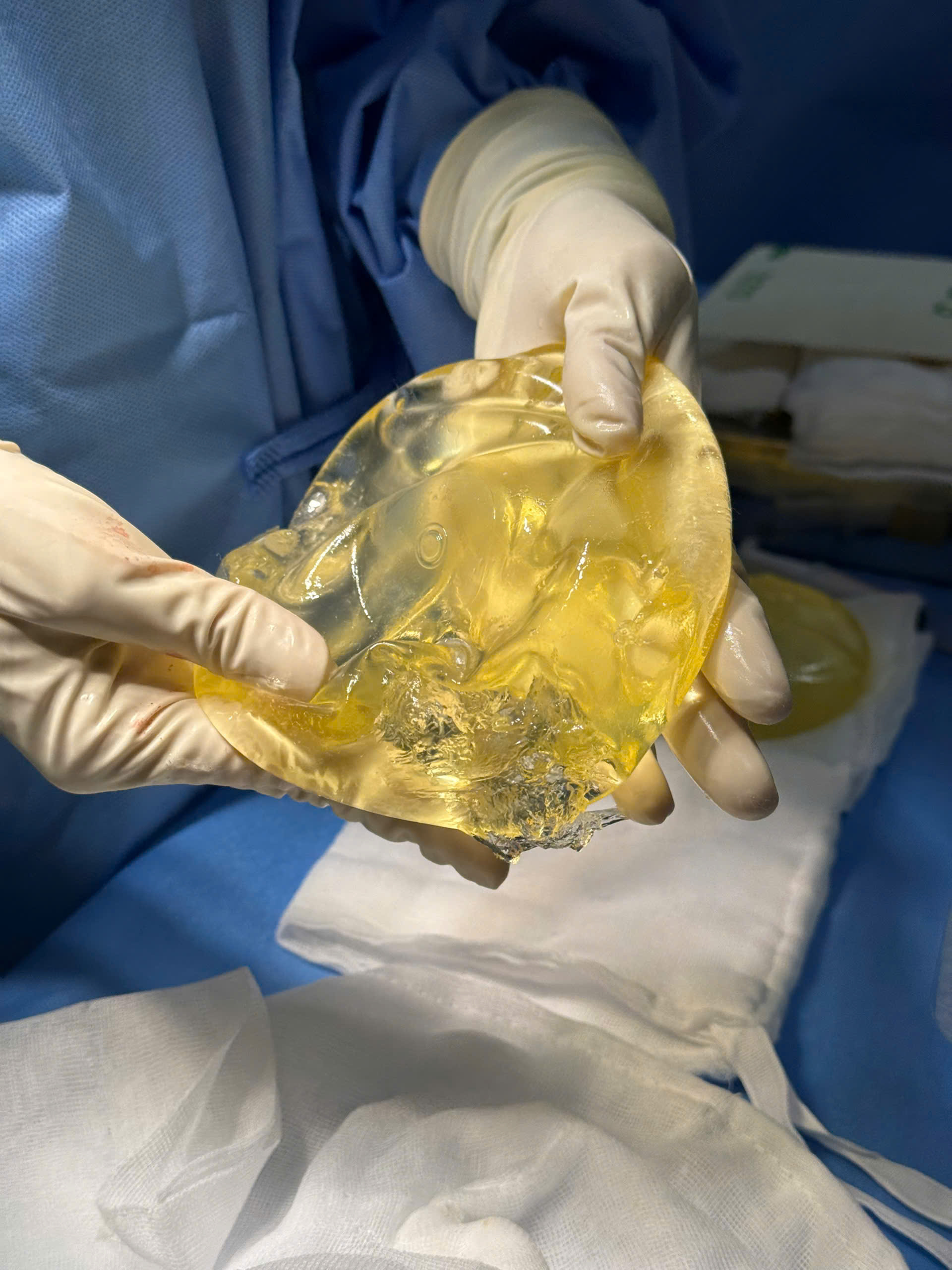
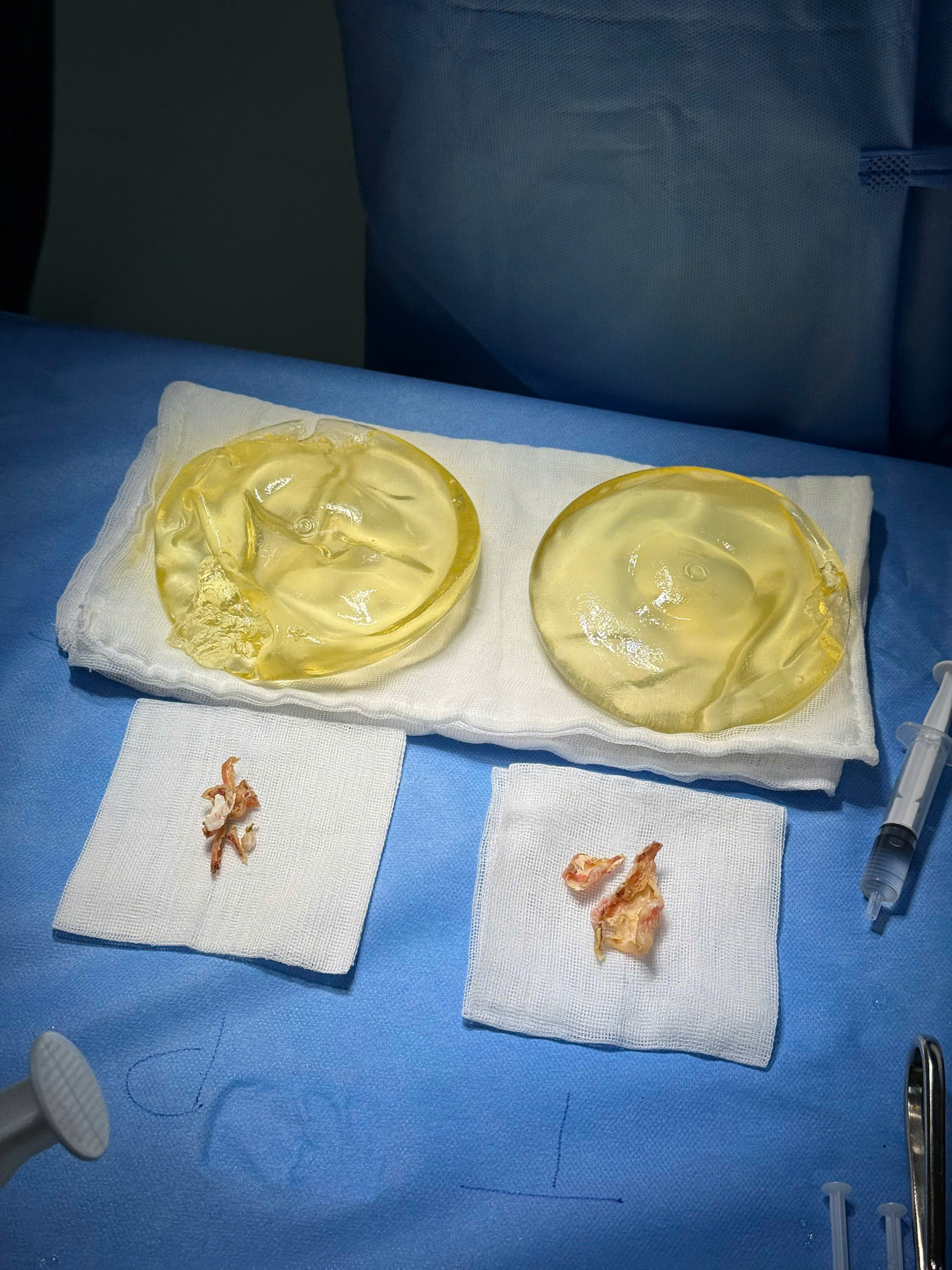
What the first days usually feel like
The most detailed figures come from Katsnelson and colleagues (2022), who reviewed 352 women having breast implant removal with capsulectomy at a US outpatient centre, all with an ultrasound-guided nerve block. On the first day after surgery, 228 of them were reached by phone and rated their pain:
| Pain on day 1 after removal with capsulectomy | Share of 228 patients |
|---|---|
| None (0) | 11.4% |
| Minimal (1–2 out of 10) | 21.1% |
| Mild (3–5) | 36.8% |
| Moderate (6–8) | 28.5% |
| Severe (9–10) | 2.2% |
About seven in ten women rated their pain as mild or lower, and about 1 in 45 as severe. In the recovery unit, 27.8% needed an opioid painkiller. The study only included operations with capsulectomy, so it describes the more extensive end of explant surgery.
The authors point out that removing the back wall of the capsule can mean dissection along the chest wall and the intercostal muscles between the ribs, and that this should be part of the conversation before surgery. It explains why, in our article on en bloc, total and partial capsulectomy, expected soreness rises from partial to total capsule removal.
Why some explants hurt more than others
- Extent of capsule removal. Leaving the capsule or removing part of it creates a smaller raw surface than total or en bloc capsulectomy.
- Implant position. Implants placed under the muscle (partial subpectoral) involve the pectoral muscle; implants above it do not.
- A combined lift. A lift adds incisions on the breast skin and lengthens recovery, as described in our article on breast implant removal and breast lift.
- The reason for removal. A hard grade IV capsule, a ruptured implant or an old haematoma usually means more surgery than removing a soft implant.
Rib pain and chest wall pain after explant
An ache over the ribs under the breast is one of the most searched symptoms after explant. When the capsule is stuck firmly to the ribs, freeing it involves the tissue layer over the ribs and the muscles between them, which can leave a deep, bruised ache that is worse on twisting, coughing or lying on the side.
One complication can feel similar. Rarely, removing a capsule close to the chest wall breaches the lining around the lung, letting air collect (a pneumothorax). Nicolaidis and colleagues (2026) recorded 12 such pleural punctures in 1,000 explantations with capsulectomy, 1.2% per breast, none of which led to a significant pneumothorax. Sharp chest pain when breathing in, or breathlessness, should be reported promptly rather than treated as rib soreness. Our review of complication rates after breast implant removal sets this risk alongside the others.
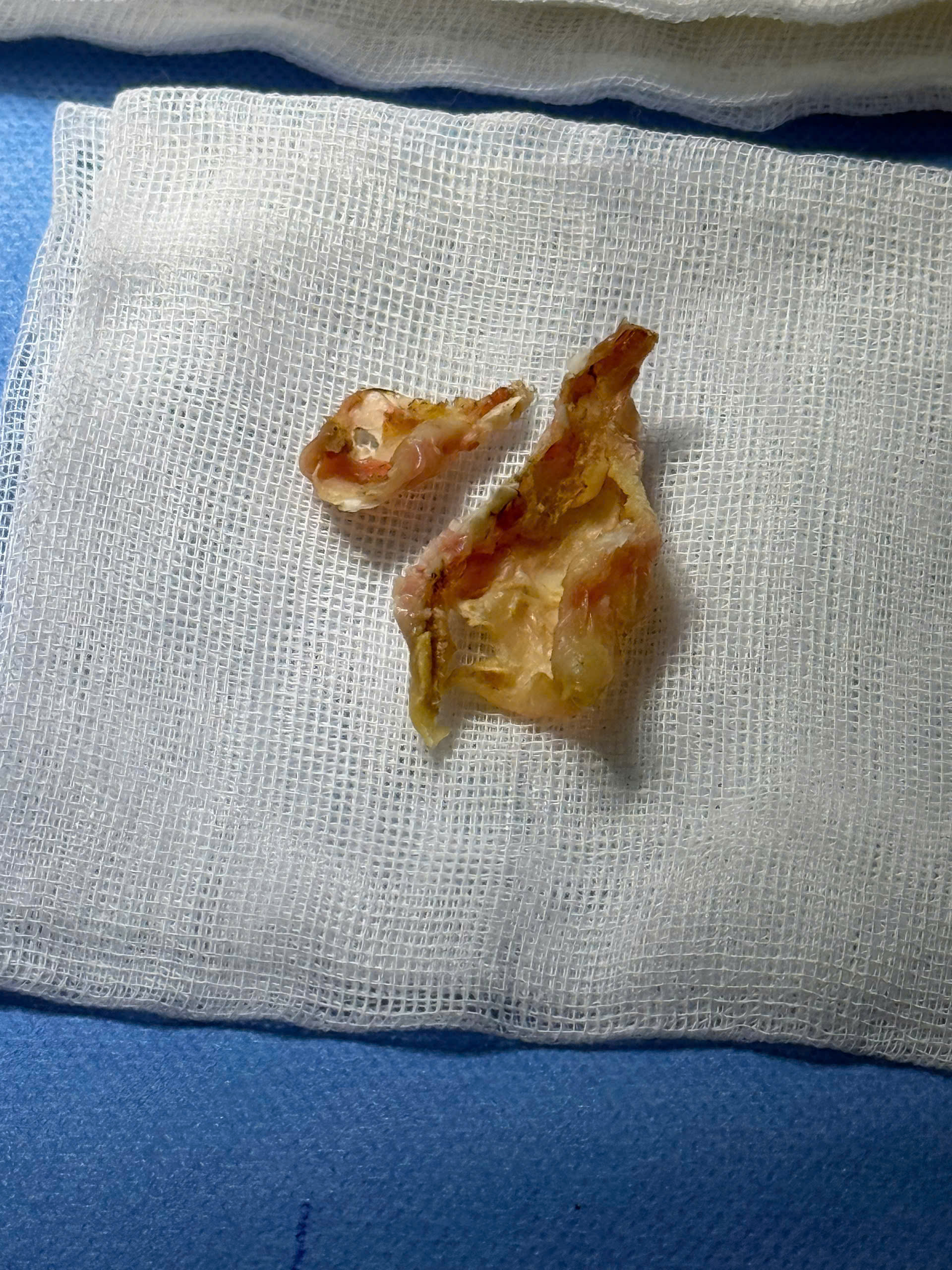
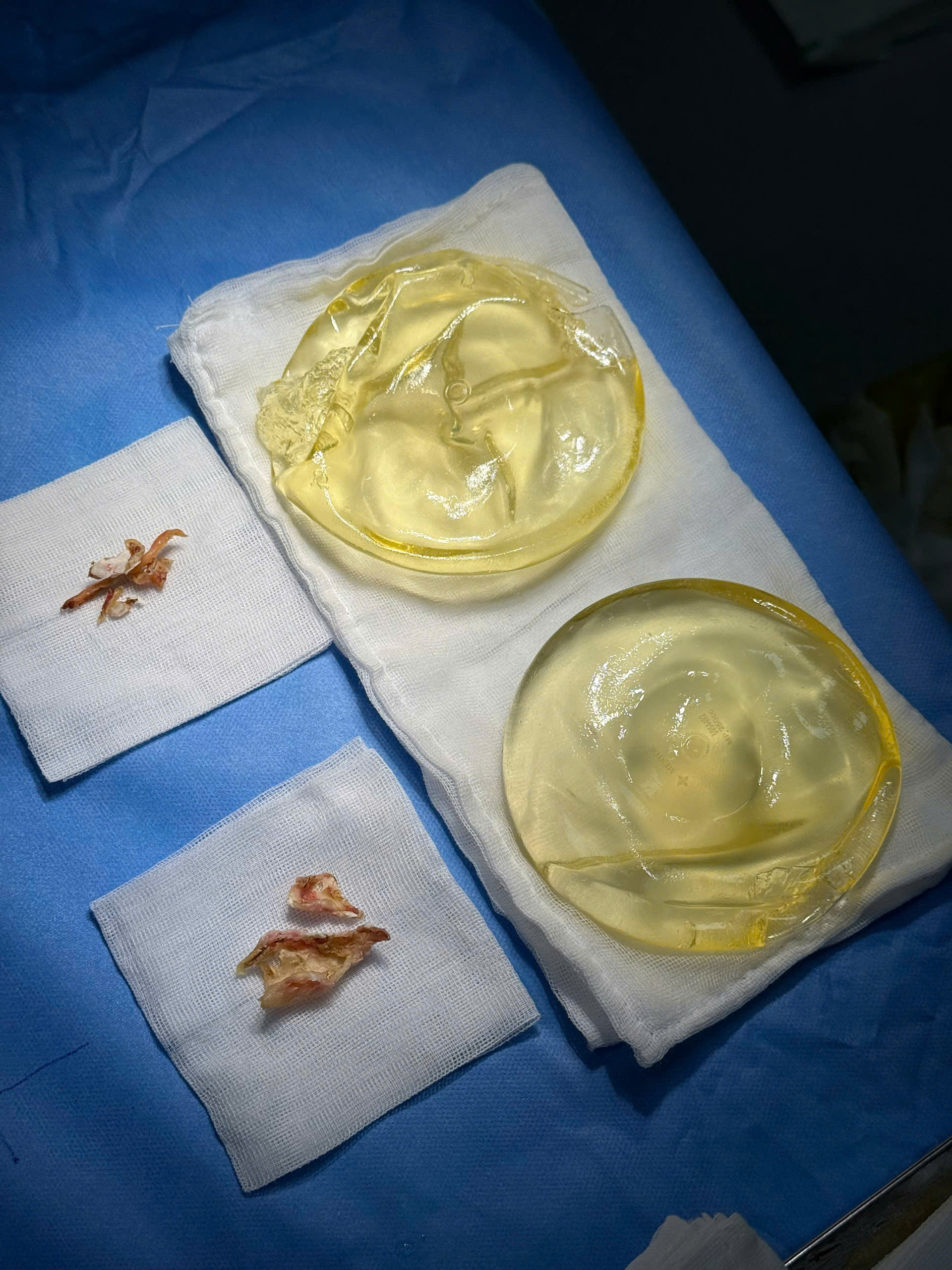
Nerve pain, burning and nipple pain
The skin of the breast and the nipple are supplied by small branches of the intercostal nerves. Stretching or cutting these branches, first during augmentation and again during removal, can leave patches of numbness, burning or brief electric-shock sensations.
Much of the evidence comes from augmentation rather than removal. In a 2011 Danish survey by von Sperling and colleagues, 95 women answered questions an average of 31.8 months after cosmetic augmentation: 75.8% had sensory changes over the breast, 44.2% reported pain from the operation and 9.5% had moderate to severe pain. Women with reduced sensation were 4.6 times more likely to have pain, and 38% used descriptions that met the cut-off of a questionnaire for nerve-related (neuropathic) pain.
For explant surgery, The Aesthetic Society states that numbness or tingling around the incision should decrease over the following weeks or months. Nipple soreness or sensitivity to clothing is common early on; a nipple that becomes dark, cold or blistered is not, and needs to be seen.
Back and shoulder pain
Back and upper shoulder aches after explant are usually muscular: sleeping propped up on the back for several nights, keeping the arms close to the body and holding the shoulders tense all strain the neck and upper back. Gentle walking, changing position and a supportive pillow tend to help. We found no study that measures back pain after explant specifically. Back pain with fever, or pain between the shoulder blades with breathlessness, is a different matter and should be reported.
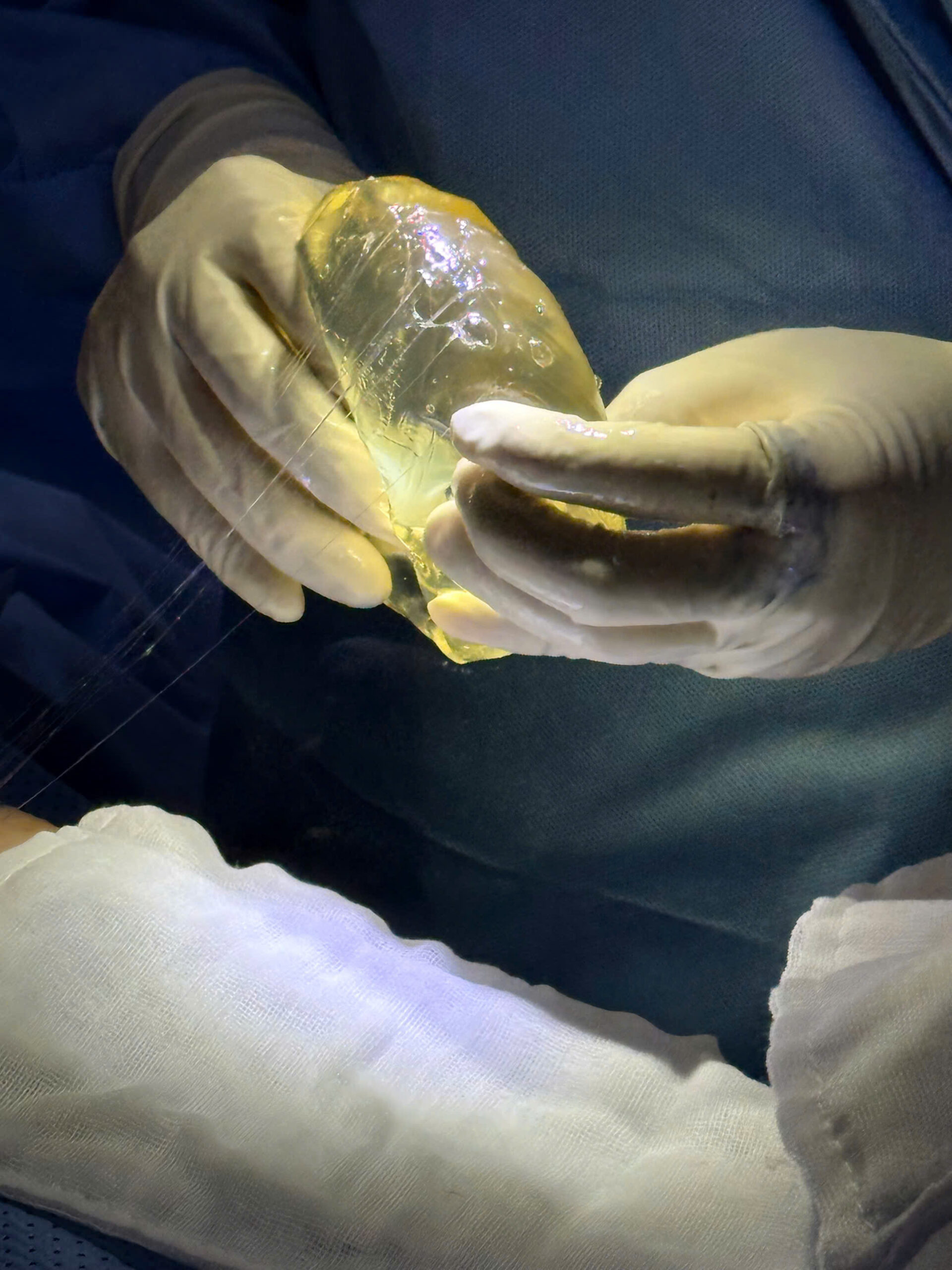
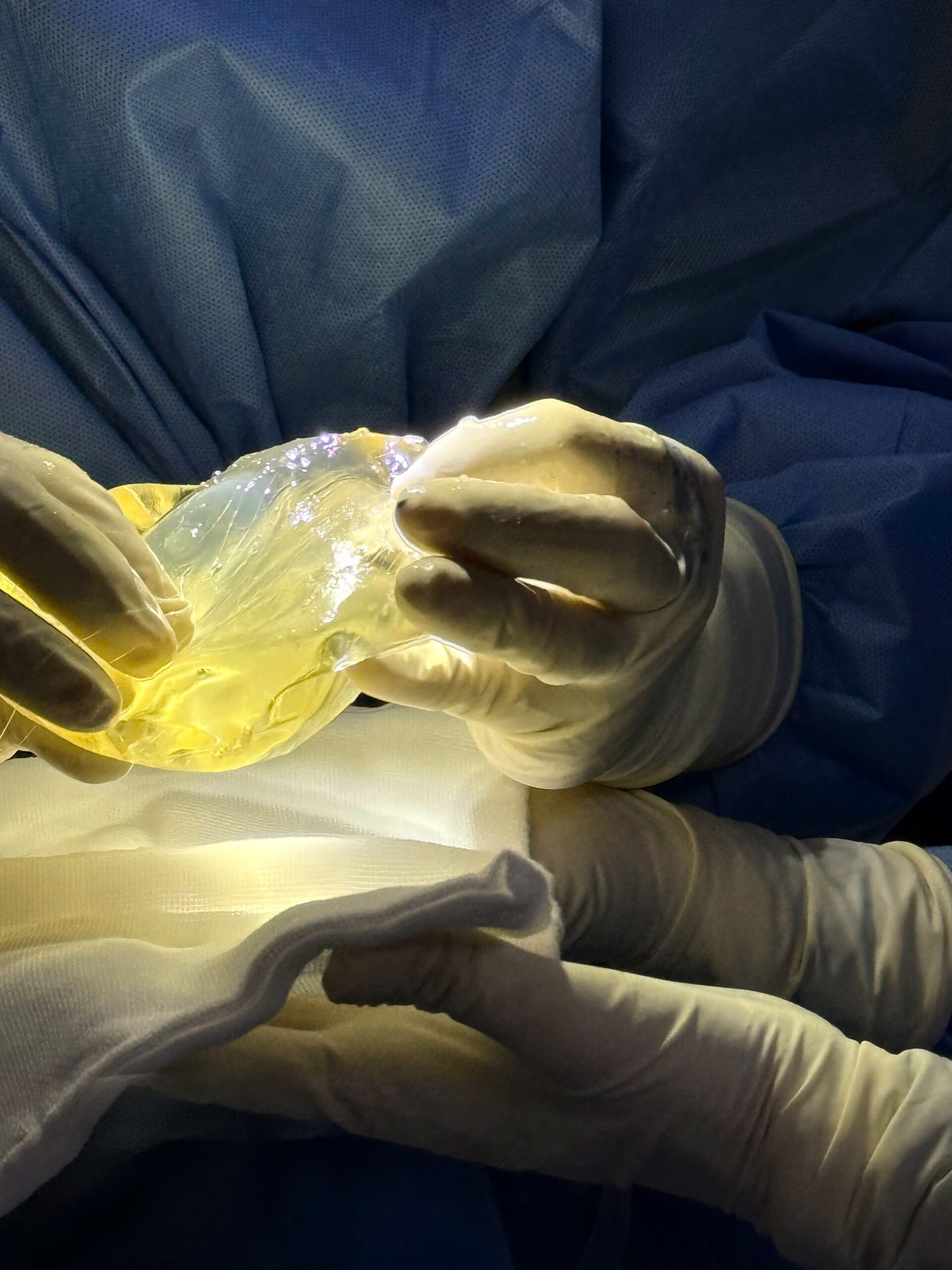
A tight, tender cord under the breast: Mondor’s disease
Some women notice a thin, tender cord running down from the breast towards the abdomen in the weeks after surgery, sometimes more visible when the arm is raised. This is usually Mondor’s disease, an inflammation with clotting in a superficial vein just under the skin.
A 2009 review by Khan in Aesthetic Surgery Journal cites an incidence of 1.07% after aesthetic breast surgery. In a 2022 series of 20 patients by Ito and colleagues, about three in four lesions resolved within 4 weeks without treatment. It is not a deep vein clot, but it should still be examined to confirm the diagnosis.
When pain lasts beyond three months
The International Association for the Study of Pain (IASP) defines chronic postsurgical pain as pain that develops or increases after surgery and persists beyond healing, for at least 3 months (Schug and colleagues, 2019). This is the point at which ongoing pain should be assessed in its own right, not simply waited out.
Good figures for long-term pain after explant are lacking; most data come from augmentation. In a 1996 survey of 282 women by Wallace and colleagues, 38% of women with cosmetic augmentation reported pain at least a year later, with more pain when the implant was under the muscle (50%) than above it (21%). Persistent pain after removal is assessed for its cause, such as a remaining capsule, a fluid collection, a nerve problem or the ribs, and managed according to what is found.
Can removing implants relieve pain?
For some women, pain is the reason for explant. In 841 consecutive patients reported by Hirsch (2026), breast pain was the main indication in 38 (4.5%), alongside capsular contracture, rupture and systemic symptoms.
Removal of a hard, painful capsule is expected to relieve the pain the capsule causes, as explained in our article on capsular contracture removal. Evidence for wider pain symptoms is weaker:
- Wee and colleagues (2020) surveyed 750 women having explant with total capsulectomy for presumed breast implant illness. Scores improved in all 11 symptom areas, including breast pain and joint or muscle pain, with greater improvement in women who had capsular contracture.
- Gigov and colleagues (2026) followed 50 women for a year after total capsulectomy; joint and muscle pain resolved in 19 of the 23 who reported it.
- A 2026 meta-analysis by Cuenca-Pardo and colleagues found that most women with breast implant illness improved only moderately rather than completely, and called the evidence highly variable.
None of these studies had a comparison group, so they cannot show that removal itself caused the improvement. Our article on breast implant illness and explant decisions covers that question in more detail.
How pain is managed around explant surgery
- Step 1 — Before surgery. The surgeon records current pain, its location and what makes it worse, so that pain caused by the implant can be told apart from pain after the operation.
- Step 2 — Anaesthesia and technique. The anaesthetic and the extent of dissection are planned. Elsewhere, nerve blocks are used; in the Katsnelson study, one block combination was linked to less opioid use.
- Step 3 — Day of surgery. Before discharge, the team checks that pain is controlled, explains what to take at home and gives a phone contact.
- Step 4 — First days. Rest with the upper body slightly raised, short walks, a supportive bra and avoiding heavy lifting help most women; a rise in pain is reported rather than tolerated.
- Step 5 — Review. At each check, pain is compared with the expected pattern; new or one-sided pain prompts examination of the breast and, if needed, an ultrasound.
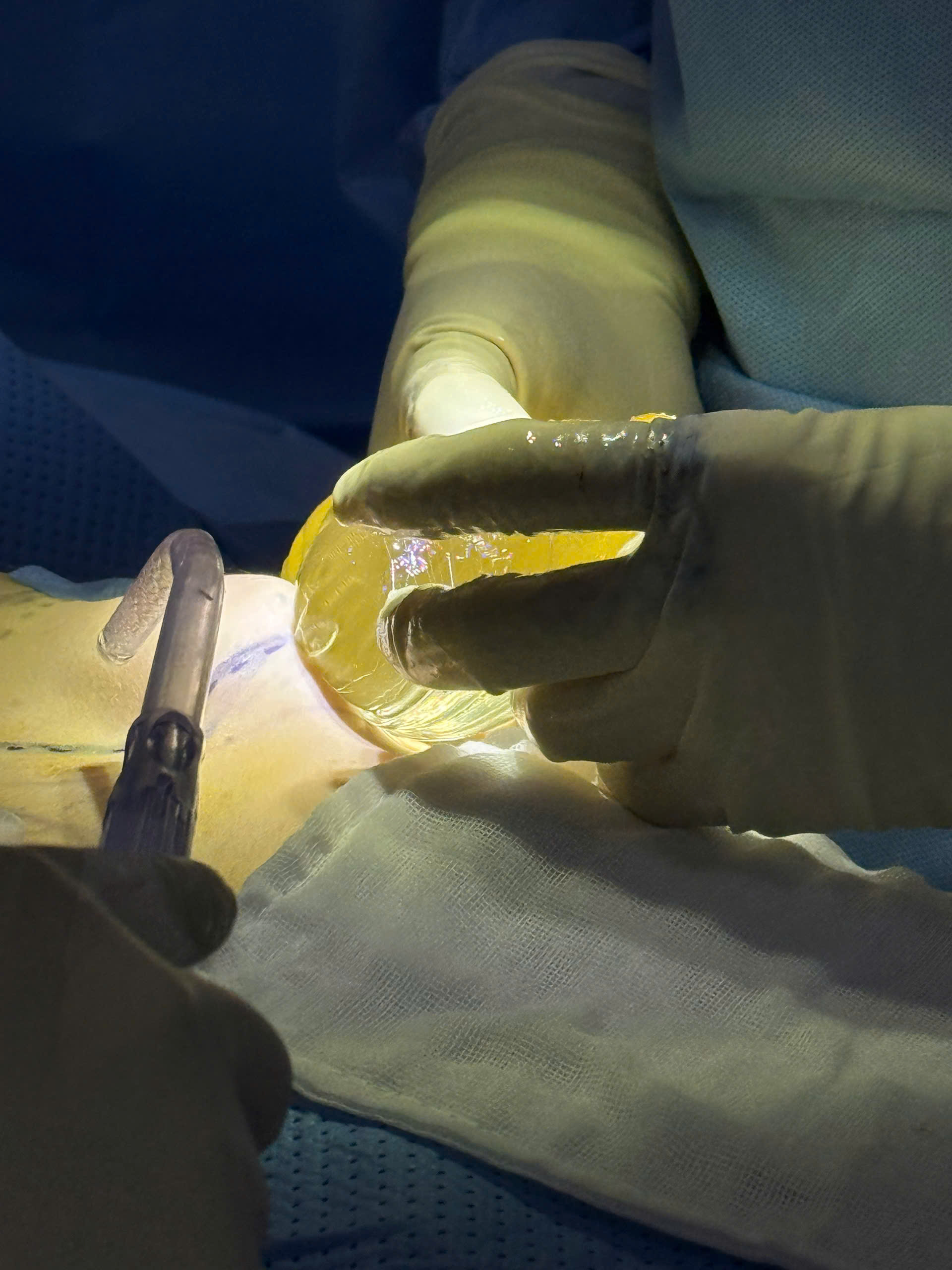
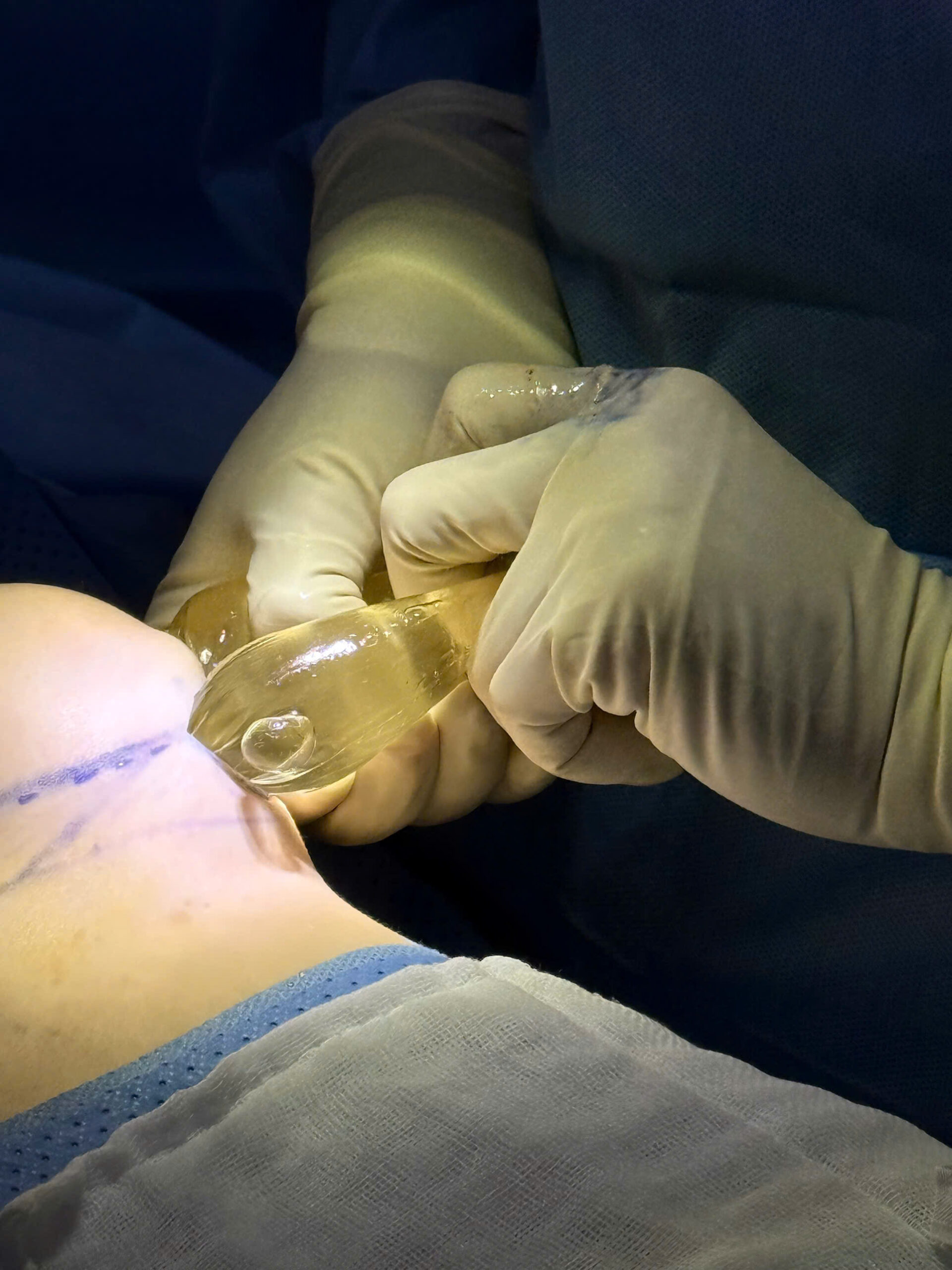
Warning signs: when pain is not normal
Contact the surgical team promptly for:
- pain that increases after the first two or three days instead of easing;
- one breast becoming rapidly larger, tense, bruised or very painful, which can mean bleeding;
- fever, spreading redness, warmth or discharge from the wound;
- sharp chest pain on breathing in, breathlessness or coughing up blood;
- pain, swelling or warmth in one calf.
The Aesthetic Society advises patients to contact their surgeon if pain is extreme or long-lasting. Chest pain with breathlessness is an emergency.
Pain and your stay in Vietnam
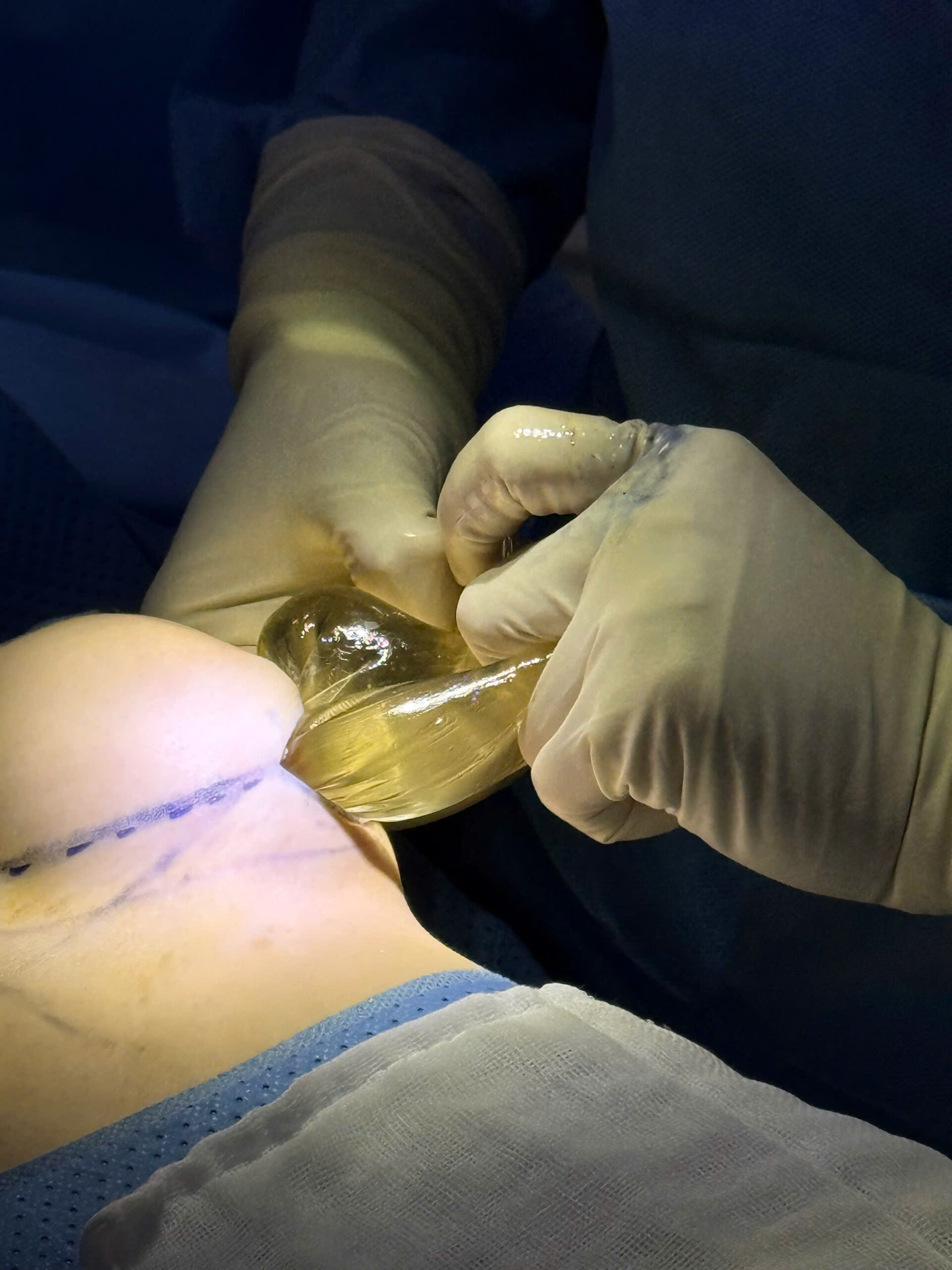
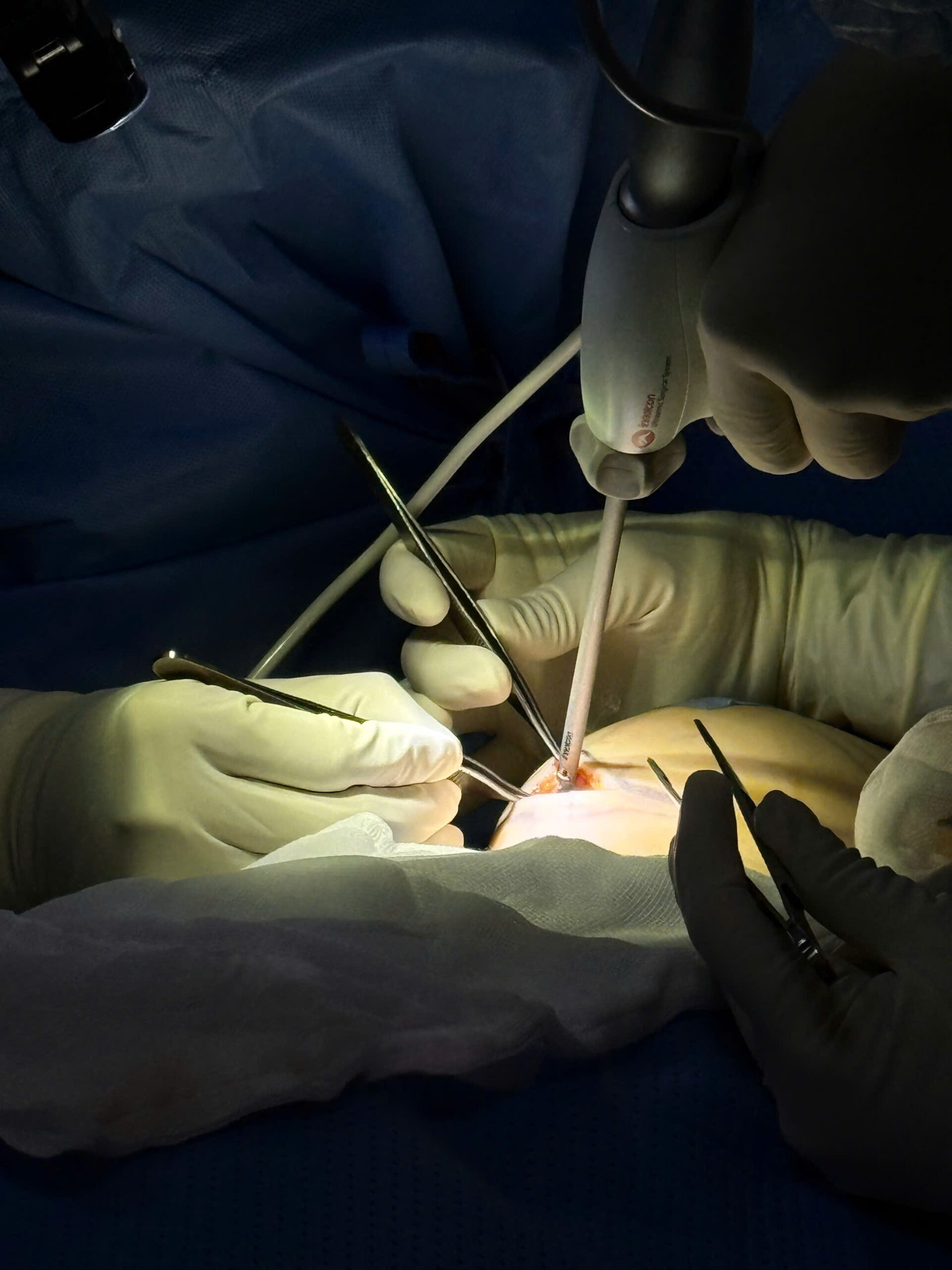
At Dr. Breast X, MSc, MD Ho Cao Vu performs breast implant removal at the Department of Surgery, Nam Sai Gon International General Hospital in Ho Chi Minh City, which has an intensive care unit. Surgery is performed under laryngeal mask airway (LMA) anaesthesia with an ultrasonic surgical scalpel, which divides tissue and seals small vessels in the same pass. In routine removal, with or without new implants, a drain is usually not needed and patients go home the same day; the clinic’s experience, described on our page on pain-free breast implant removal, is that most do not need painkillers after discharge.
Complex cases, such as total capsulectomy, grade IV contracture or rupture, take longer and can be more uncomfortable. For international patients, the usual planning figure is 5 to 7 days in Vietnam after routine removal, longer after an inverted-T lift, as set out in our guide to breast implant removal in Vietnam. Pain is reviewed before the flight date is confirmed.
Frequently asked questions
How long does pain last after breast implant removal? Soreness is usually greatest in the first 48 hours and decreases each day. Aching over the ribs after capsulectomy can last a few weeks. Pain persisting beyond 3 months meets the IASP definition of chronic postsurgical pain and should be assessed.
Is rib pain after explant normal? A bruised ache over the ribs is common after total or en bloc capsulectomy, because the capsule is freed from the chest wall. Sharp pain on breathing in or breathlessness is not typical and should be reported.
Why do I have burning or shooting pains in my breast? Small nerves to the skin and nipple are stretched or cut during implant surgery. Burning, tingling or brief shooting pains are common as they recover, and numbness usually decreases over weeks or months.
Is breast implant removal more painful than augmentation? The Aesthetic Society describes recovery after complete removal as usually brief with minimal discomfort, while exchanging implants feels similar to the original augmentation. Total capsulectomy or a combined lift adds more surgery and more soreness.
Conclusion
Pain after breast implant removal is usually moderate at most, worst in the first two days and easing steadily. Rib soreness after capsulectomy, nerve sensations and a tender cord under the breast are recognised and usually settle with time. Pain that is increasing, one-sided with swelling, or accompanied by fever or breathlessness needs prompt review. Pain lasting beyond three months should be assessed for its cause rather than accepted.
References
- Katsnelson JY, Goodman DA, Paterson CK, Buinewicz BR. Regional Pain Blocks and Perioperative Pain Control in Patients Undergoing Breast Implant Removal With Capsulectomy. Aesthetic Surgery Journal Open Forum 2022;4:ojac079 — https://doi.org/10.1093/asjof/ojac079
- Schug SA, Lavand’homme P, Barke A, Korwisi B, Rief W, Treede RD. The IASP classification of chronic pain for ICD-11: chronic postsurgical or posttraumatic pain. Pain 2019;160(1):45–52 — https://doi.org/10.1097/j.pain.0000000000001413
- The Aesthetic Society. Breast revision: aftercare and recovery (accessed October 2026) — https://www.theaestheticsociety.org/procedures/breast/breast-revision/aftercare-recovery
- von Sperling ML, Høimyr H, Finnerup K, Jensen TS, Finnerup NB. Persistent pain and sensory changes following cosmetic breast augmentation. European Journal of Pain 2011;15(3):328–332 — https://doi.org/10.1016/j.ejpain.2010.07.004
- Wallace MS, Wallace AM, Lee J, Dobke MK. Pain after breast surgery: a survey of 282 women. Pain 1996;66(2–3):195–205 — https://doi.org/10.1016/0304-3959(96)03064-3
- Nicolaidis SC, Boucher M, Lu M. Complications Following 500 Consecutive Explantations with Simultaneous Breast Lift. JPRAS Open 2026;50:102–104 — https://doi.org/10.1016/j.jpra.2026.04.002
- Khan UD. Mondor disease: a case report and review of the literature. Aesthetic Surgery Journal 2009;29(3):209–212 — https://doi.org/10.1016/j.asj.2009.01.019
- Ito H, Ogawa Y, Shimojo N, Kawano S. Assessment of clinical conditions associated with Mondor disease. Breast Disease 2022;41(1):273–278 — https://doi.org/10.3233/bd-210056
- Hirsch EM. Outcomes of Mastopexy Explantation: A Consecutive Series of 841 Patients. Aesthetic Surgery Journal Open Forum 2026;8:ojag056 — https://doi.org/10.1093/asjof/ojag056
- Wee CE, Younis J, Isbester K, et al. Understanding Breast Implant Illness, Before and After Explantation: A Patient-Reported Outcomes Study. Annals of Plastic Surgery 2020;85(S1):S82–S86 — https://doi.org/10.1097/sap.0000000000002446
- Gigov K, Ginev I, Kavradzhieva P, Miteva M. Patient-Reported Symptom Changes Following Breast Implant Explantation with Total Capsulectomy: A Prospective Case Series of 50 Patients. Healthcare 2026;14(16):2603 — https://doi.org/10.3390/healthcare14162603
- Cuenca-Pardo J, Ramos-Gallardo GO, Lira-Álvarez M, et al. Breast implant explantation and capsulectomy in symptomatic patients. Is there any improvement with the procedure? Systematic review and meta-analysis. JPRAS Open 2026;50:152–164 — https://doi.org/10.1016/j.jpra.2026.03.028


