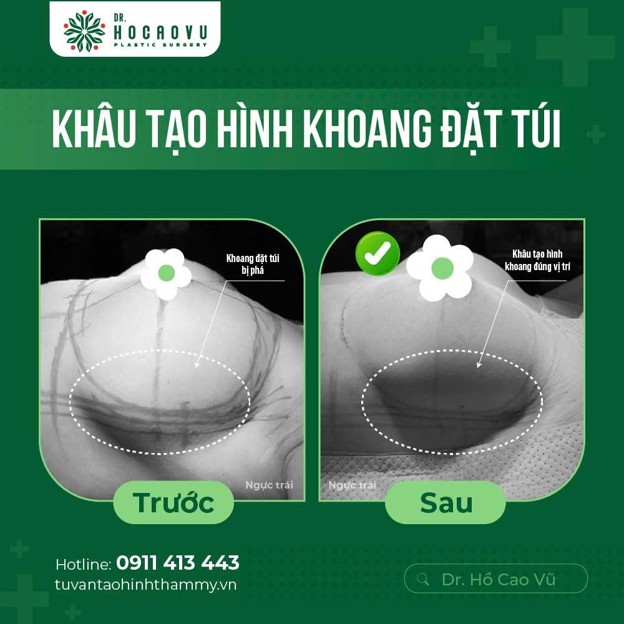
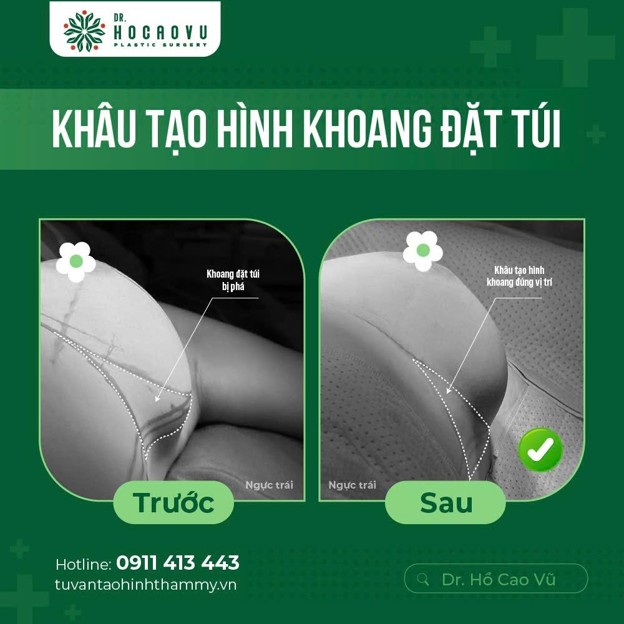
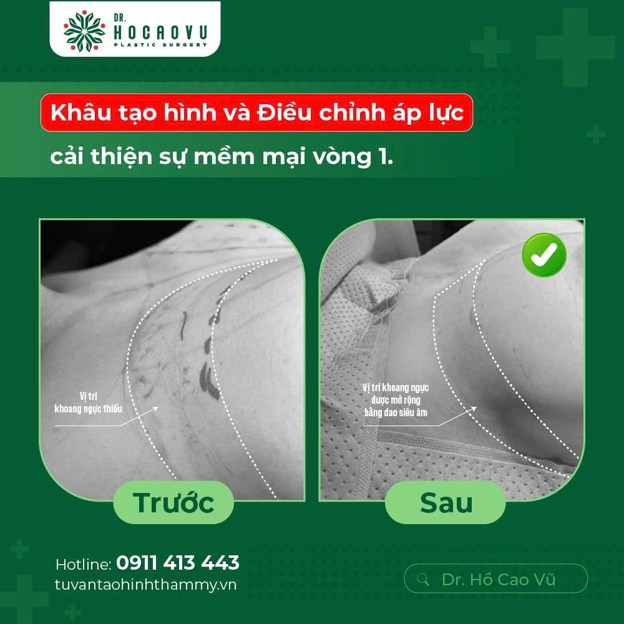
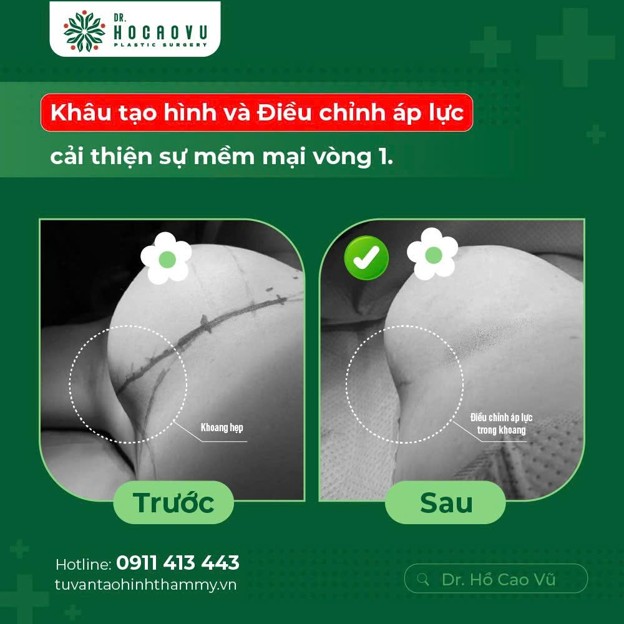
Correction of implant bottoming out, lateral displacement, insufficient implant pocket formation (pseudocapsule), and breast implants positioned incorrectly. An ultrasonic scalpel is used for dissection and capsulorrhaphy to create an implant pocket suitable for the existing breast implant, allowing the patient to avoid breast implant replacement and thereby reduce surgical costs.
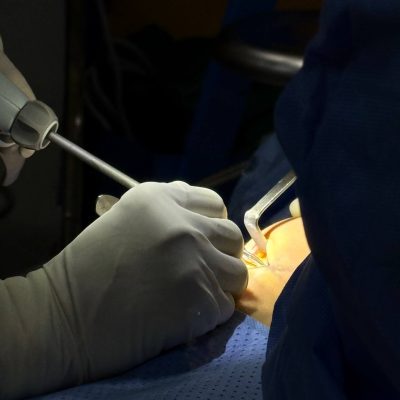
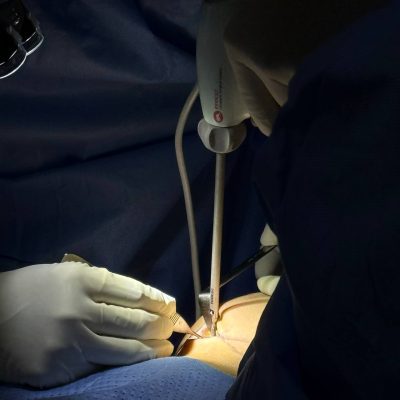
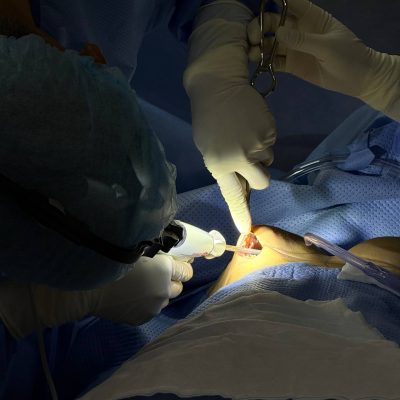
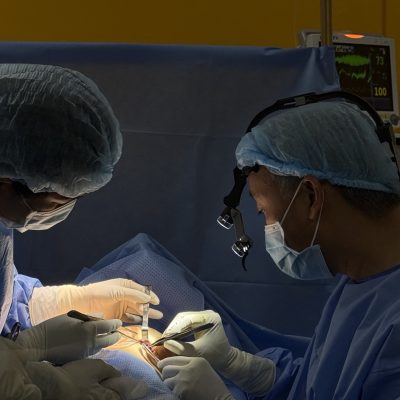
Correction of breast implant complications (implant bottoming out, lateral displacement, and implant pocket malposition) using a new-generation ultrasonic scalpel
For breast implant complications such as implant bottoming out, lateral displacement of the implant toward the axilla, or an insufficient implant pocket, the application of a new-generation ultrasonic scalpel provides outstanding advantages throughout the dissection process. The scalpel helps the doctor dissect, reconstruct, and revise the shape of the implant pocket with absolute precision, combined with the capsulorrhaphy technique to correct the breast shape and restore balance while retaining the existing breast implant. As a result, patients can minimize the cost of replacing them with new implants.
Capsulorrhaphy of the implant pocket in cases of implant bottoming out and lateral displacement
The implant pocket correction surgery uses a new-generation ultrasonic scalpel (Ultrasonic Surgical Scalpel), perfectly combined with the modern laryngeal mask airway anesthesia method to optimize the procedure and minimize the surgical time. The procedure is performed quickly and gently, helping protect the patient’s physical condition at the best possible level: absolute bleeding control, without causing fatigue or loss of strength. Only 4–6 hours after surgery, the patient is fully alert, has recovered physically, is eligible for safe discharge, and can return to normal daily activities on the same day.
Dr. Ho Cao Vu uses an ultrasonic scalpel to adjust the implant pocket in cases of an insufficient pocket
Dr. Ho Cao Vu shared: “The new-generation Ultrasonic Surgical Scalpel operates through a sealing, coagulation, and cutting mechanism, creating a secure seal that helps control bleeding and effectively prevent fluid secretion during surgery. It creates a dry breast pocket, allowing the surgeon to perform implant placement more easily without the need for drainage. In addition, thanks to its intelligent ability to control the level of heat release, the ultrasonic scalpel does not cause tissue damage or thermal burns.”