Breast Implant Removal (Explant Surgery): A Complete Guide
Reviewed by Dr Ho Cao Vu — License No. 028475/BYT-CCHN. Last updated: September 2026.
Breast Implant Removal (Explant Surgery): A Complete Guide
Breast implant removal, also called explant surgery or explantation, is an operation to take out one or both breast implants, and where indicated the fibrous capsule of scar tissue that the body forms around each implant. This guide is written for women who are considering removal and want to understand what the operation involves, why it may be recommended, and how the different options compare before they commit to a decision. It explains the reasons for removal, the surgical choices, how the breast is assessed beforehand, what recovery generally involves, and the risks to weigh in balance.
At Dr Breast X, the consultation and pre-operative assessment come first, because the right approach depends on the individual patient rather than on a single standard technique. The surgery itself is performed by Dr Ho Cao Vu, a Plastic, Reconstructive and Aesthetic Surgeon with more than 15 years of experience in aesthetic plastic surgery and more than 20 years in general surgery, currently practising at Nam Sai Gon International Hospital. Understanding the options in advance helps a consultation move faster and lets you ask more precise questions.
What is breast implant removal (explant surgery)?
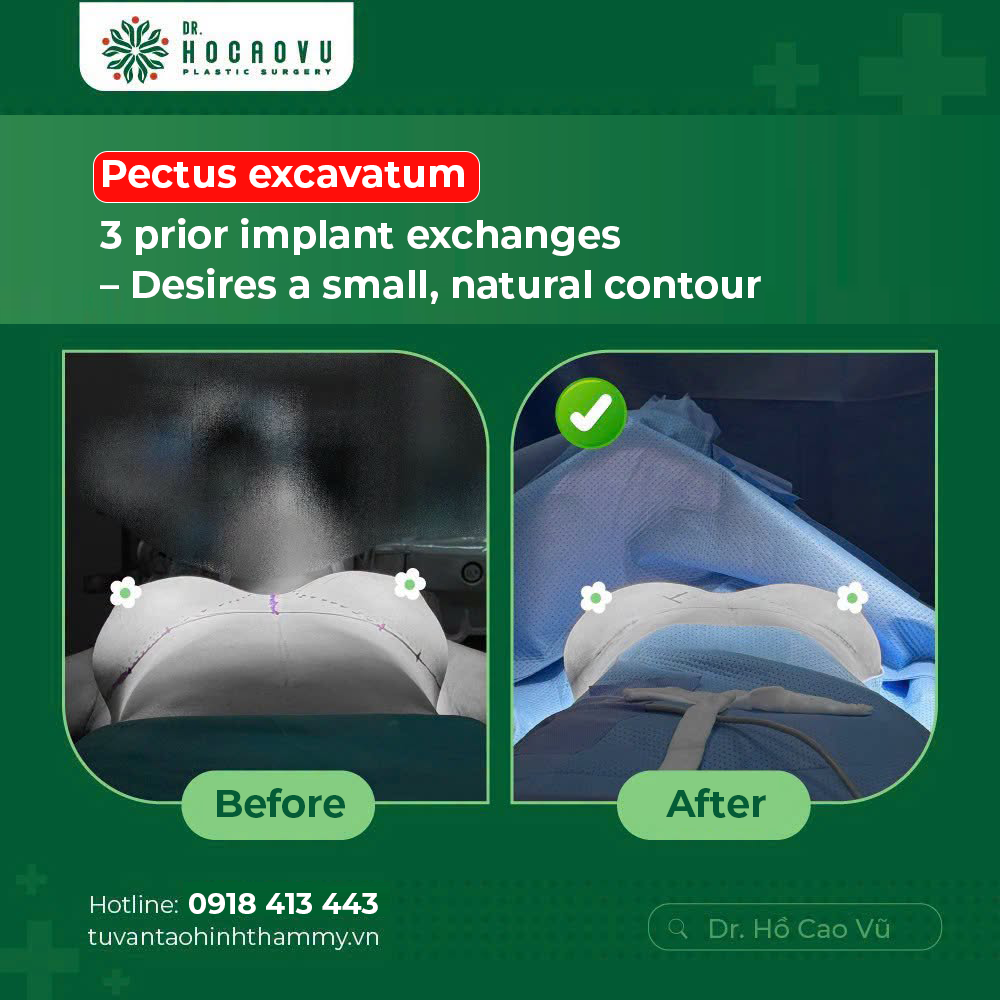
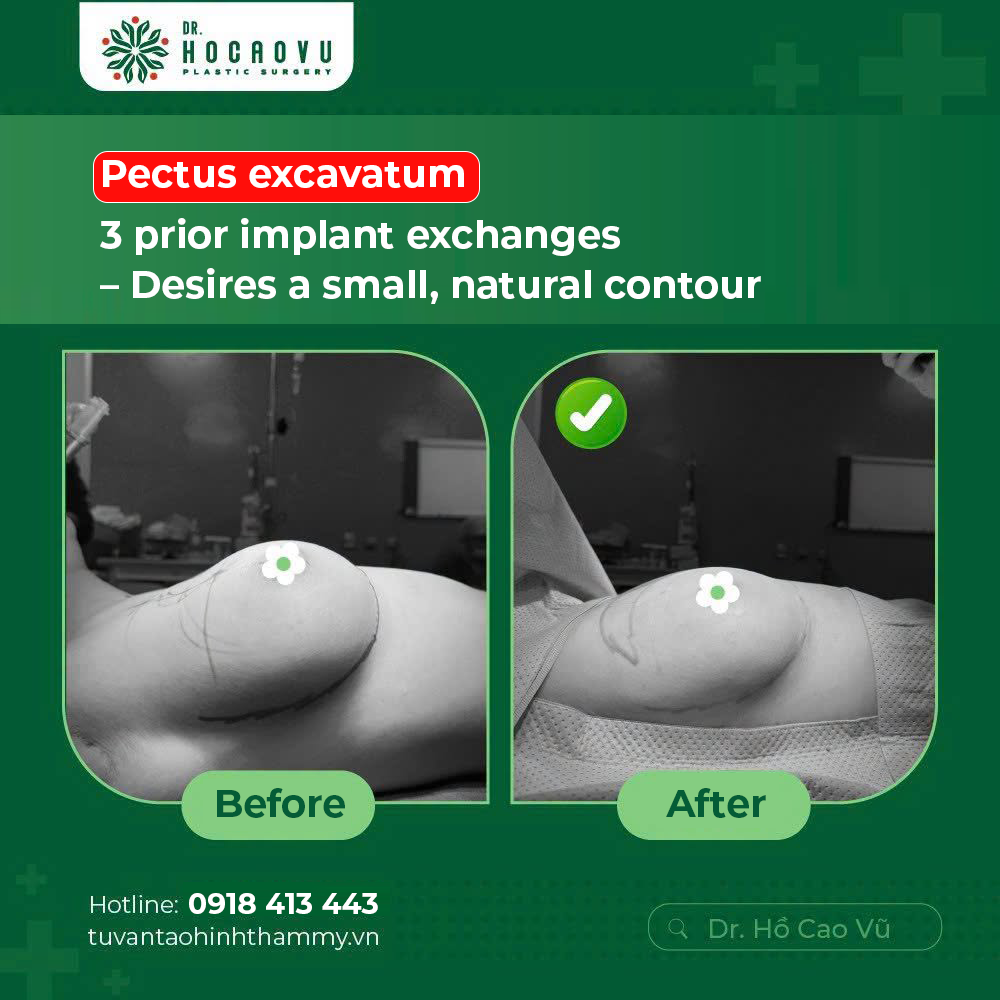
Breast implant removal is a surgical procedure that takes out a previously placed breast implant, and it may or may not include removing the surrounding fibrous capsule. The fibrous capsule is a layer of scar tissue that forms naturally around every implant; it is not breast (glandular) tissue, and how much of it is removed is a separate decision from removing the implant itself. According to the American Society of Plastic Surgeons, the goal of the operation is to remove the implants and, when appropriate, the scar tissue that formed around them (ASPS, 2025).
Removal is distinct from implant replacement or exchange, in which the old implant is taken out and a new one is placed in the same operation. It is also distinct from a breast lift, or mastopexy, which reshapes the breast and repositions the nipple. These procedures can be combined, but each addresses a different concern, so it helps to separate them clearly when planning treatment.
The operation applies to both types of device, though the picture differs between them. Silicone gel-filled breast implants hold a cohesive gel, so a rupture may stay contained within the fibrous capsule and go unnoticed. Saline implants are filled with sterile salt water, so a leak tends to show as visible deflation. This difference affects how a suspected problem is investigated and how quickly a woman may notice that something has changed, which is one reason imaging plays a larger role with silicone devices.
Why do women choose to have breast implants removed?
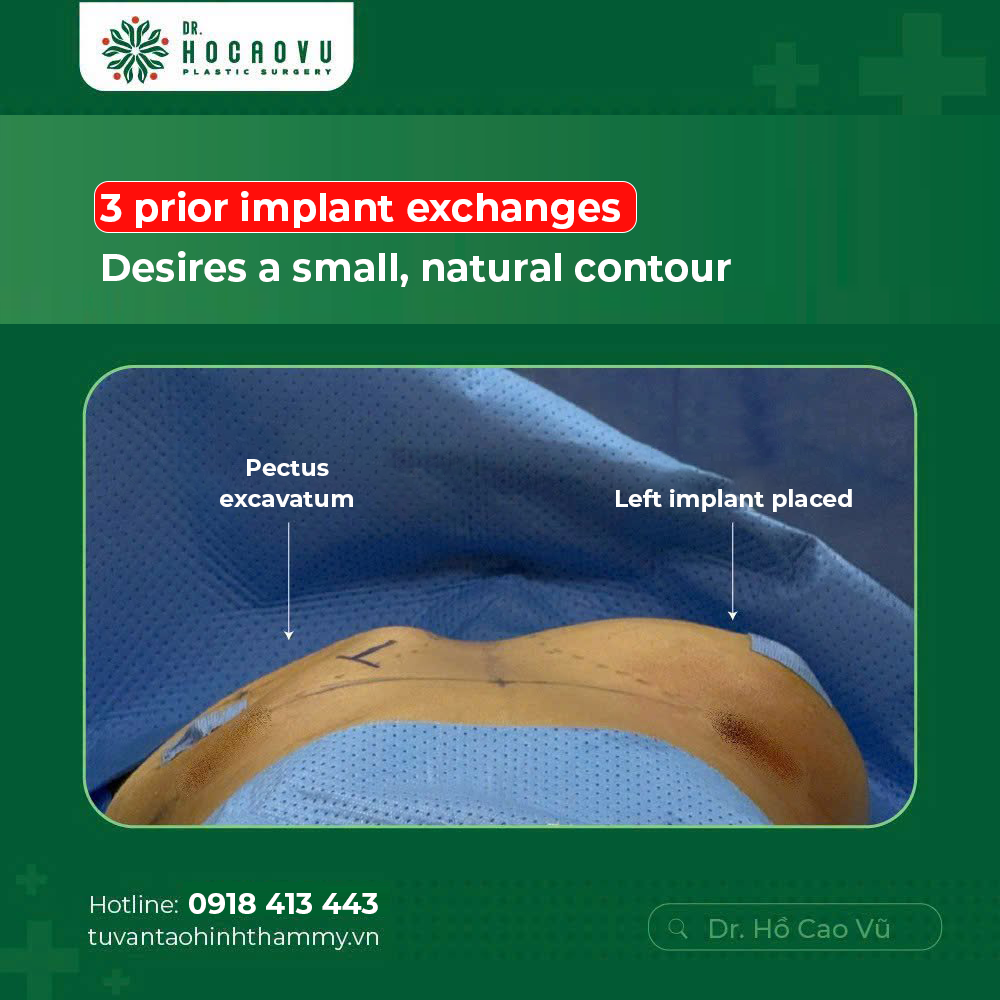
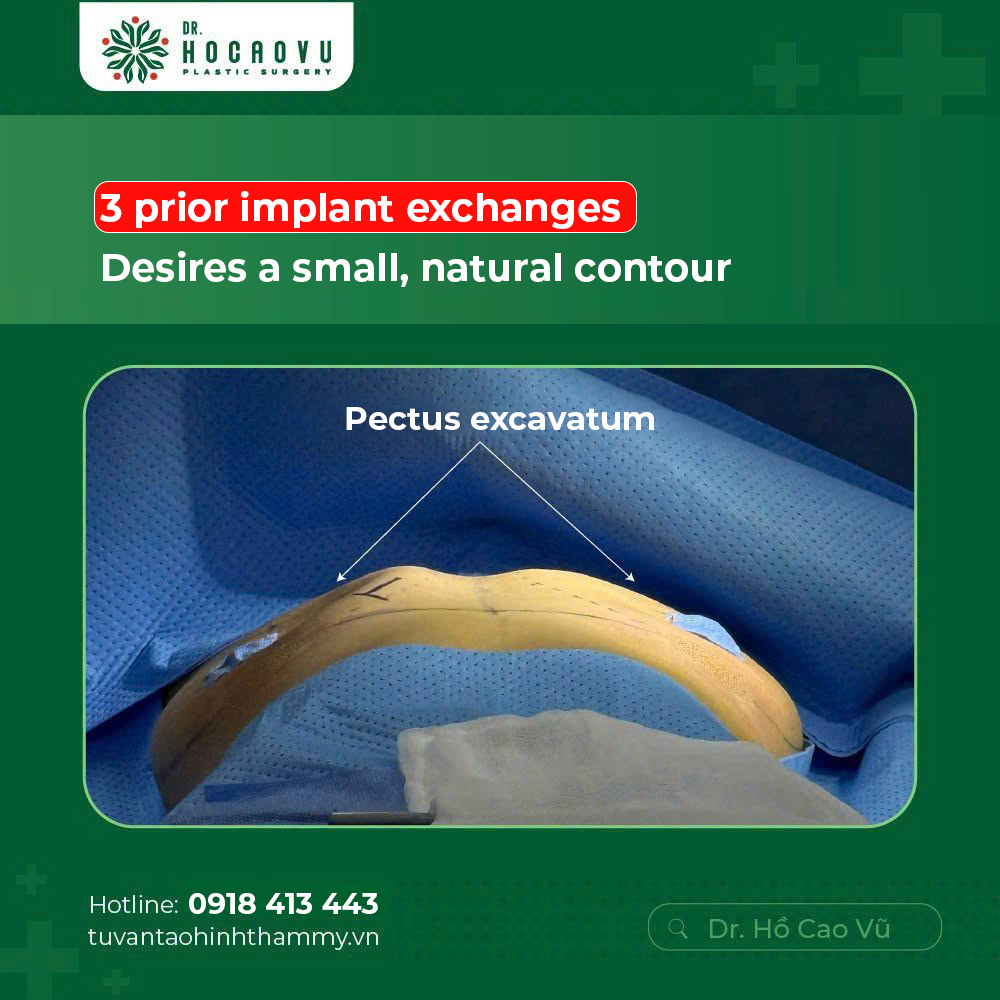
Women choose explant surgery for a range of reasons, and more than one may apply at once. Breast implants are not lifetime devices, and the likelihood of removal or further surgery increases the longer an implant remains in place (FDA, 2025). The most common reasons include the following.
- Implant rupture. The implant shell can develop a tear or hole. With silicone gel-filled breast implants, a rupture is often silent, meaning it may not change how the breast looks or feels. Data from FDA post-approval studies indicated that around 1.0% of women had a rupture by three years after implantation, and the risk rises with implant age (FDA, 2025). A ruptured saline implant tends to deflate visibly and is easier to notice.
- Capsular contracture. The fibrous capsule can tighten and thicken, which may cause firmness, distortion or discomfort. Contracture is described using the Baker grading scale, and higher grades are a frequent reason to consider removal (Capsular contracture review, PMC, 2024).
- Systemic symptoms attributed to implants, sometimes called breast implant illness (BII). Some women report symptoms such as fatigue, joint or muscle pain and difficulty concentrating, which they associate with their implants. BII is not currently a formal medical diagnosis, and the relationship between these symptoms and the implants is not established (FDA, 2025).
- Downsizing or a change in preference. Some women want smaller implants or wish to return to a more natural breast size, whether for comfort, lifestyle or personal preference.
- Personal choice and ageing implants. A woman may simply decide she no longer wishes to keep her implants, or may act on the general understanding that implants may need attention over time.
Because these reasons differ so much in urgency and in what the operation needs to achieve, an individual assessment is used to match the reason for removal to a suitable plan.
What are the options during explant surgery?
There are four broad options during explant surgery, and the choice depends on the reason for removal, the condition of the breast tissue and the patient’s own goals. These options are not ranked; each suits a different situation, and they may sometimes be combined.
| Option | What it involves | Often considered when |
|---|---|---|
| Removal only (explantation without replacement) | The implant is removed and no new implant is placed. The breast settles into a softer, generally smaller shape over time. | The patient wants to return to a natural size, or does not wish to keep implants. |
| Removal with replacement or exchange | The old implant is removed and a new implant is placed in the same operation. | The patient wishes to keep implants but change the size, type or an ageing device. |
| Removal with a breast lift (mastopexy) | The implant is removed and the breast is reshaped, with the nipple repositioned, to address skin laxity or sagging (breast ptosis). | The skin has stretched and the breast may sag once the implant volume is gone. |
| Removal with aesthetic flat closure | The implant and, where indicated, the capsule are removed and the remaining skin is contoured to a smooth, flat chest wall. | The patient does not want implants and prefers a flat result rather than a lift. |
Whether the breast will sag after removal depends on factors such as skin elasticity, implant size and how long the implant was in place, so the question of adding a lift is discussed individually. This is covered in more detail in the companion article on breast implant removal and breast lift, and the option of removal without a new implant is discussed in breast implant removal without replacement.
What is the difference between partial, total and en bloc capsulectomy?

The terms describe how much of the fibrous capsule is removed, and they are not interchangeable. In some explant operations the capsule is left in place; in others part or all of it is taken out. Choosing between these approaches is a clinical decision made after assessment, not a fixed rule for every case.
- Partial capsulectomy. Only a portion of the fibrous capsule is removed, often the part that is thickened or abnormal.
- Total capsulectomy. The whole capsule is removed, but not necessarily in one piece.
- Total intact capsulectomy. The entire capsule is removed in one piece without opening it, which can be relevant when a rupture is present and the surgeon aims to contain silicone gel.
- En bloc capsulectomy. The implant and the surrounding capsule are removed together as a single unit, along with a margin of adjacent tissue.
En bloc capsulectomy is a more extensive operation, and it is indicated for confirmed or suspected implant-associated cancer rather than for simple silicone rupture. Reviews indexed in PubMed note that the scientifically established indication for en bloc resection is the treatment of breast implant-associated anaplastic large cell lymphoma, or BIA-ALCL, and other malignancy of the capsule (En bloc total capsulectomy study, PubMed, 2022). One study evaluating textured implant replacement found that routine capsulectomy is not required in every case and should be guided by the clinical picture (Capsulectomy necessity study, PubMed, 2020). The distinctions between these techniques, and when each may be considered, are explored in the dedicated article on en bloc, total and partial capsulectomy.
“Given that the occurrence of BIA-ALCL is uncommon, prophylactic removal of textured implants is not recommended in asymptomatic patients.”
Source: U.S. Food and Drug Administration (FDA), 2025. BIA-ALCL is a lymphoma of the immune system that can develop in the capsule around an implant; it is not a cancer of the breast (glandular) tissue.
How is the breast assessed before explant surgery?
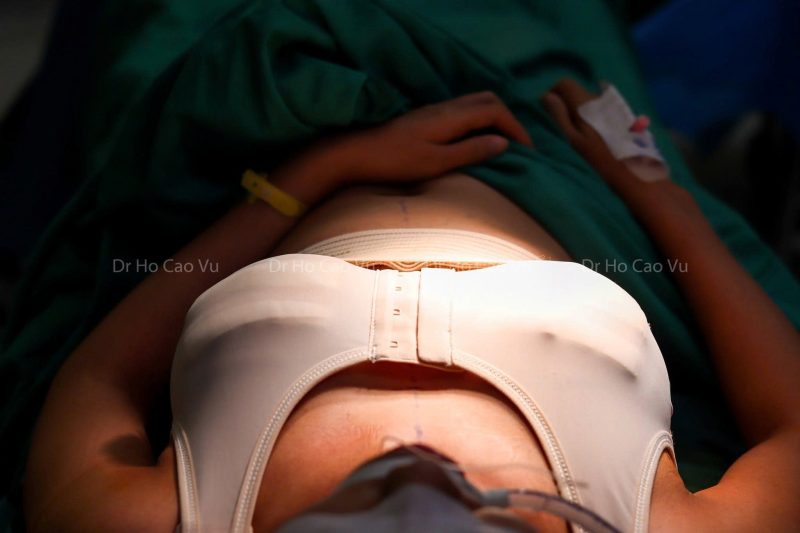
Before explant surgery, the breast is assessed through a clinical examination and, in many cases, imaging, so that the surgeon can plan the operation and discuss realistic options. The assessment looks at the condition of the implant, whether a rupture or contracture is present, and the quality of the overlying skin and soft tissue.
The clinical examination records the size, shape and symmetry of the breasts, the position of the nipple, the firmness of the capsule and the quality and elasticity of the skin. These findings help the surgeon judge whether a lift may be useful at the same time and how the breast is likely to settle after the implant is removed. The examination is combined with the woman’s history, including how long the implant has been in place, the type of device and any symptoms, so that the plan reflects her particular situation.
Imaging is used to check for silent rupture and other changes that a physical examination alone may miss. The FDA recommends screening for silent rupture of silicone gel-filled implants with ultrasound or MRI, with the first scan at 5 to 6 years after surgery and then every 2 to 3 years thereafter (FDA, 2025). MRI is regarded as the most sensitive method for detecting silent rupture, while ultrasound is an accepted alternative for screening. These recommendations come from a United States agency and may differ from guidance issued elsewhere, such as by the NHS and NICE in the United Kingdom.
| Imaging point | What the FDA recommends |
|---|---|
| First screening scan | Ultrasound or MRI at 5 to 6 years after implant surgery |
| Repeat screening | Every 2 to 3 years thereafter, for the life of the implant |
| If symptoms or unclear ultrasound | MRI may be used for further assessment |
Screening imaging has limits, and adherence in practice is often low. One surveillance study reported that MRI detected suspected rupture in about 59% of screened cases, while only around 20% of patients attended screening within the recommended window (MRI surveillance study, PMC, 2023). A normal scan reflects the breast only at the time of the examination, so findings are interpreted alongside symptoms and clinical history. It is worth noting the difference between a radiographer, who carries out the scan, and a radiologist, who is the doctor that reports the images; both contribute to the assessment in different roles.
What does recovery after breast implant removal involve?
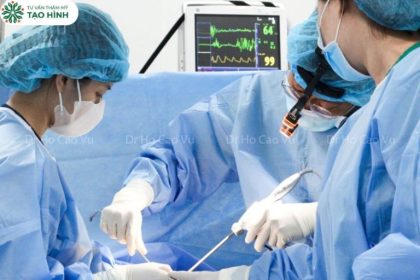
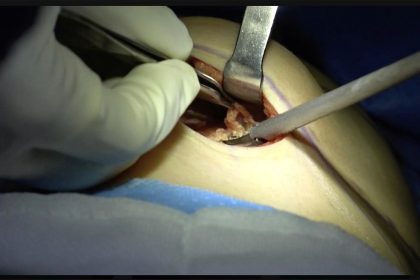
In breast implant removal procedures utilizing a new-generation ultrasonic surgical scalpel performed by MSc. MD. Ho Cao Vu, patients are discharged after 4 hours without surgical drains and require no postoperative analgesics or antibiotics, except in explantation cases presenting with abnormalities such as grade 4 capsular contracture or prolonged hematoma within the implant pocket. Postoperatively, patients can mobilize, perform light office work, and engage in normal shopping activities.
Following routine breast implant explantation, the surgical incision is dressed, and a support bra or postoperative compression bra may be utilized to minimize swelling. Thin drainage tubes are sometimes placed under the skin to remove excess fluid, and these are taken out once output falls to a suitable level (ASPS recovery guidance, 2025). Patients receive specific instructions on wound care, on medication to reduce the risk of infection, and on the signs to watch for. Any timeline for returning to work, exercise or lifting is set by the surgical team according to the operation performed and the patient’s progress; strenuous activity is usually reintroduced gradually. Where medication needs to be adjusted around surgery, any changes should be made only under the direction of the surgical team and the clinician who prescribed the medication.
The recovery process varies depending on the surgeon’s explantation method and the surgical instruments utilized. Currently, MSc. MD. Ho Cao Vu is the pioneer in Vietnam in applying the breast implant explantation method utilizing an ultrasonic surgical scalpel for intra-pocket pressure adjustment and breast shape correction.
What are the risks of breast implant removal?
Breast implant removal carries the general risks of surgery, and these should be weighed against the reasons for having the operation. Recognised risks include bleeding, infection, fluid collection (seroma), changes in nipple or skin sensation, scarring, wound-healing complications and an aesthetic result that may not match expectations. More extensive capsule removal, such as total or en bloc capsulectomy, involves more dissection near the chest wall and is associated with a higher chance of complications such as bleeding, compared with removing the implant alone (Capsular contracture and management review, PMC, 2024).
For women considering removal because of systemic symptoms, it is important to be clear about what surgery can and cannot offer. Some women report improvement after explantation, but because BII is not an established diagnosis, symptom resolution cannot be promised, and this should be discussed honestly during the consultation (FDA, 2025). Systematic reviews indexed in PubMed and the Cochrane Library continue to examine these outcomes, and the evidence base is still developing. Patients may also ask how a clinic records and reports its complication rates as part of their decision.
Who provides the consultation, surgery and aftercare?
Care is divided clearly between the consultation setting, the surgeon and the hospital, so that patients know where each part of their treatment takes place. Consultations and pre-operative assessments are provided at Dr Breast X, where the reason for removal is reviewed, imaging is arranged where needed, and the options are discussed in detail.
The surgery is performed directly by Dr Ho Cao Vu, a Plastic, Reconstructive and Aesthetic Surgeon, at Nam Sai Gon International Hospital, under controlled safety protocols. Dr Ho Cao Vu holds Practising Certificate No. 028475/BYT-CCHN, issued by the Ministry of Health, and has more than 15 years of experience in aesthetic plastic surgery and more than 20 years in general surgery. Where an ultrasonic surgical scalpel is used during dissection, it converts electrical energy into high-frequency mechanical vibration that can support tissue cutting, coagulation and vessel sealing; the choice of instruments is made according to the individual operation. Aftercare and review appointments are then coordinated so that recovery can be monitored over time.
Frequently asked questions
How long does explant surgery take?
The length of explant surgery varies with what the operation includes. Removing implants alone is generally shorter than removing implants together with the capsule, and adding a lift or a replacement implant increases the operating time. The surgical team can give a more specific estimate after assessment, because it depends on the individual case.
- For breast implant removal cases without replacement: The surgical time is 30 minutes from skin incision to wound closure.
- For explantation cases presenting with abnormalities such as implant rupture or capsular contracture, along with new implant placement and breast shape correction: The surgical time can range from 1 hour 30 minutes to 2 hours 30 minutes from skin incision to wound closure.
Is breast implant removal safe?
Breast implant removal is a commonly performed operation, but like any surgery it carries risks that should be weighed against the reasons for removal. Recognised risks include bleeding, infection, fluid collection and changes in sensation. Discussing your medical history and imaging with the surgeon helps to plan the operation and reduce avoidable risk.
Breast implant explantation must be performed at a fully equipped general hospital with full relevant specialties to manage cases presenting with intraoperative abnormalities.
Will I need a lift after implant removal?
Not everyone needs a lift after implant removal. Whether a mastopexy is helpful depends on skin elasticity, the size of the implant removed and the degree of sagging once the volume is gone. This is assessed individually, and a lift can be performed at the same time as removal when it is indicated.
The surgical team at Dr.Breast X clinic does not utilize the concept of mastopexy and limits the use of areolar reduction methods, as they do not provide long-term efficacy for patients. In cases of grade 4 breast ptosis with existing implants, the recommended procedure is breast implant explantation combined with inverted-T flap reconstruction.
Does removing implants help breast implant illness?
Some women report an improvement in symptoms after explantation, but this cannot be guaranteed. BII is not currently a formal diagnosis, and the link between the symptoms and the implants is not established, so the possible benefits and limits of surgery should be discussed openly during the consultation (FDA, 2025).
Do I need an en bloc capsulectomy?
En bloc capsulectomy is not the default for a simple silicone rupture. It is indicated for confirmed or suspected implant-associated cancer, such as BIA-ALCL. For rupture or capsular contracture, a partial, total or total intact capsulectomy may be considered instead, depending on the findings, so the approach is decided after assessment.
How long do breast implants last, and when should old implants be removed?
Breast implants are not lifetime devices, and they do not have a fixed expiry date, but the chance of rupture and other changes increases the longer they remain in place (NHS, 2025). There is no single schedule that fits everyone; the decision to remove or replace older implants is guided by imaging, symptoms and the woman’s own preferences.
In many breast implant explantation cases at Dr.Breast X, implants present for over 20 to 25 years remain intact. Surgeons note that implant longevity depends on the implant pocket creation technique utilized during the initial implant placement surgery.
Can implants be removed without replacement?
Yes, implants can be removed without placing a new implant. The breast usually becomes softer and smaller and settles over the following weeks. Some women choose an aesthetic flat closure, while others may benefit from a lift if the skin has stretched; the suitable option is discussed at the consultation.
References
- U.S. Food and Drug Administration. Risks and Complications of Breast Implants (2025)
- U.S. Food and Drug Administration. Things to Consider Before Getting Breast Implants (2025)
- U.S. Food and Drug Administration. Medical Device Reports for Systemic Symptoms in Women with Breast Implants (2025)
- Understanding Capsular Contracture: Mechanisms, Management and Patient Outcomes. PMC (2024)
- MRI Surveillance Study of Silicone Implant-based Breast Reconstruction. PMC (2023)
- Evaluating the Necessity of Capsulectomy in Textured Breast Implant Replacement. PubMed (2020)
- American Society of Plastic Surgeons. Breast Implant Removal (2025)
- NHS. Breast implants (2025)