
Breast Implant Illness (BII): What the Evidence Shows and How Explant Decisions Are Made
MSc, MD Ho Cao Vu
Medical practice licence No. 028475/BYT-CCHN, issued by the Ministry of Health of Vietnam on 28 June 2018. Specialist in General Surgery and Plastic & Aesthetic Surgery, with over 15 years of experience in plastic and aesthetic surgery and over 20 years of general surgical experience in benign breast disease, breast cancer, abdominal wall and abdominal surgery at Cho Ray Hospital.
Updated September 2026 — cross-checked against the U.S. Food and Drug Administration breast implant resources, patient information from the American Society of Plastic Surgeons, and the NHS guidance on breast enlargement.
A woman writes in saying she has been exhausted for two years. Joint pain, brain fog, dry eyes, hair falling out. Her blood work keeps coming back normal. Somewhere online she read the term breast implant illness, and now she wants her implants out.
This situation is common enough that it deserves a careful answer rather than a quick one. The honest position is that the symptoms are real, the label is contested, and the decision to explant can still be reasonable — but only after other causes have been looked for properly.
What does the term actually refer to?
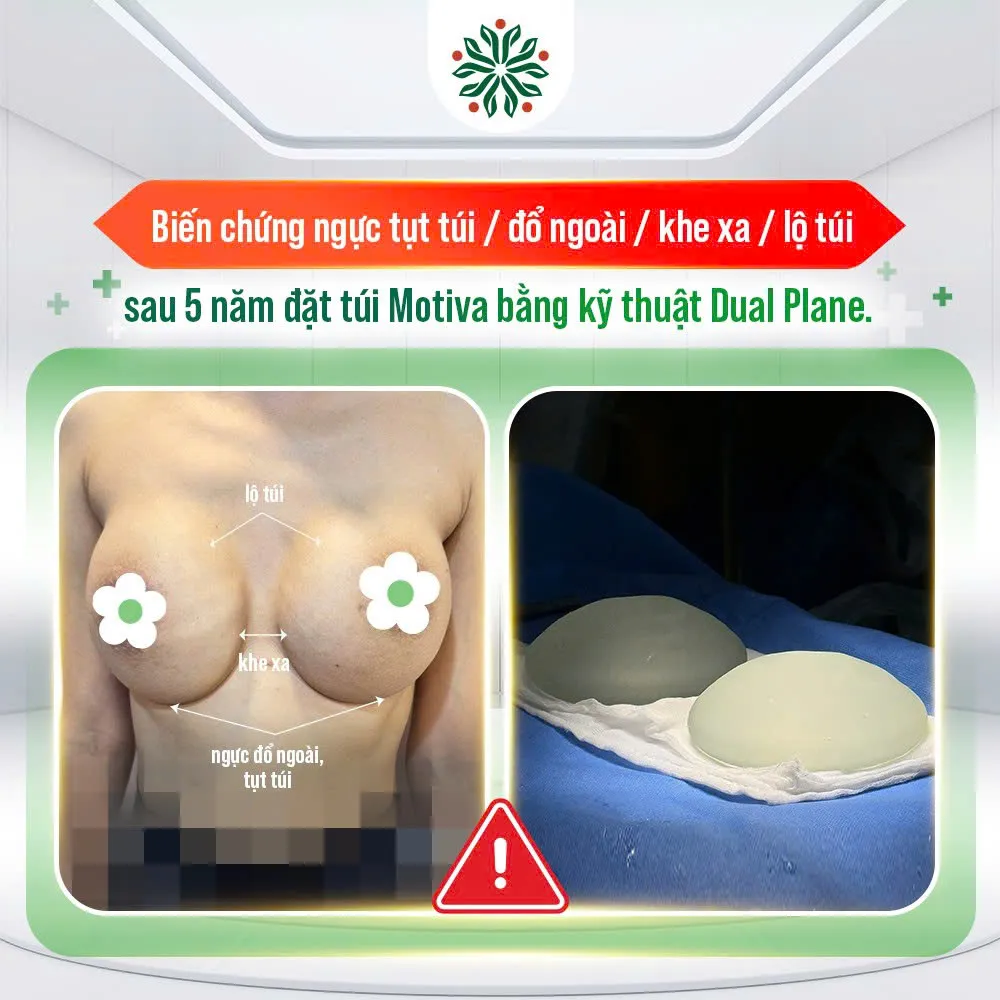
Breast implant illness is a term used by patients, not a formal diagnosis. It describes a cluster of systemic symptoms that women attribute to their breast implants. The most frequently reported are:
- Persistent fatigue that rest does not fix
- Joint and muscle pain
- Cognitive difficulty, often described as brain fog
- Hair loss
- Dry eyes and dry mouth
- Skin rashes
- Sleep disturbance
- Anxiety or low mood
- Recurrent low-grade fever
There is no blood test for it, no imaging finding, and no agreed set of criteria that separates it from other conditions producing the same symptoms. That is why it does not appear in diagnostic classifications as a disease entity.
This is not the same as saying the symptoms are imagined. The symptoms are reported consistently enough, by enough women, that the FDA added them to its labelling requirements. According to the FDA (2021), the agency required a boxed warning on breast implants and a patient decision checklist, and that warning explicitly mentions that some patients have reported systemic symptoms such as fatigue, joint pain and brain fog.
A boxed warning acknowledging patient reports is not the same as established causation. Both things are true at once, and it helps to hold them together rather than collapse one into the other.
Where does the evidence currently stand?
| Question | What the evidence supports |
|---|---|
| Do women report these symptoms? | Yes, consistently and in large numbers |
| Is there a validated diagnostic test? | No |
| Do implants cause a defined systemic disease? | Not established |
| Do symptoms improve after explant in some women? | Yes, reported in multiple observational studies |
| Are those studies controlled? | Mostly not — this is the central weakness |
The studies reporting symptom improvement after explantation are largely observational, based on patient-completed questionnaires, without control groups and often without long follow-up. Reported improvement rates vary widely between studies, commonly in the range of 60–80% of participants describing at least partial improvement in at least one symptom. Those numbers should be read with care: a study design of this kind cannot separate a true biological effect from expectation, from regression of symptoms over time, or from the general effect of having a long-standing concern acted on.
According to the American Society of Plastic Surgeons (ASPS, 2023), large epidemiological reviews comparing women with and without implants have not established a consistent link between silicone implants and defined connective tissue or autoimmune diseases. The research question that remains genuinely open is narrower: whether a subgroup of women has a real biological response that current methods do not capture.
That open question is why this topic deserves neither dismissal nor overstatement.
Two conditions that are defined, and must not be confused with BII
This distinction matters clinically, because these have specific diagnostic pathways.
BIA-ALCL — breast implant-associated anaplastic large cell lymphoma. This is a recognised lymphoma of the immune system, not breast cancer. It is associated predominantly with textured implant surfaces. The typical presentation is late-onset swelling of one breast, usually years after surgery, caused by fluid collecting around the implant. It is diagnosed by sampling that fluid and testing it. Treated early, the outlook is generally good. Any woman with unexplained late swelling of one breast should be assessed for this specifically.
BIA-SCC — breast implant-associated squamous cell carcinoma, arising in the capsule. This is rarer still, and the FDA has issued safety communications about it.
Neither of these is BII. They have objective findings and defined tests. If a woman has one-sided swelling, a mass, or skin changes, the pathway is investigation for these conditions, not an explant booked on the basis of fatigue.
Symptoms confined to one breast also raise the possibility of implant rupture or capsular contracture rather than a systemic process. These are covered separately in the guides on silent breast implant rupture and capsular contracture after breast augmentation.
Putting the numbers in context
Women researching these conditions online encounter risk figures without the scale attached to them. A few reference points help.
BIA-ALCL is rare. Risk estimates differ substantially between national registries because texture types, reporting systems and follow-up periods differ, but published lifetime estimates for women with textured implants generally fall somewhere between roughly 1 in 2,000 and 1 in 30,000. Risk with smooth-surface-only implant history is lower still, and no confirmed case has been linked to a purely smooth implant history. The practical implication is not alarm; it is that late one-sided swelling warrants investigation rather than watchful waiting.
Rupture is not rare, and it accumulates with time in place. According to the FDA (2021), roughly 10% of silicone implants show rupture on imaging within the first decade for some device models. Manufacturer follow-up data submitted to the FDA typically show rupture rates in the region of 10–15% by the ten-year mark, rising further beyond that. Most silicone ruptures produce no symptoms at all, which is why imaging surveillance exists.
FDA imaging guidance for silicone implants recommends a first ultrasound or MRI at 5 to 6 years after implantation, then repeating every 2 to 3 years. Saline implants are not covered by the same recommendation, because a saline rupture is visually obvious.
None of these figures tells an individual woman what will happen to her. They are population estimates, and they change as registries mature. They are included here because a decision made against a blank background tends to be driven by whatever was read most recently.
What a responsible assessment looks for first
Every symptom on the BII list is also produced by conditions that are common, testable and treatable. Explanting a woman who actually has untreated hypothyroidism leaves her just as tired, minus her implants.
Step 1 — Take a proper symptom history. When did each symptom start? Did they begin before or after the implants? Is there a pattern to them? Did anything else change in that period — a pregnancy, a major illness, a bereavement, a new medication? A timeline that places symptom onset years before surgery points elsewhere.
Step 2 — Screen for common alternative causes. Thyroid dysfunction, iron deficiency and anaemia, vitamin D deficiency, diabetes, perimenopause, sleep apnoea, depression and anxiety, and defined autoimmune conditions such as rheumatoid arthritis, lupus and Sjögren syndrome. These are ordinary tests, and they are not optional in this assessment.
Step 3 — Examine and image the implants themselves. Assess for capsular contracture, asymmetry, mass or fluid collection. The FDA recommends imaging surveillance for silent rupture in women with silicone implants, and the recommended schedule is set out in the guide on screening for silent rupture.
Step 4 — Discuss findings honestly, including uncertainty. If testing finds a treatable cause, treat that first and reassess. If testing is unremarkable and the symptoms persist, the woman is entitled to know exactly that — that no alternative cause was found, and that explant may or may not relieve her symptoms.
Step 5 — Make the decision together. A woman who understands the evidence and still wants her implants removed is making a legitimate choice. Wanting implants out is a sufficient reason for explant surgery on its own. It does not require a confirmed diagnosis.
Is capsulectomy necessary for symptom relief?
Women researching BII frequently arrive convinced they need en bloc removal, having read that anything less leaves material behind that will keep them ill.
The terminology matters here, and it is widely misused. En bloc capsulectomy means removing the implant and the entire capsule as one intact unit without opening either. Total capsulectomy means removing the whole capsule, but not necessarily in one piece. Partial capsulectomy removes part of it. The terms are set out in full in the article on en bloc, total and partial capsulectomy.
Two points are worth stating clearly:
First, there is no good evidence that total or en bloc capsulectomy produces better symptom outcomes than implant removal alone in women with systemic symptoms and no capsule pathology. Studies comparing these approaches for symptom relief are limited and do not demonstrate a clear advantage.
Second, capsulectomy is not risk-free. The capsule sits directly against the chest wall, and near the ribs it can be very thin. Removing all of it takes longer, carries more bleeding, and carries a risk of entering the chest cavity. That risk is small in experienced hands, but it is not zero, and it is a real risk being accepted in exchange for a benefit that is not established.
“I remove the capsule when there is something wrong with the capsule — contracture, calcification, silicone from a rupture, a fluid collection. I do not remove a thin, healthy capsule off the ribs to treat fatigue, because that trade is not supported by the evidence,” says MSc, MD Ho Cao Vu.
Capsulectomy has clear indications: a thick or calcified capsule, established capsular contracture, a ruptured silicone implant with silicone in the capsule, a fluid collection requiring assessment, or suspicion of BIA-ALCL. In those situations the capsule is removed because there is something wrong with the capsule.
How the operation is performed here
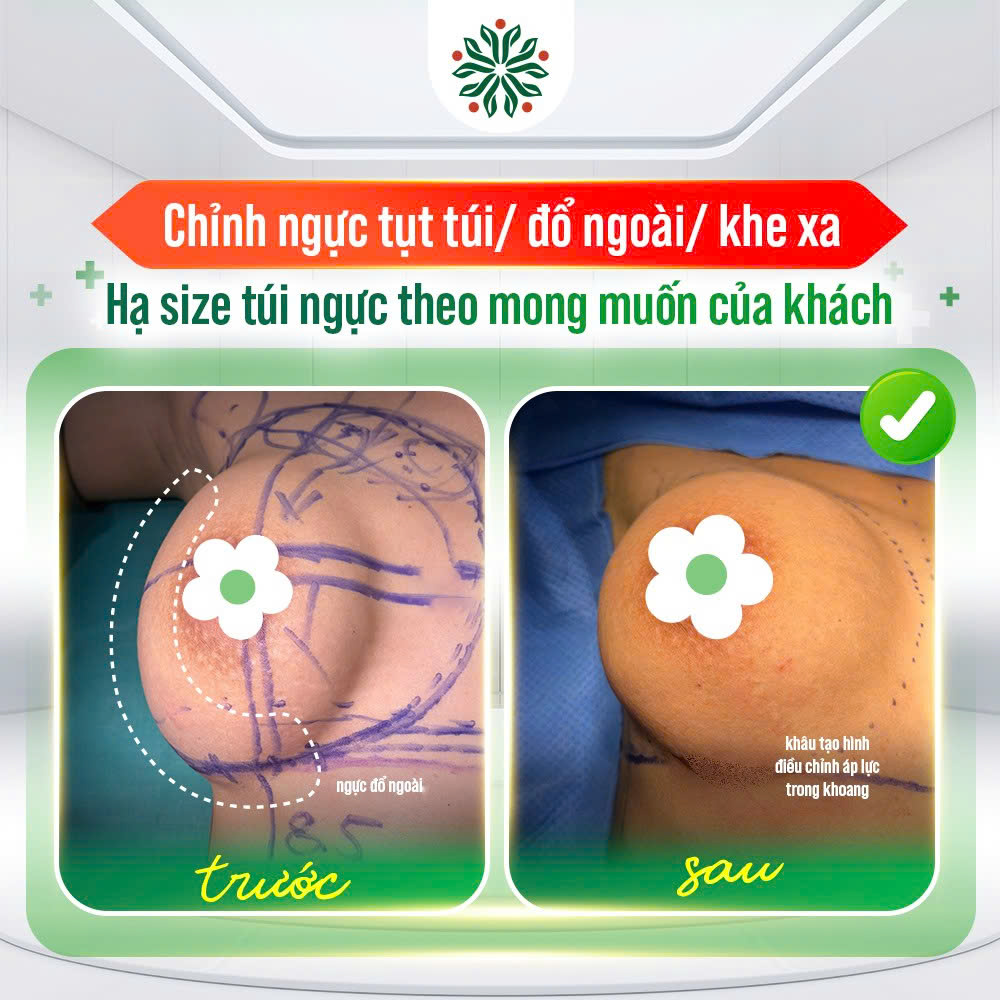
Explant surgery at this practice is performed using an ultrasonic surgical scalpel with a precise dissection technique. The instrument cuts and seals tissue using ultrasonic vibration rather than spreading heat through the surrounding tissue the way electrocautery does. The practical consequences are a narrower zone of thermal injury, a cleaner operative field, less bleeding and less post-operative fluid collection.
For capsule work specifically, that control matters. Dissecting a thin capsule off the chest wall is precisely the situation where the width of the thermal effect determines how safely the plane can be followed.
Whether the breast will need a lift at the same time depends on skin elasticity, how long the implants have been in place, implant volume and the amount of remaining breast tissue. That assessment is covered in the guide on breast implant removal without replacement, and the full surgical pathway in the complete guide to explant surgery.
Setting expectations before surgery
Women considering explant for systemic symptoms should go into it holding two expectations at once.
The first is that symptoms may improve. Many women report that they do, and that experience should not be dismissed.
The second is that symptoms may not improve, or may improve only partially, or may improve and then return. If the symptoms have another cause that testing did not identify, removing the implants will not address it. In the observational series that report improvement, a minority of participants — commonly around 20–30% — describe little or no change, and that group is rarely discussed in patient forums.
Being told both of these before surgery is part of informed consent. A surgeon who promises that explant will resolve fatigue and brain fog is promising something the evidence does not support.
“The women who do best are the ones who came in with an accurate expectation,” Dr Ho Cao Vu notes. “They wanted the implants out, they understood the symptom outcome was uncertain, and they were not left feeling deceived if some symptoms stayed.”
Recovery timelines given in consultation are approximate ranges. Actual recovery depends on the surgical method, the dissection technique, implant position, implant size, the characteristics of the breast tissue, and individual healing. Two women having the same operation on the same day can recover differently.
One instruction specific to this practice: do not massage the breasts after surgery. Massage may be indicated with some other techniques; with this dissection technique it is not, and patients should not begin it without direct instruction from their own surgeon.
Frequently asked questions
Is breast implant illness a real diagnosis? It is a patient-reported term, not a formal diagnosis. There is no validated test and no agreed diagnostic criteria. The symptoms reported are real; the causal link to implants is not established. The FDA requires a boxed warning that mentions these reported systemic symptoms.
Will removing my implants make the symptoms go away? It may. Observational studies report that a majority of participants describe some improvement, but those studies lack control groups, so they cannot establish that the implants were the cause. Some women improve, some improve partially, and some do not improve.
Do I need en bloc capsulectomy for symptom relief? There is no good evidence that en bloc or total capsulectomy relieves systemic symptoms better than removing the implant alone. Capsulectomy is indicated when there is a problem with the capsule itself — contracture, calcification, rupture with silicone contamination, fluid collection, or suspected BIA-ALCL.
Is breast implant illness the same as BIA-ALCL? No. BIA-ALCL is a defined lymphoma associated mainly with textured implants, diagnosed by testing fluid collected around the implant. It usually presents as late swelling of one breast. It has an objective diagnosis and a specific treatment pathway.
Should I have tests before deciding on explant? Yes. Thyroid function, iron studies, vitamin D, screening for autoimmune conditions, and assessment for sleep disorders and perimenopause are all reasonable, because each produces the same symptom picture and each is treatable.
Can I have explant surgery if all my tests are normal? Yes. Wanting implants removed is a sufficient reason for explant surgery. What matters is that the decision is made with an accurate understanding of what the operation can and cannot be expected to do.
Will my breasts look very different afterwards? Usually yes, to some degree. The extent depends on how long the implants were in place, their size, skin elasticity and remaining breast tissue. Some women need a lift at the same time to achieve the shape they want, and some prefer to wait and reassess.
Conclusion
Breast implant illness sits in a genuinely uncertain area of medicine, and women asking about it are usually met with either dismissal or an overpromise. Neither is useful.
A defensible approach is straightforward: take the symptoms seriously, look properly for other causes that are common and treatable, assess the implants themselves, explain honestly what the evidence does and does not support about capsulectomy, and then respect the woman’s decision. Explant does not require a diagnosis to be justified — but it does require an accurate picture of what it is likely to achieve.
References
- U.S. Food and Drug Administration — Breast implants: risks, complications and labelling requirements — https://www.fda.gov/medical-devices/breast-implants
- American Society of Plastic Surgeons — Breast implant illness and explant surgery patient resources — https://www.plasticsurgery.org/
- NHS — Breast enlargement (breast implants): risks — https://www.nhs.uk/conditions/cosmetic-procedures/breast-enlargement/


