Breast Implant Screening for Silent Rupture: What the FDA Recommends
Dr. Ho Cao Vu, Plastic and Reconstructive Surgeon
Practising Certificate No. 028475/BYT-CCHN, issued by the Ministry of Health on 28 June 2018, with a scope of practice in plastic and reconstructive surgery. More than 15 years in aesthetic plastic surgery and more than 20 years of general surgical experience at Cho Ray Hospital in Ho Chi Minh City.
A silicone gel breast implant can rupture without producing any obvious change in how the breast looks or feels. Because of this, the U.S. Food and Drug Administration (FDA) advises women with silicone gel implants to have periodic imaging to check the implants, even when there are no symptoms. This article explains what a silent rupture is, why silicone gel implants can rupture unnoticed, what the current FDA screening recommendation is, how ultrasound and MRI are used, and what a patient can reasonably discuss with the surgical team about long-term monitoring.
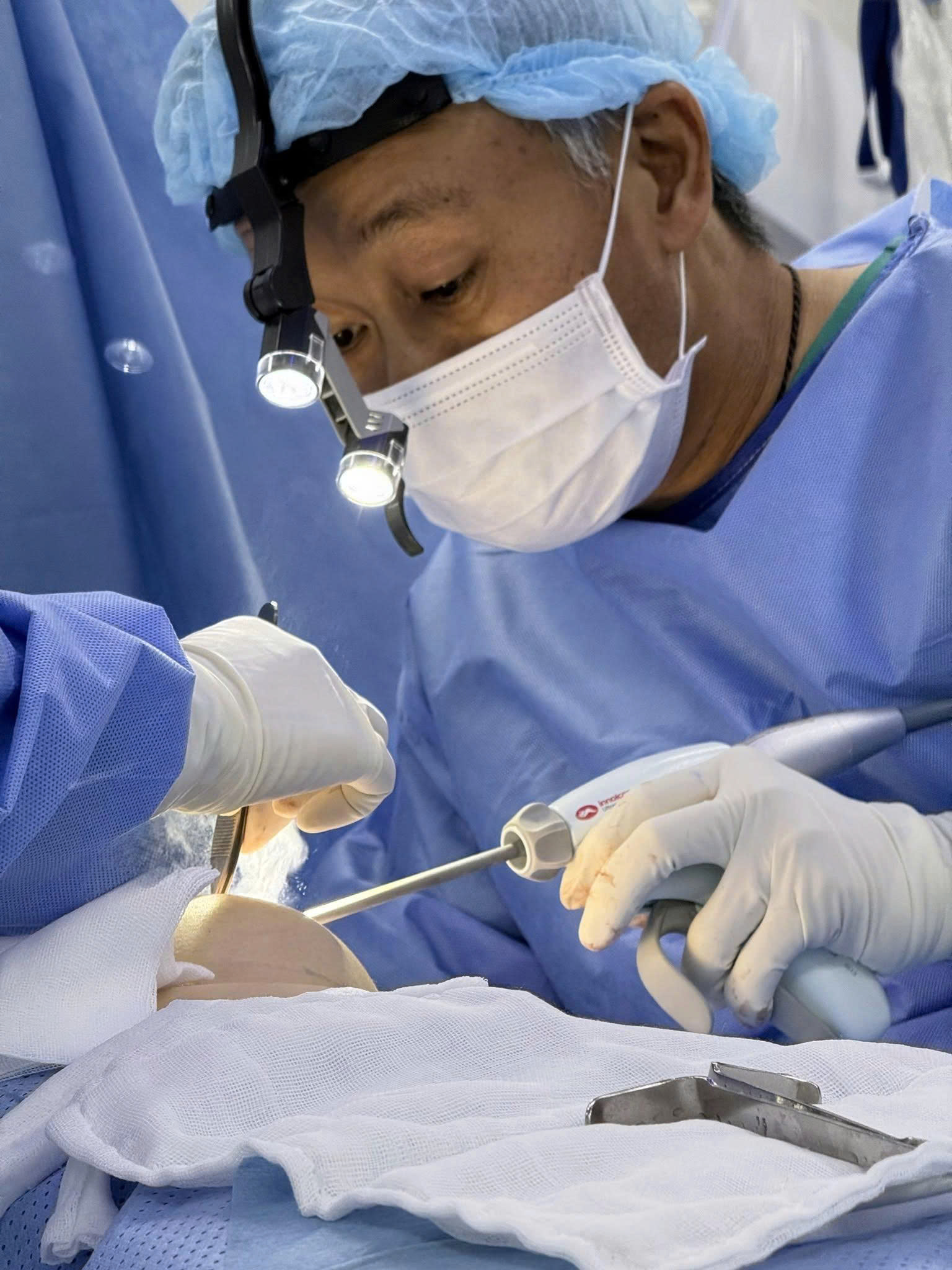
Quick answer: The FDA recommends screening silicone gel breast implants for silent rupture using ultrasound or MRI, beginning five to six years after placement and then every two to three years. This recommendation was revised in 2021, moving the first screening from three years to five to six years. Saline implants are handled differently, because a saline rupture usually causes visible deflation. Screening does not prevent rupture; it is a way to detect a rupture that may otherwise go unnoticed.
What is a silent rupture of a breast implant?
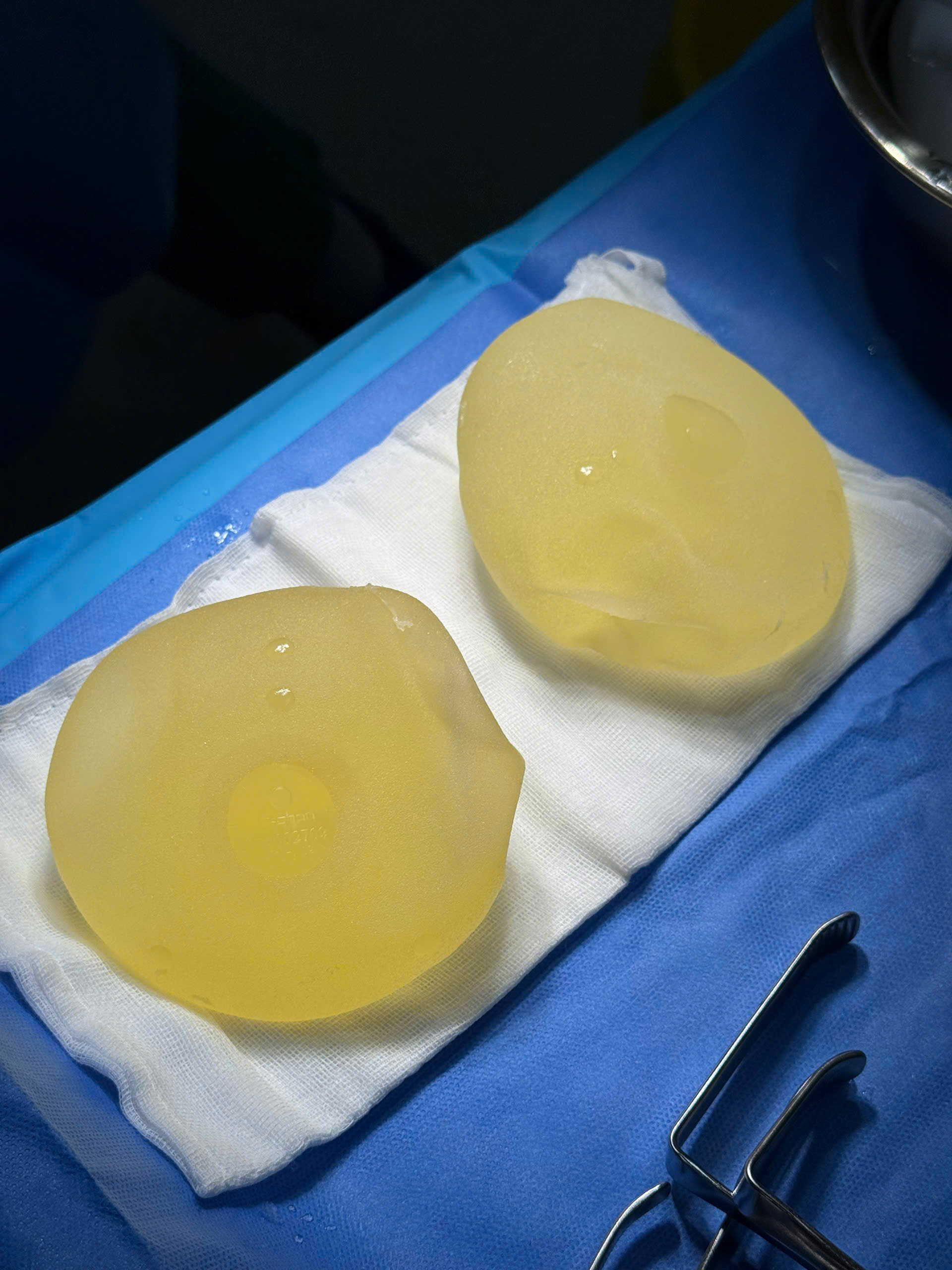
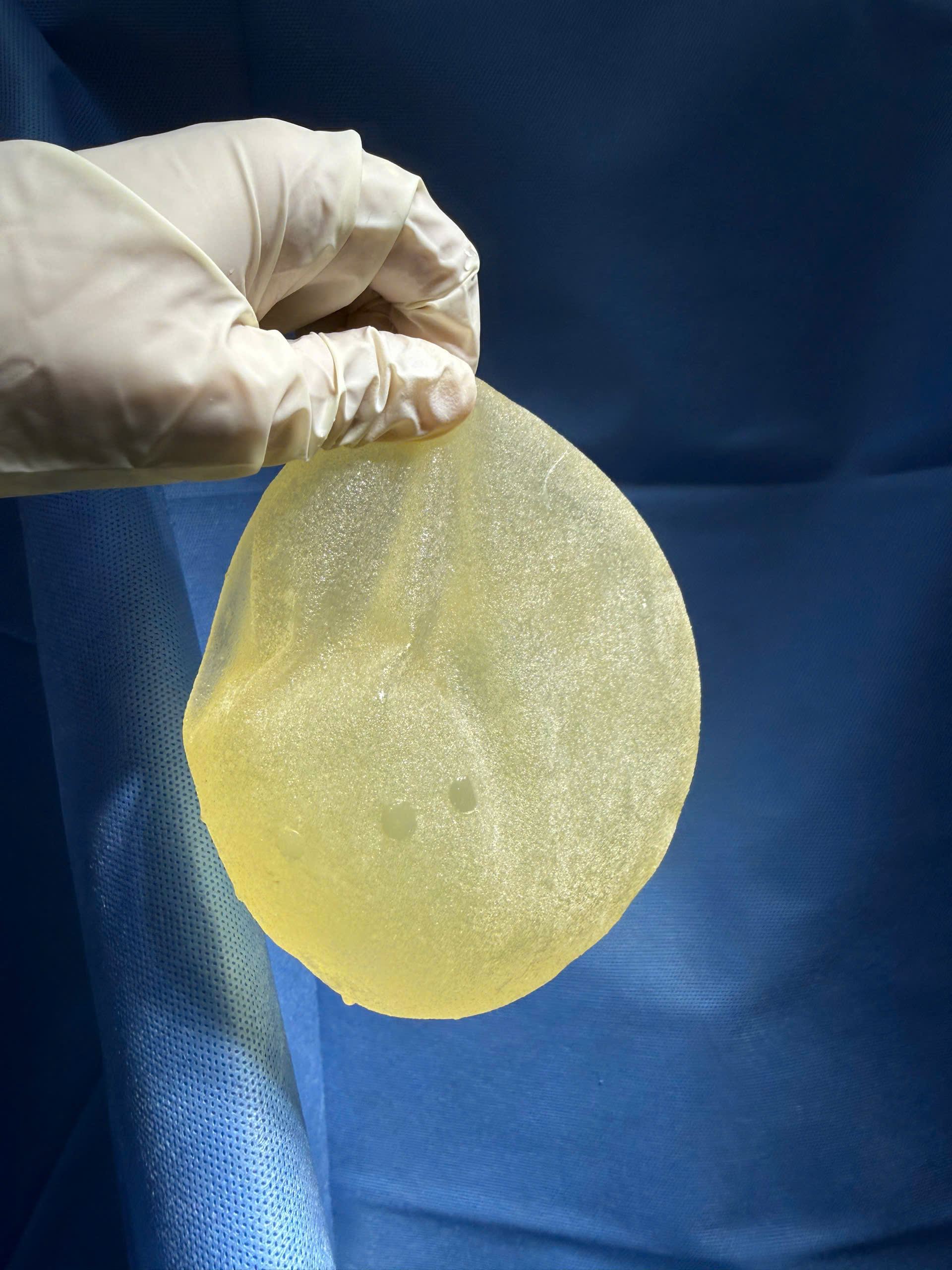
A rupture means the outer shell of a breast implant has developed a tear or hole. With a saline implant, the salt-water filling leaks out and the breast usually deflates in a way that is easy to notice. With a silicone gel implant, the situation can be different. The gel is thicker and tends to stay within the tissue capsule that forms around the implant, so a tear may not change the shape or feel of the breast.
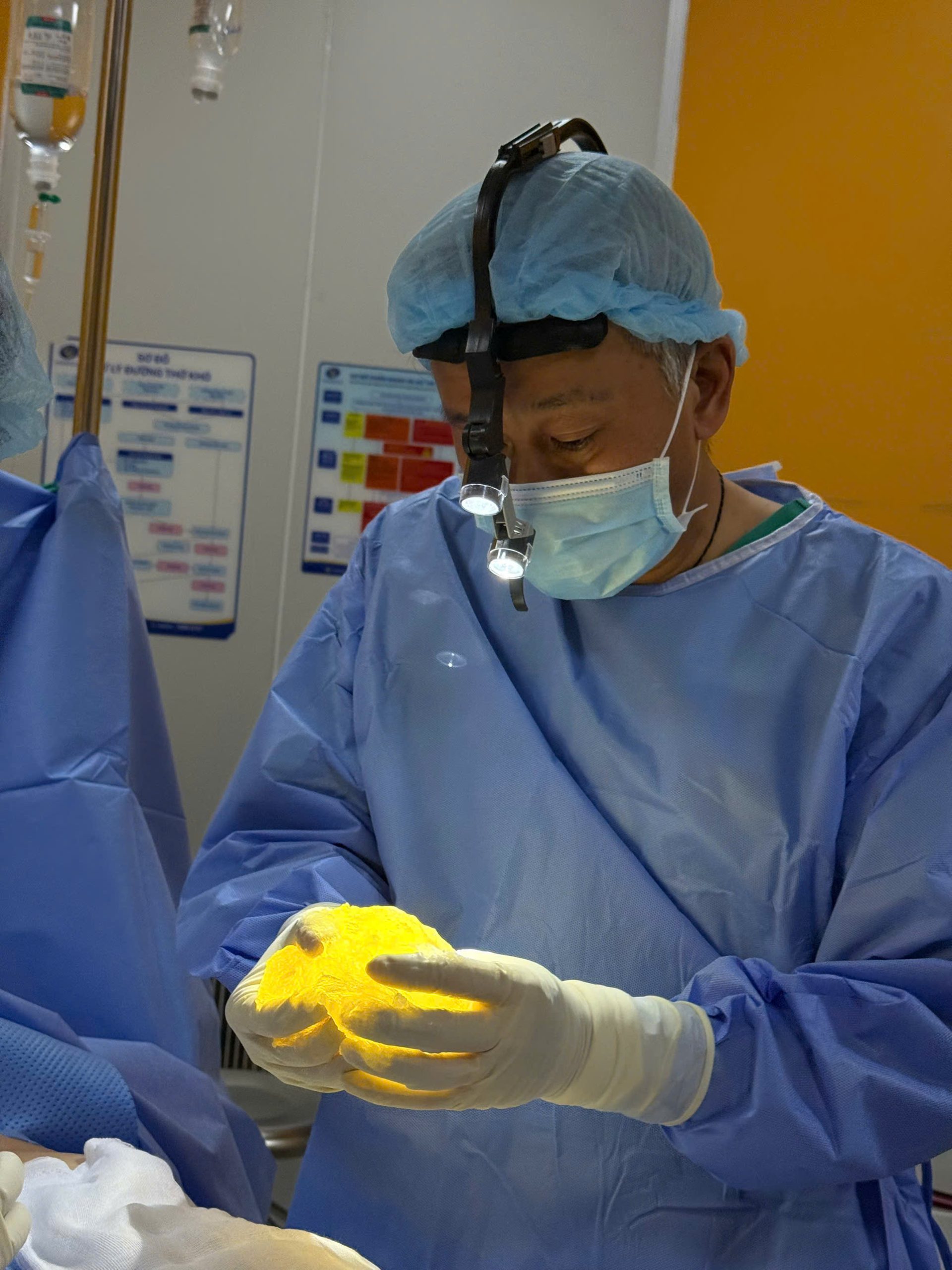
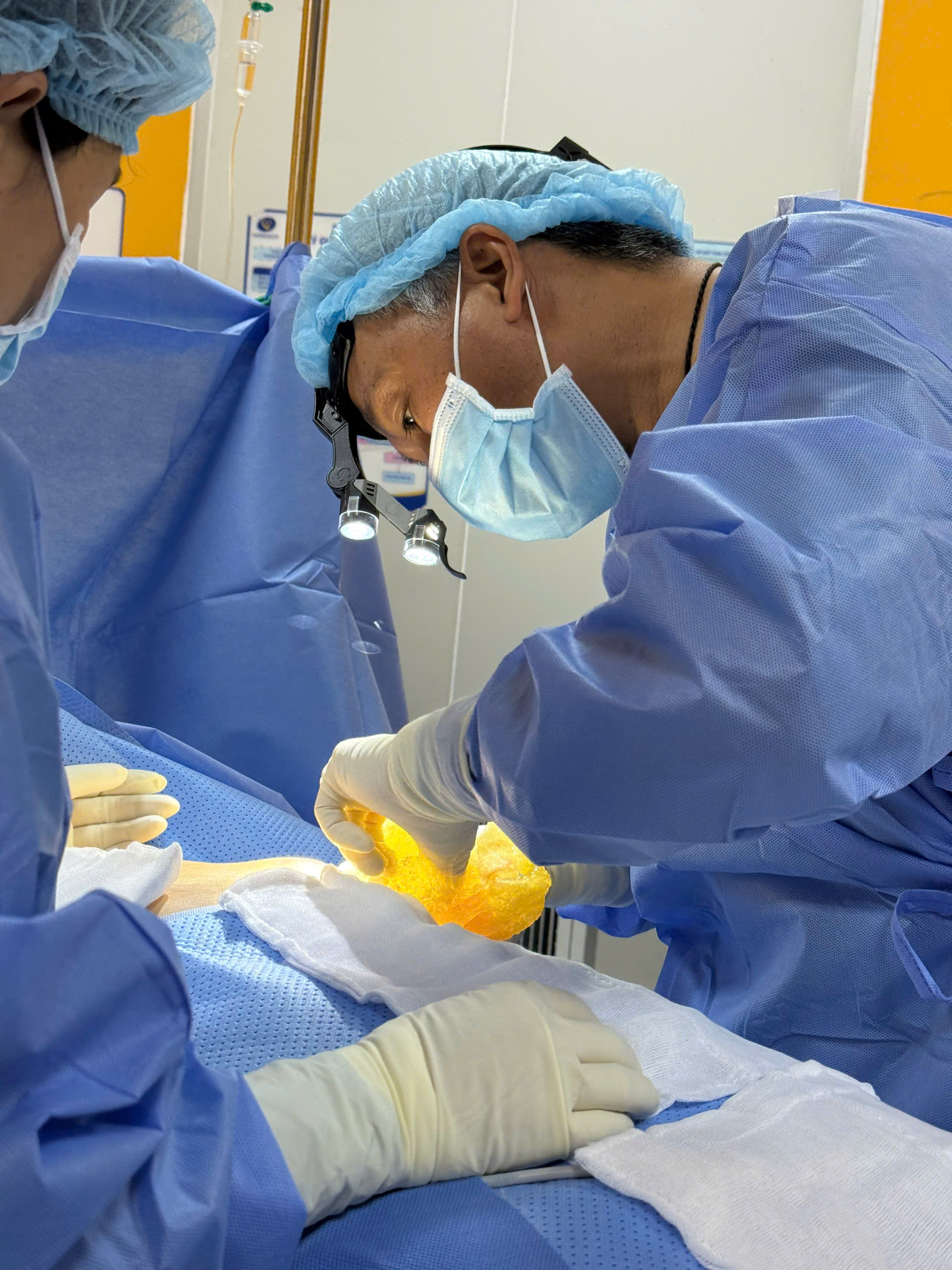
When a silicone gel implant ruptures without noticeable symptoms, it is described as a silent rupture. The term reflects the practical problem it creates: a patient may have a ruptured implant for a long period without being aware of it, which is the reason routine imaging is recommended rather than relying on symptoms alone. Readers who want a fuller explanation of how silent rupture is detected and managed can refer to our related article on silent breast implant rupture.
Why can silicone gel implant ruptures go unnoticed?
The way a silicone gel implant is filled explains why a rupture can be hard to detect. Modern silicone gel is cohesive, meaning it holds together rather than flowing freely. After the shell tears, the gel often remains contained by the surrounding tissue capsule, so there may be no change in breast size, shape or firmness that would prompt a patient to seek help.
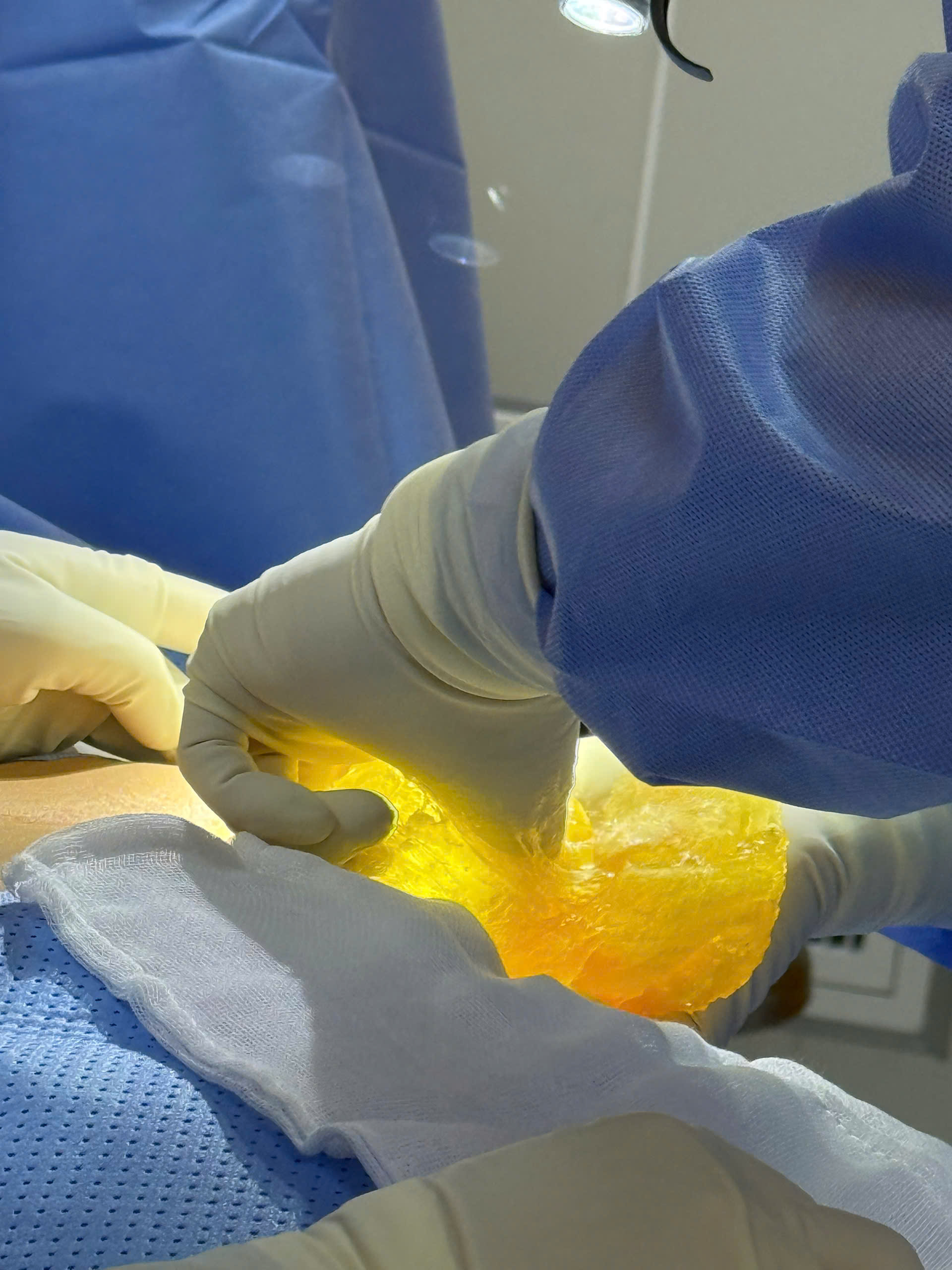
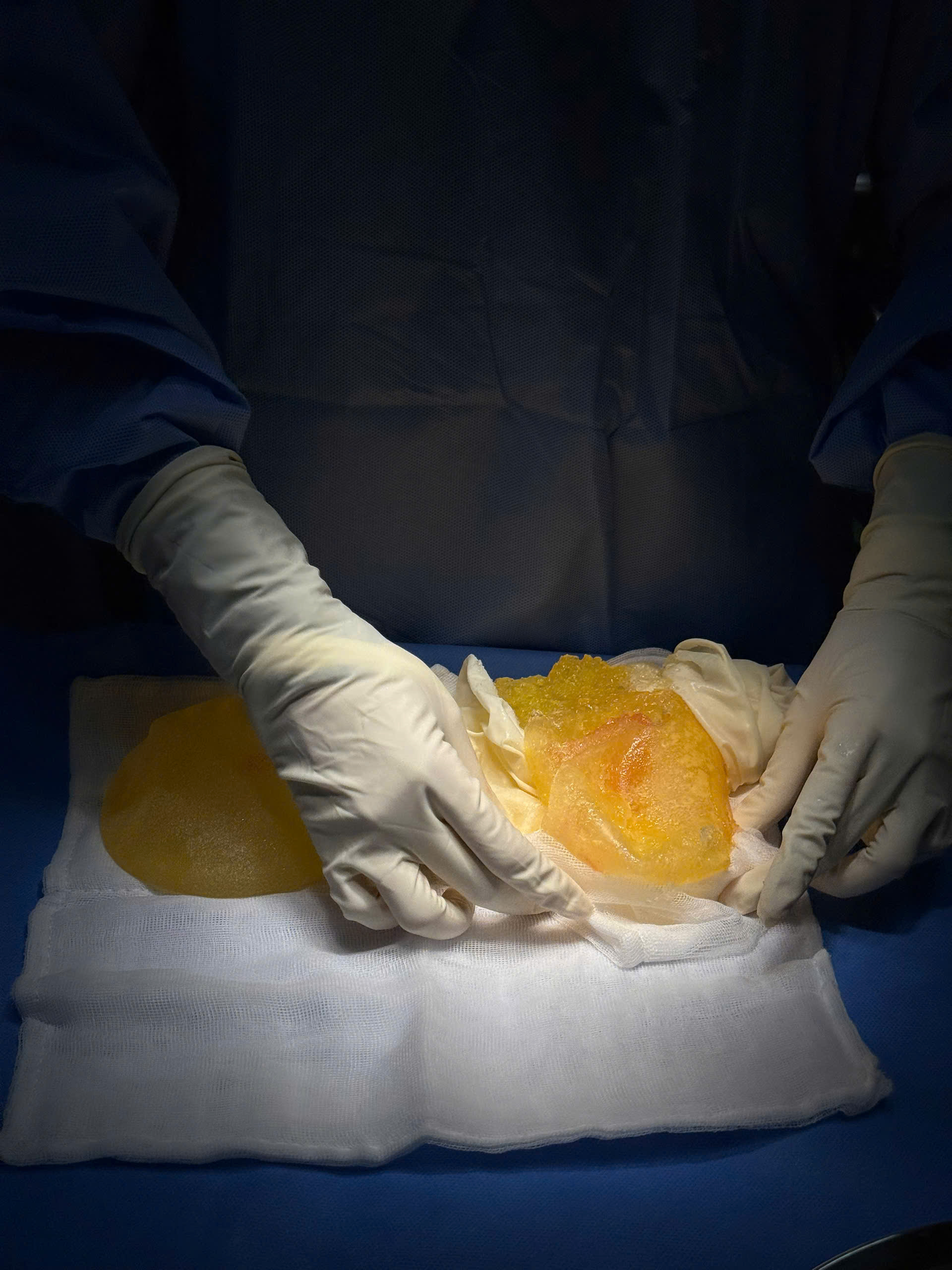
A high-resolution ultrasound study of women with silicone gel implants reported that a proportion of ruptures were present without symptoms, which supports the rationale for imaging rather than waiting for signs to appear (Silent Rupture of Silicone Gel Breast Implants, 2021). Some ruptures do eventually produce changes, such as a difference in shape, firmness, discomfort or swelling, but these are not reliable early indicators. Because symptoms are an incomplete guide, a scheduled imaging approach is used to look for rupture before it becomes apparent clinically.
What does the FDA recommend for breast implant screening?
According to the FDA, women with silicone gel breast implants should be screened for silent rupture using ultrasound or MRI, starting five to six years after the implants are placed and then every two to three years afterward (Breast Implant Safety, American Society of Plastic Surgeons). This schedule applies to patients without symptoms; the presence of symptoms can change what imaging is advised and when.

This recommendation was revised as part of the FDA’s updated breast implant labeling guidance in 2021. The earlier guidance had suggested the first screening at around three years, and the update moved the initial screening to five to six years after placement, while keeping the every-two-to-three-years interval thereafter (FDA breast implant labeling recommendations). Patients who received implants under the earlier guidance may find it helpful to confirm their own screening schedule with the surgical team, since the timing was adjusted.
It is worth noting what this recommendation is and is not. It is a schedule for detecting a rupture that may be silent. It is not a claim that screening prevents rupture, and it does not replace attention to any new symptoms that develop between scheduled scans.
Ultrasound or MRI: which is used for implant screening?
The FDA recommendation lists ultrasound or MRI as acceptable options for screening, and both are used in practice. Each has a different role, and the choice depends on the clinical situation and access to imaging.
Ultrasound is widely available, does not use contrast, and is frequently used as a first-line screening option for silent rupture. When ultrasound findings are clear, they can provide useful information without the cost and time of an MRI. Reported experience has been that patient compliance with MRI screening has historically been low, which is one practical reason ultrasound is often used for routine surveillance (Silent Rupture of Silicone Gel Breast Implants, 2021).
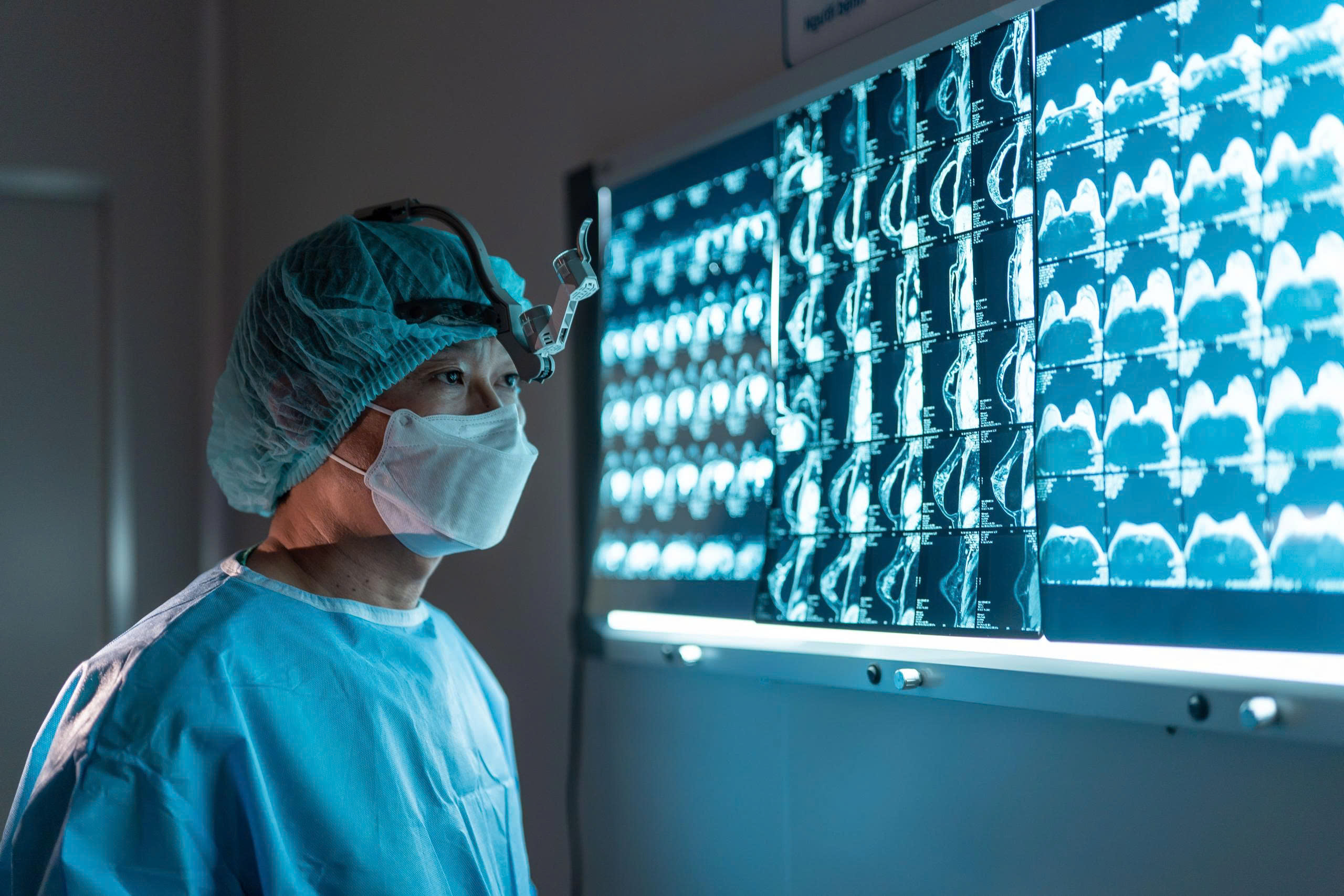
MRI provides detailed images of the implant shell and is used when more information is needed. Imaging guidance such as the American College of Radiology Appropriateness Criteria for breast implant evaluation describes how ultrasound and MRI are selected according to the clinical question (ACR Appropriateness Criteria, Breast Implant Evaluation, 2023). In general terms, if an ultrasound is uncertain or suggests a rupture, or if a patient has symptoms, MRI may be recommended to clarify the findings.
The images are interpreted by a radiologist, the physician trained in reading diagnostic imaging, which is a different role from the radiographer who performs the scan. Where a scan is carried out and how it is reported can vary between facilities, and this is a reasonable thing for a patient to ask about.
What happens if screening suggests a rupture?
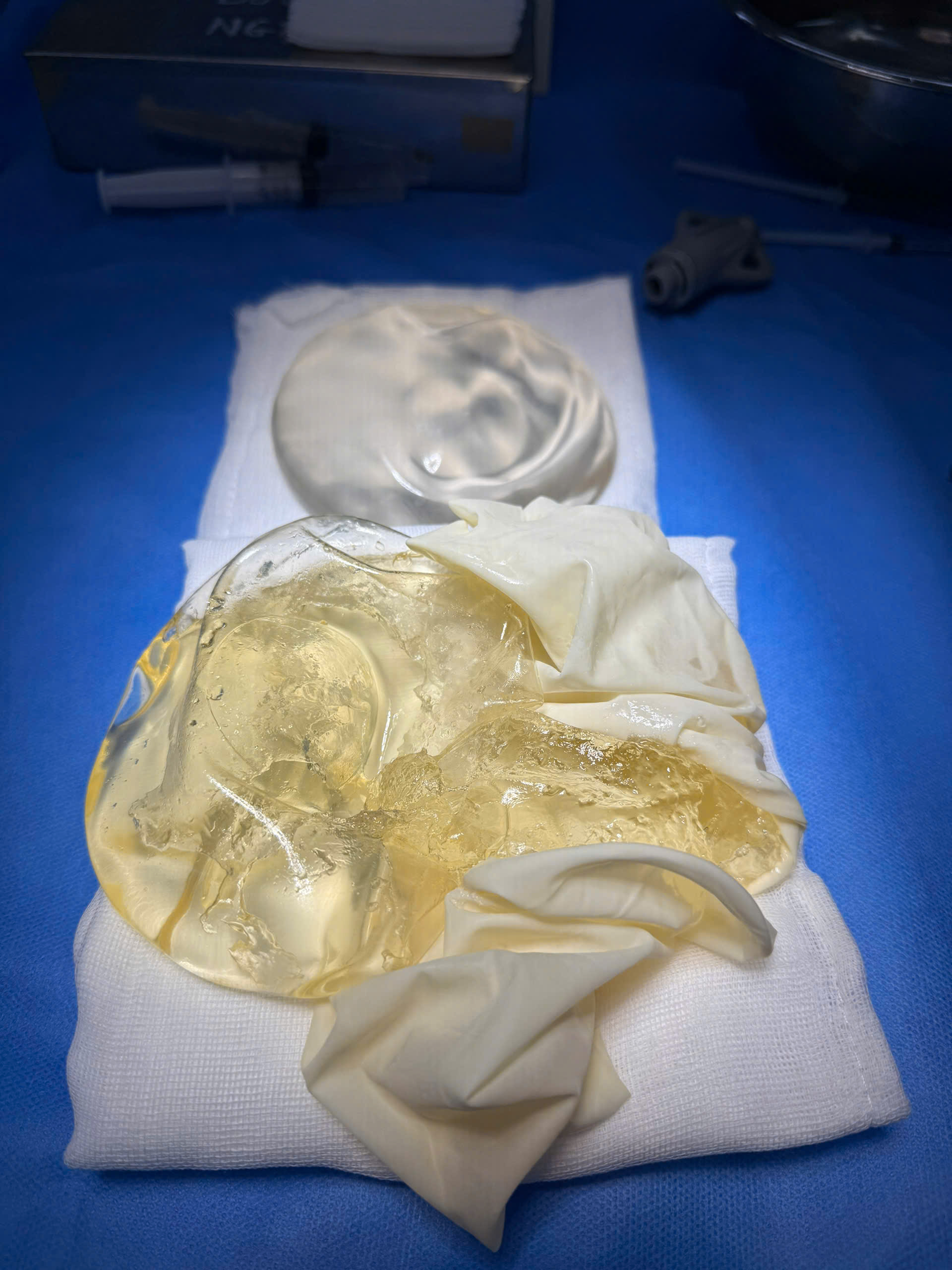
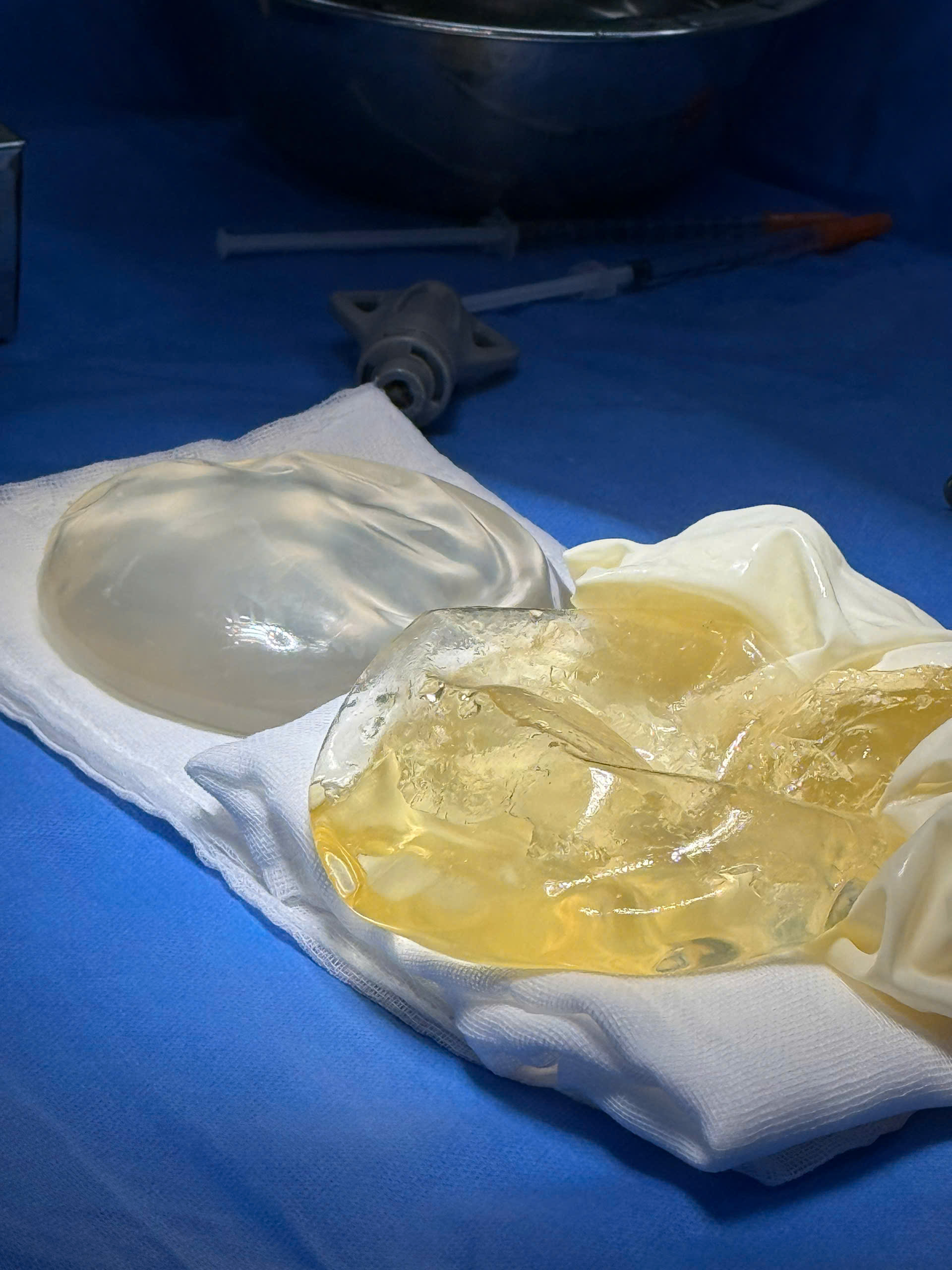
If imaging suggests that a silicone gel implant has ruptured, the next step is a discussion with the surgical team about the findings and the options. A screening result is information to be interpreted alongside the patient’s symptoms and history, not an automatic instruction for any single procedure.
The options after a confirmed rupture can include removal of the implant, removal with replacement, or removal of the implant together with some or all of the surrounding capsule, depending on the individual situation. These are distinct procedures, and which one is appropriate is a clinical decision made with the patient rather than a fixed rule that applies to every rupture. A patient can ask the surgeon to explain what each option involves and what it would mean in their case.
How is screening different for saline implants?
Saline implants are handled differently from silicone gel implants when it comes to rupture. Because a saline implant is filled with salt water, a rupture usually leads to visible deflation as the fluid is absorbed by the body, so the change is generally noticeable without imaging.
For this reason, the routine imaging schedule for silent rupture is directed at silicone gel implants, where a rupture can be present without obvious signs. This distinction is one reason the type of implant is part of the informed discussion before surgery, since it affects how the implant may behave over time and how it would be monitored. It is a factual difference between two implant categories, saline implants and silicone gel implants, rather than a judgement that one is preferable.
What can patients discuss with their surgeon about monitoring?
Long-term monitoring is easier when a patient knows a few practical details about their own implants. It can be useful to keep a record of the implant type, whether it is a saline or silicone gel implant, the date of surgery, and any device information provided at the time, since these details inform the screening schedule.
A patient may also wish to ask when their first screening is due based on the current recommendation, which imaging option the surgeon suggests for routine surveillance, and what new symptoms would be a reason to seek assessment sooner. Any decision about imaging or further treatment should be made with the surgical team and, where relevant, the clinician responsible for the patient’s care, rather than on the basis of a general schedule alone. Framing these as questions for a scheduled review helps a patient stay informed without waiting for symptoms to appear.
Frequently asked questions
When should I have my first breast implant screening?
For silicone gel implants, the FDA recommends the first screening five to six years after placement, then every two to three years. The exact timing for an individual can depend on when the implants were placed and on any symptoms, so it is best confirmed with the surgical team.
Can a silicone implant rupture without any symptoms?
Yes. A silicone gel implant can rupture without a clear change in the size, shape or feel of the breast, which is why it is called a silent rupture and why scheduled imaging is recommended rather than relying on symptoms.
Is ultrasound or MRI better for detecting a rupture?
The FDA lists both ultrasound and MRI as acceptable screening options. Ultrasound is widely available and often used first; MRI provides more detail and may be recommended if the ultrasound is uncertain, suggests a rupture, or if symptoms are present. The suitable option depends on the clinical situation.
Do saline implants need the same screening?
The routine silent-rupture screening schedule is directed at silicone gel implants. A saline implant rupture usually causes visible deflation, so it is generally noticeable without imaging.
Does screening prevent rupture?
No. Screening is a way to detect a rupture that may otherwise go unnoticed. It does not prevent rupture and does not replace attention to new symptoms between scheduled scans.
Conclusion
Silicone gel breast implants can rupture without obvious signs, and the FDA recommends screening for silent rupture with ultrasound or MRI starting five to six years after placement and every two to three years thereafter, a schedule revised in 2021. Ultrasound is often used for routine surveillance, with MRI reserved for uncertain findings or symptoms, and the images are interpreted by a radiologist. Saline implants differ, because a rupture usually causes visible deflation. Screening detects rather than prevents rupture, and the practical starting point for any patient is to know their implant type and surgery date and to confirm their own screening schedule with the surgical team.
Updated 19 August 2026.
References
- Breast Implant Safety — American Society of Plastic Surgeons (ASPS)
- FDA Updates Breast Implant Labeling Recommendations — summary of FDA guidance
- Silent Rupture of Silicone Gel Breast Implants: High-Resolution Ultrasound Scans and Surveys of 584 Women (2021) — PubMed Central
- ACR Appropriateness Criteria: Breast Implant Evaluation, 2023 Update — American College of Radiology