Breast Implant Removal in Vietnam: Cost & Safety Guide
More women — including overseas-Vietnamese patients living abroad — are now weighing up Vietnam as a destination for breast implant removal, often called explant surgery. The main reasons are cost and access to surgeons who handle removal regularly, but a sensible decision rests on more than price alone. This guide is written for the international patient trying to decide whether and how to have an explant in Vietnam: what it is likely to cost, how to judge whether a facility is safe, how to choose a surgeon, and what a careful process looks like from consultation to recovery.
It is a decision guide, not a clinical explainer. If you want the underlying medical detail — the reasons implants are removed, the difference between partial, total and en bloc capsulectomy, and how each is performed — see our companion article, Breast implant removal: reasons, techniques and what happens. Here, the focus is on making an informed choice.
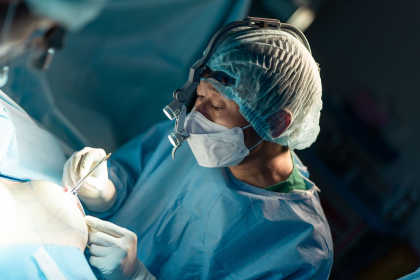
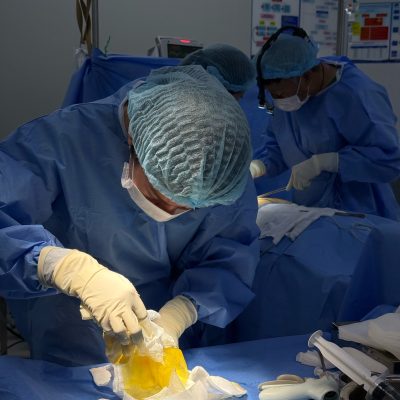
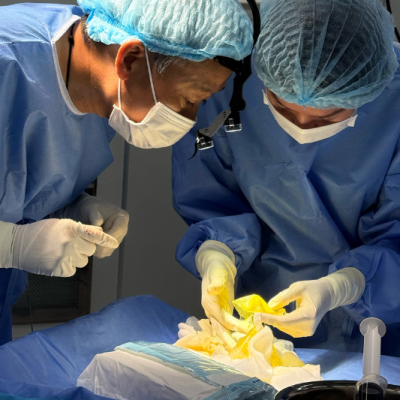
Consultations and preoperative assessments are provided at Dr Breast X. All aesthetic surgical procedures are performed directly by Dr Ho Cao Vu at Nam Sai Gon International Hospital under controlled safety protocols.
How much does breast implant removal cost in Vietnam?
The short answer: published estimates place breast implant removal in Vietnam in the region of USD 2,300–3,800, though the final figure depends heavily on how complex your case is and whether anything is replaced. That range should be treated as a starting point for discussion, not a fixed quote — a simple removal sits at the lower end, while removal combined with capsule surgery or a lift costs more.
To put those numbers in context, it helps to look at the self-pay market that most international patients are comparing against. The ASPS reports that the average surgeon’s fee for breast implant removal in the United States is USD 3,979, and ASPS guidance states that this figure excludes anaesthesia, operating-facility fees and other related costs.
“Breast implant removal costs can widely vary. The average cost of breast implant removal surgery is $3,979, according to 2024 statistics from the American Society of Plastic Surgeons. This average cost is only part of the total price — it does not include anesthesia, operating room facilities or other related expenses.”
— American Society of Plastic Surgeons (2024)
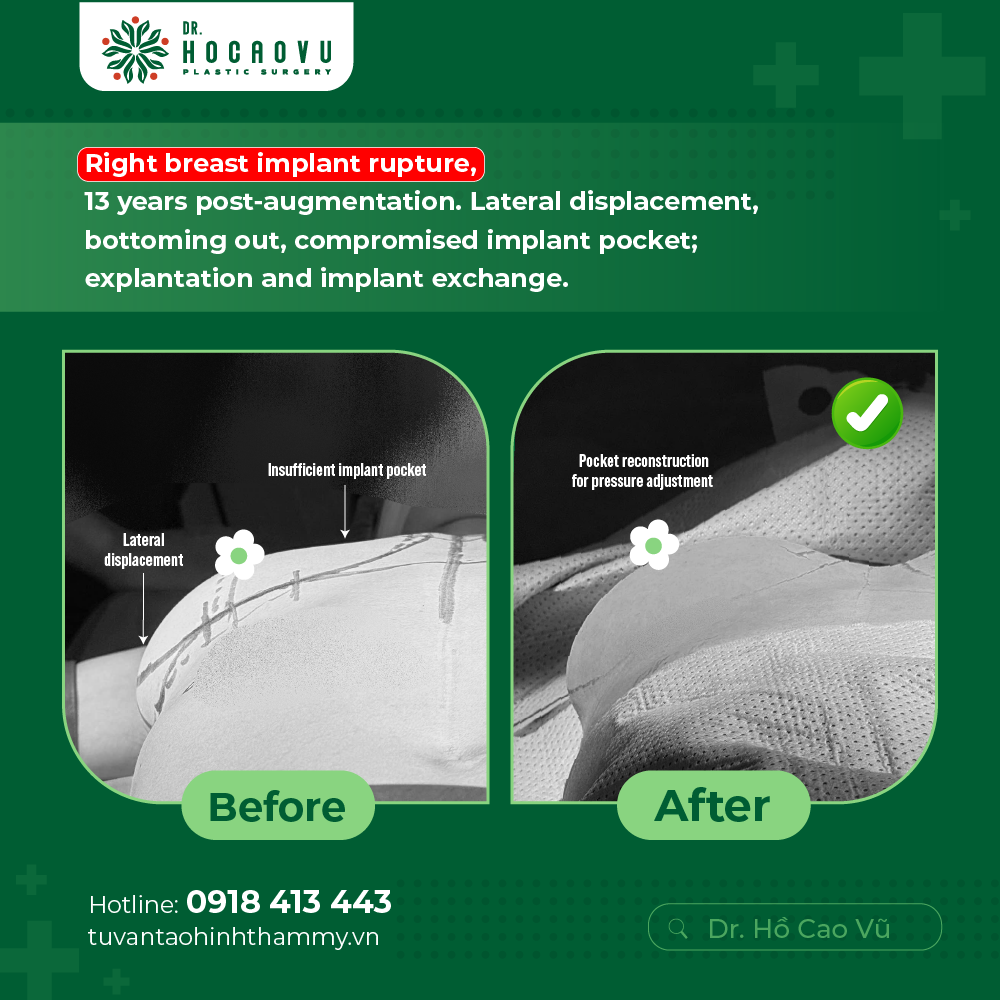
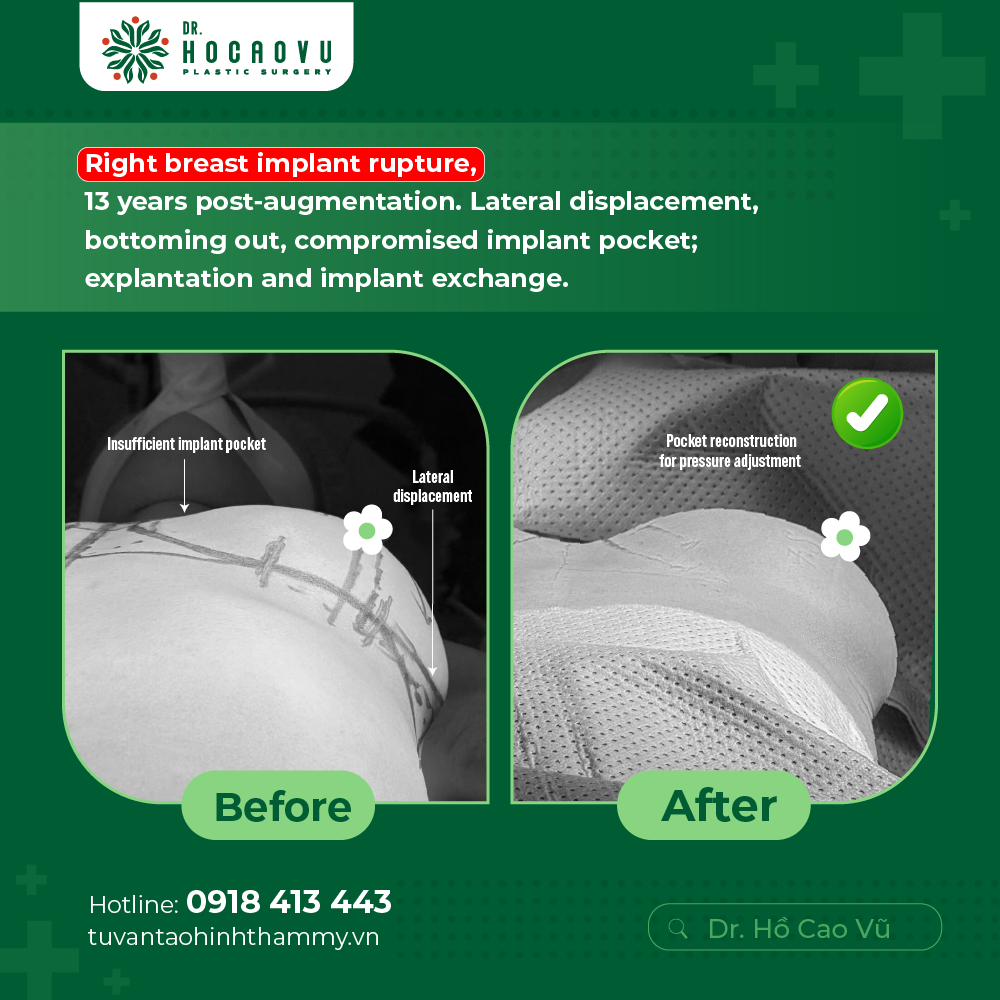
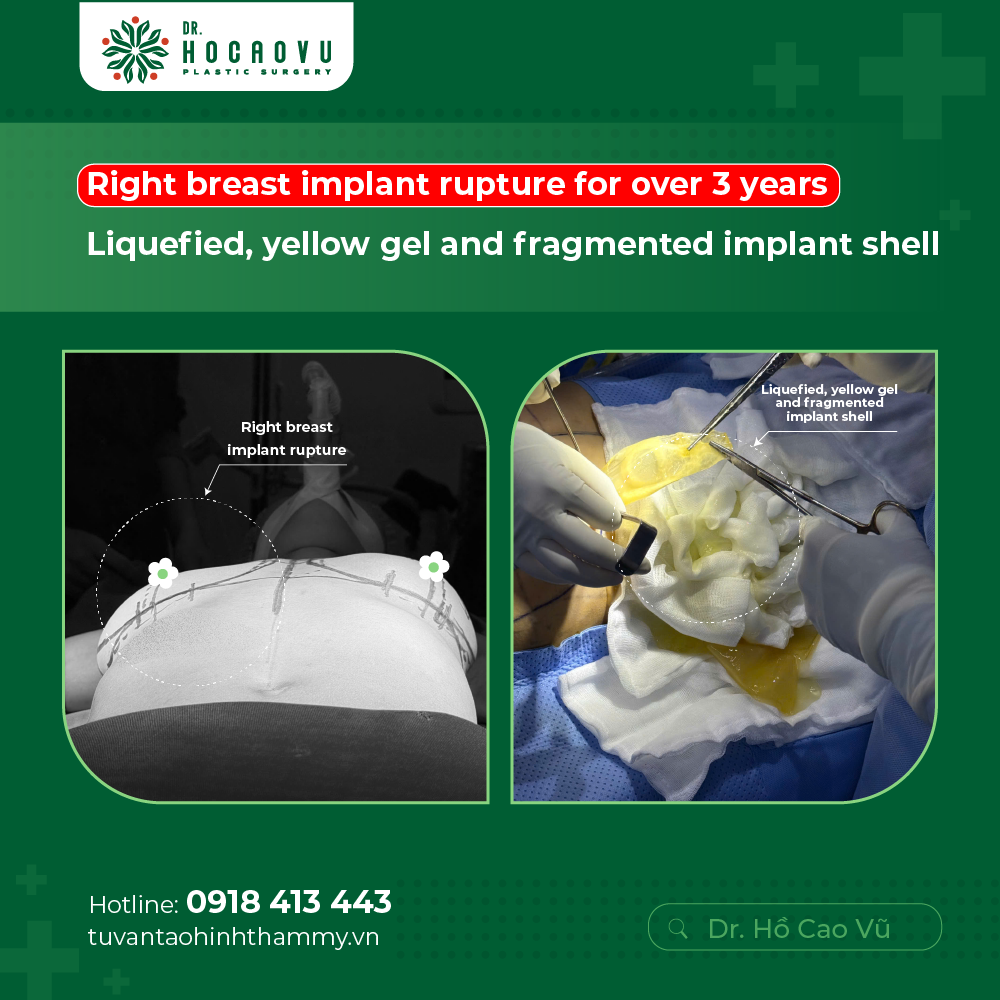
Once anaesthesia and facility charges are added, US self-pay totals commonly run well above the headline surgeon’s fee, and more complex work — such as en bloc capsulectomy or removal combined with a lift — is typically quoted higher again. Published medical-tourism estimates suggest Vietnamese pricing can be roughly 50–70% lower than typical US self-pay totals — a meaningful gap when compared to prices at home, and the main financial reason international and overseas-Vietnamese patients look this way.
The table below sets the two markets side by side so you can weigh Vietnam relative to the US:
| Cost factor | Vietnam (published estimates) | United States (ASPS) |
|---|---|---|
| Straightforward removal | ~USD 2,300–3,800 | ~USD 3,979 average surgeon’s fee (removal only) |
| Removal with capsulectomy or en bloc | higher, depending on complexity | substantially higher again |
| Cosmetic removal, insurance cover | usually not covered | usually not covered |
A general overview from selected sources: the Vietnam range from published medical-tourism estimates, the US figure from the ASPS (2024). Other medical-tourism destinations vary and are not compared here.
A crucial point for anyone budgeting in the United States: cosmetic implant removal is usually not covered by insurance, in contrast to reconstructive removal after mastectomy, which may be. Cover is generally limited to specific medical indications, such as a confirmed rupture, severe capsular contracture or a cancer-related diagnosis, and even then it depends on your policy. Because so many patients are paying out of pocket versus relying on insurance, price sensitivity is high — but the cheapest quote is rarely the right way to choose, for reasons the safety section below explains.
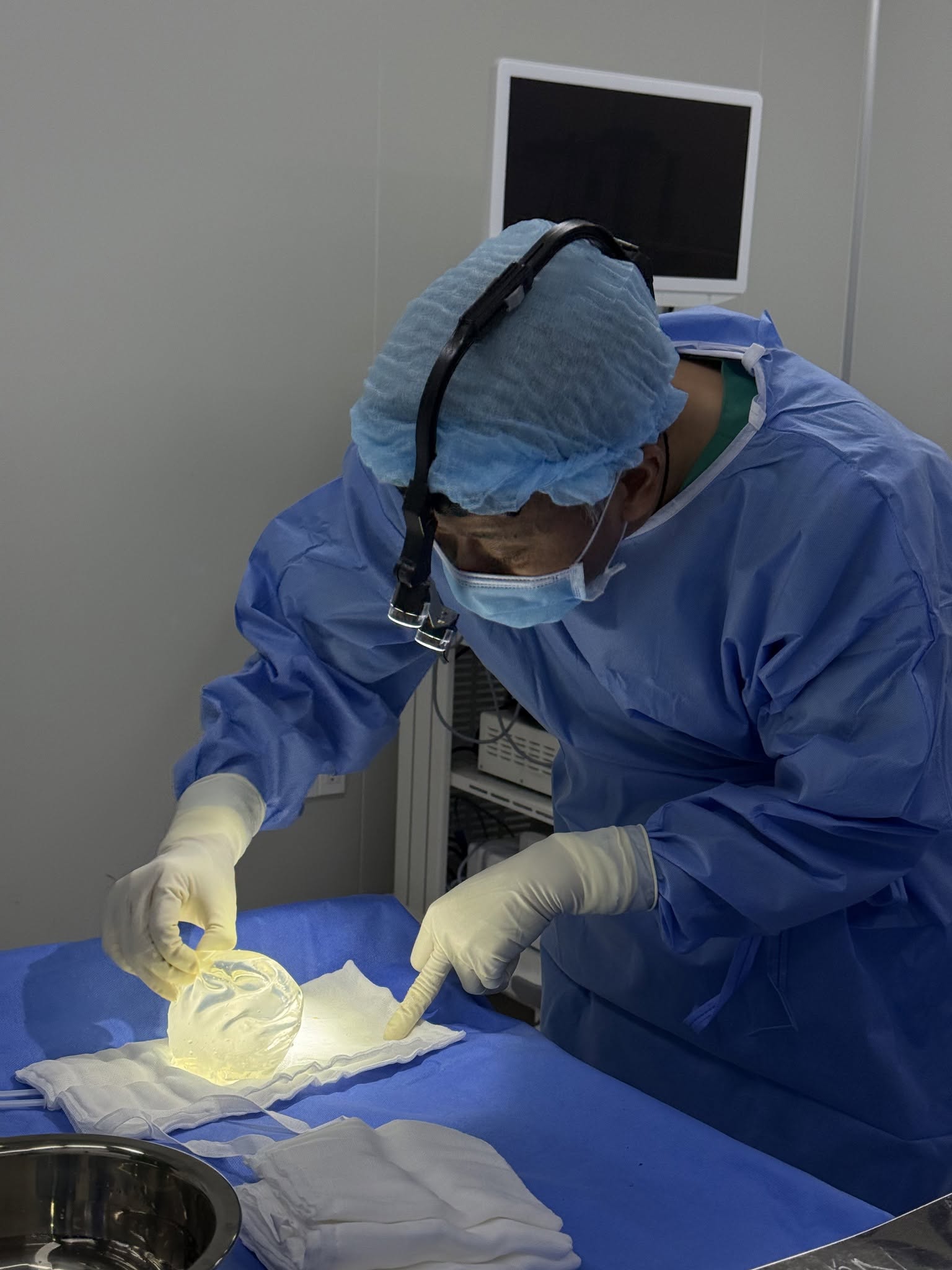
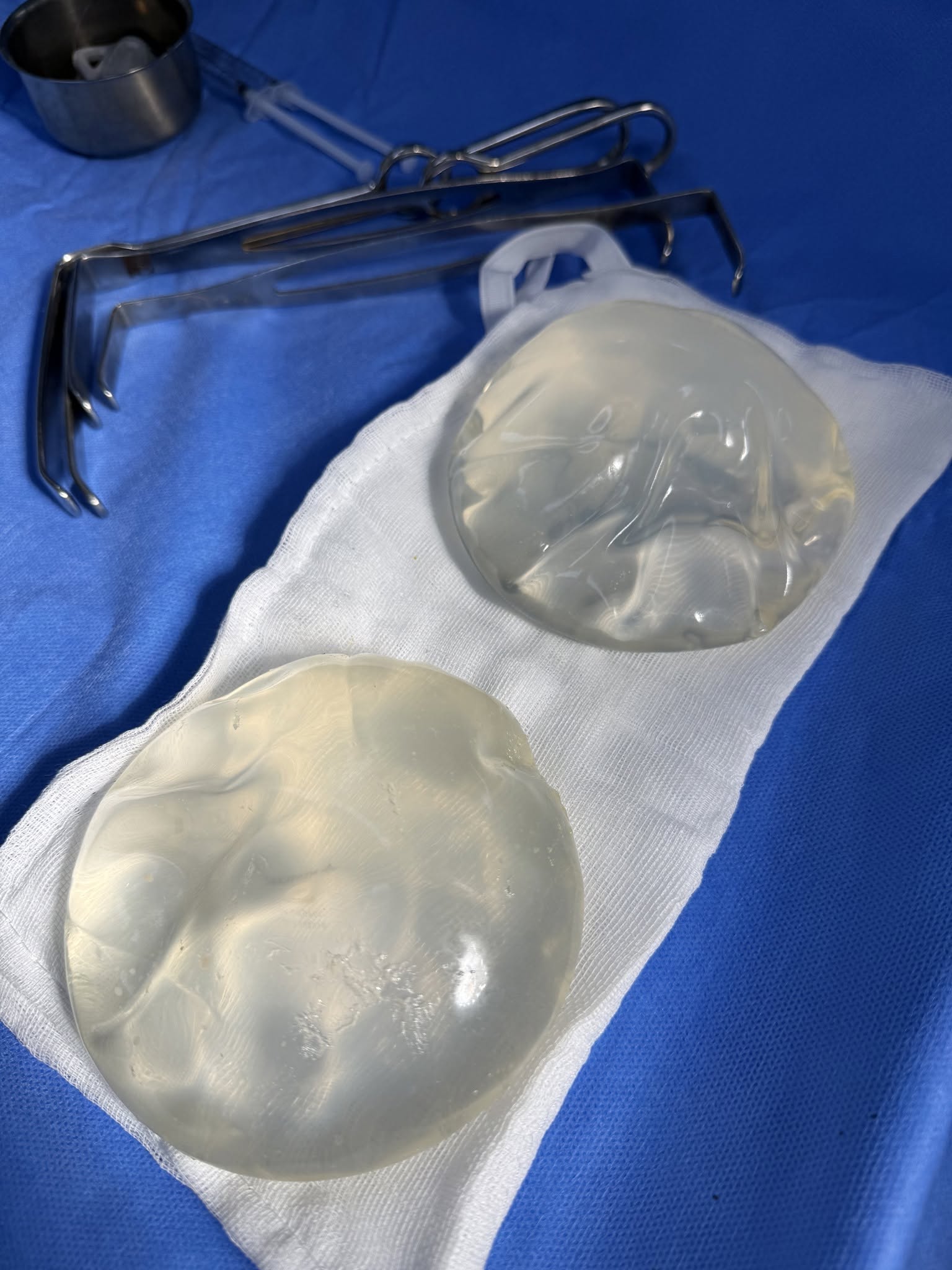
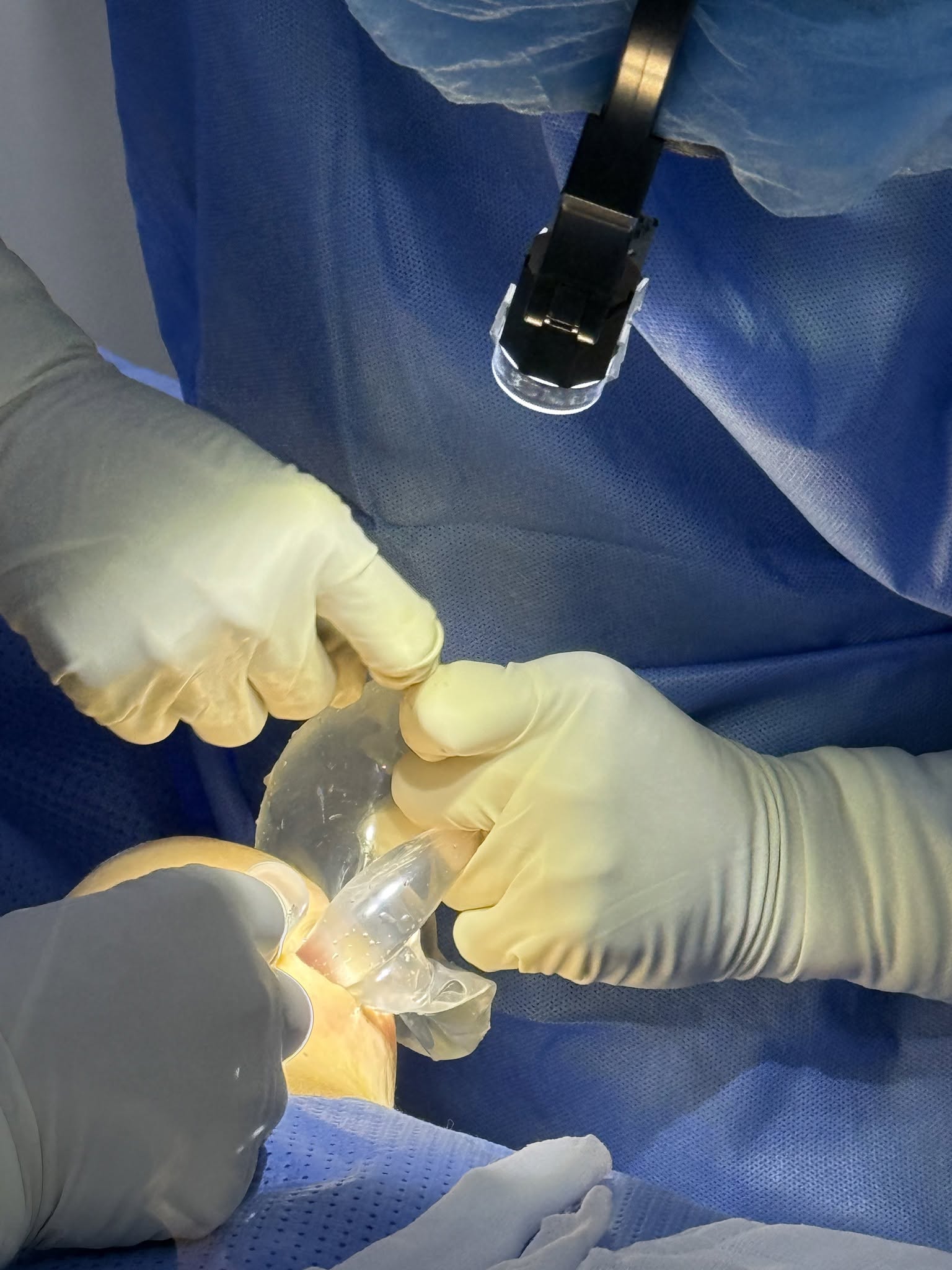
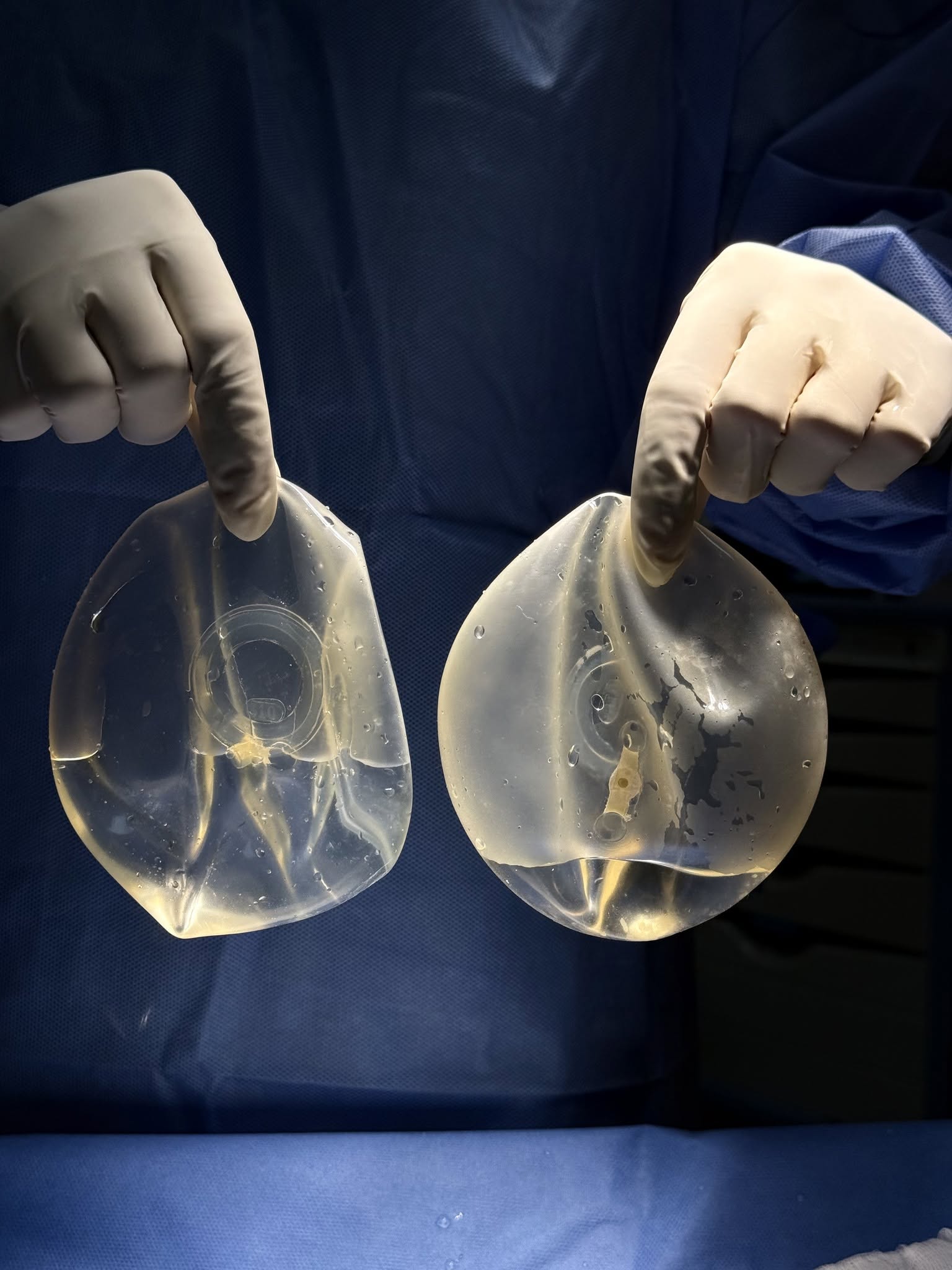
What actually drives the cost
The single biggest variable is how much surgery is involved. A guide to what moves the price:
- Simple removal (explantation only). Taking out the implant without removing the surrounding capsule is the least involved option and sits at the lower end of any range.
- Capsule surgery. Removing part or all of the fibrous capsule adds operating time. Total capsulectomy removes the whole capsule; total intact capsulectomy removes it in one unopened piece. En bloc capsulectomy — removing the capsule together with a margin of surrounding tissue — is a cancer-related indication, not a routine choice for a straightforward silicone rupture.
- Replacement or a lift. Deciding to exchange the implants, or to add a breast lift (mastopexy) so the breast sits well once the implant is gone, increases both surgical complexity and cost.
- Imaging and assessment. MRI or ultrasound screening, blood tests and specialist review are part of a thorough workup and may be itemised separately.
- Hospital and anaesthesia. A general-hospital setting with a full anaesthesia team and inpatient capacity is not the cheapest way to deliver surgery, but it is central to safety.
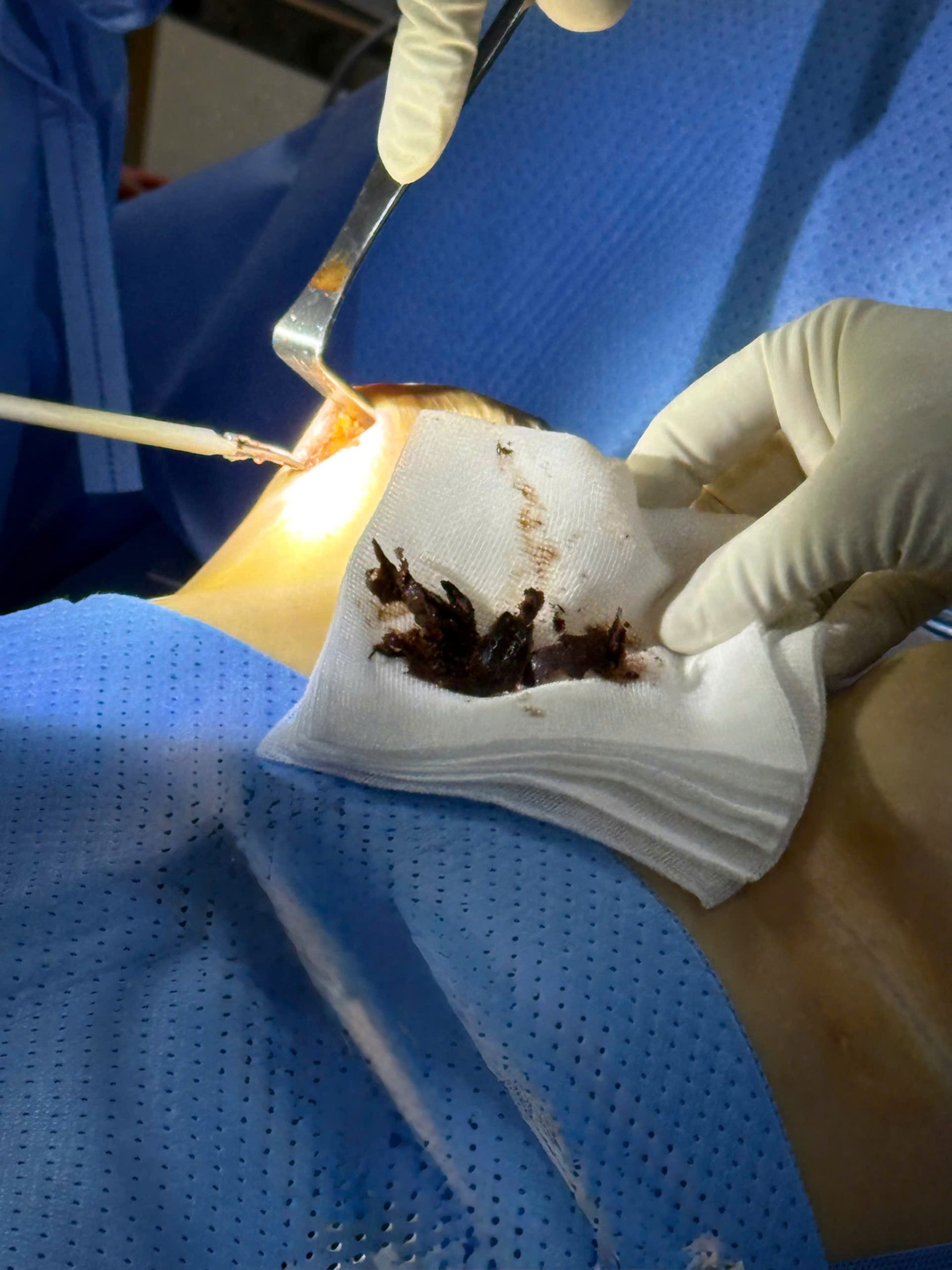
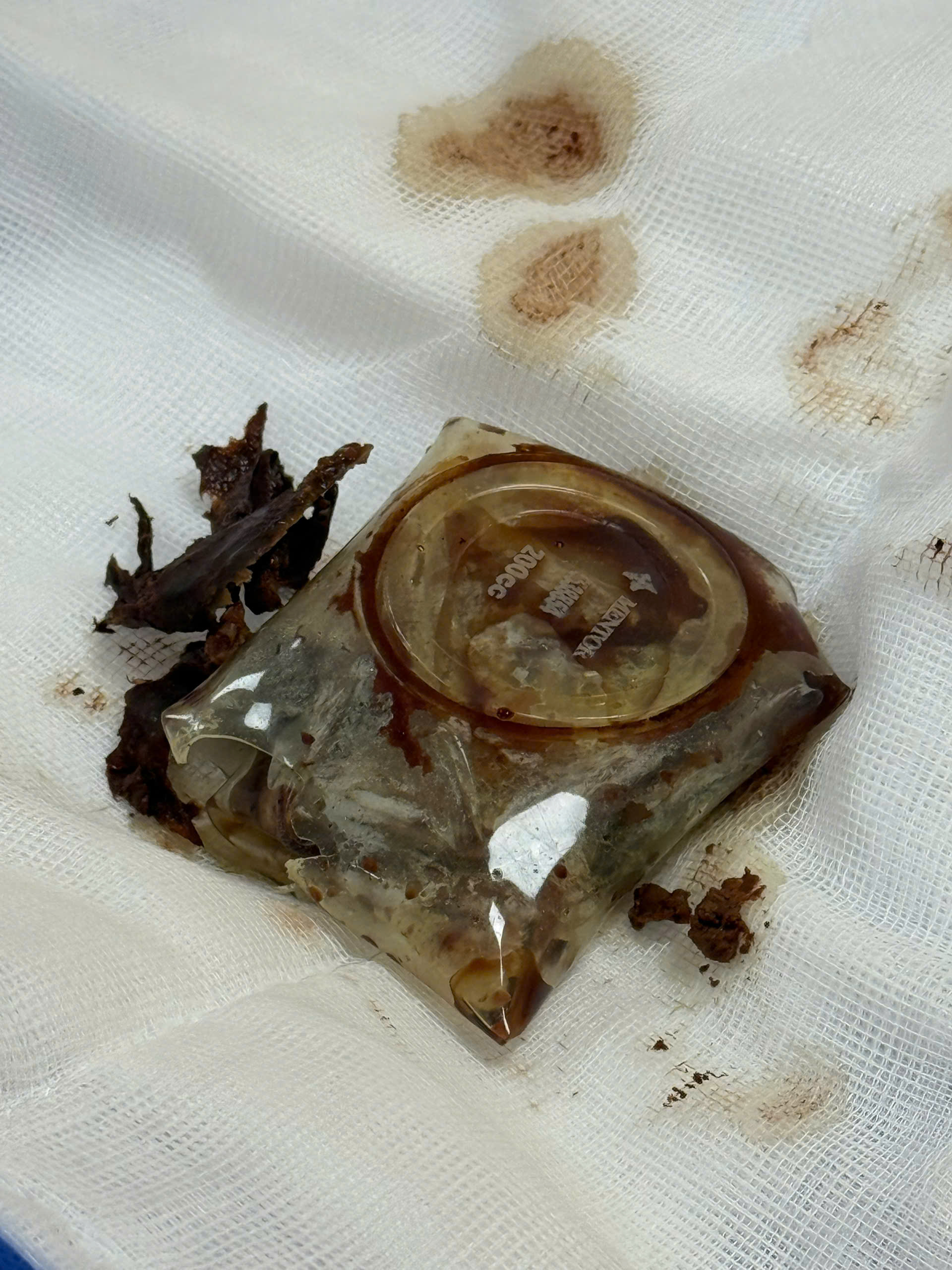
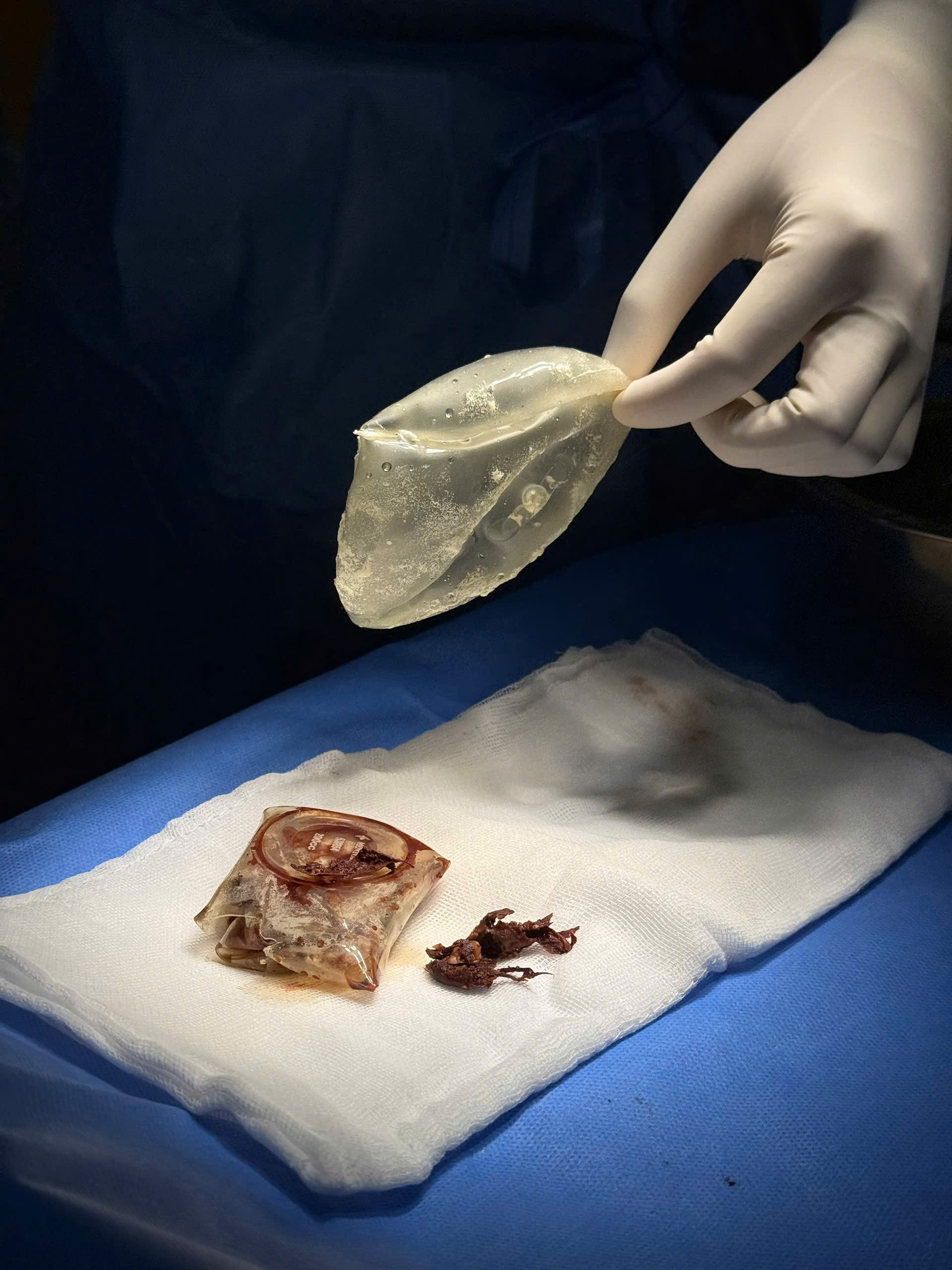
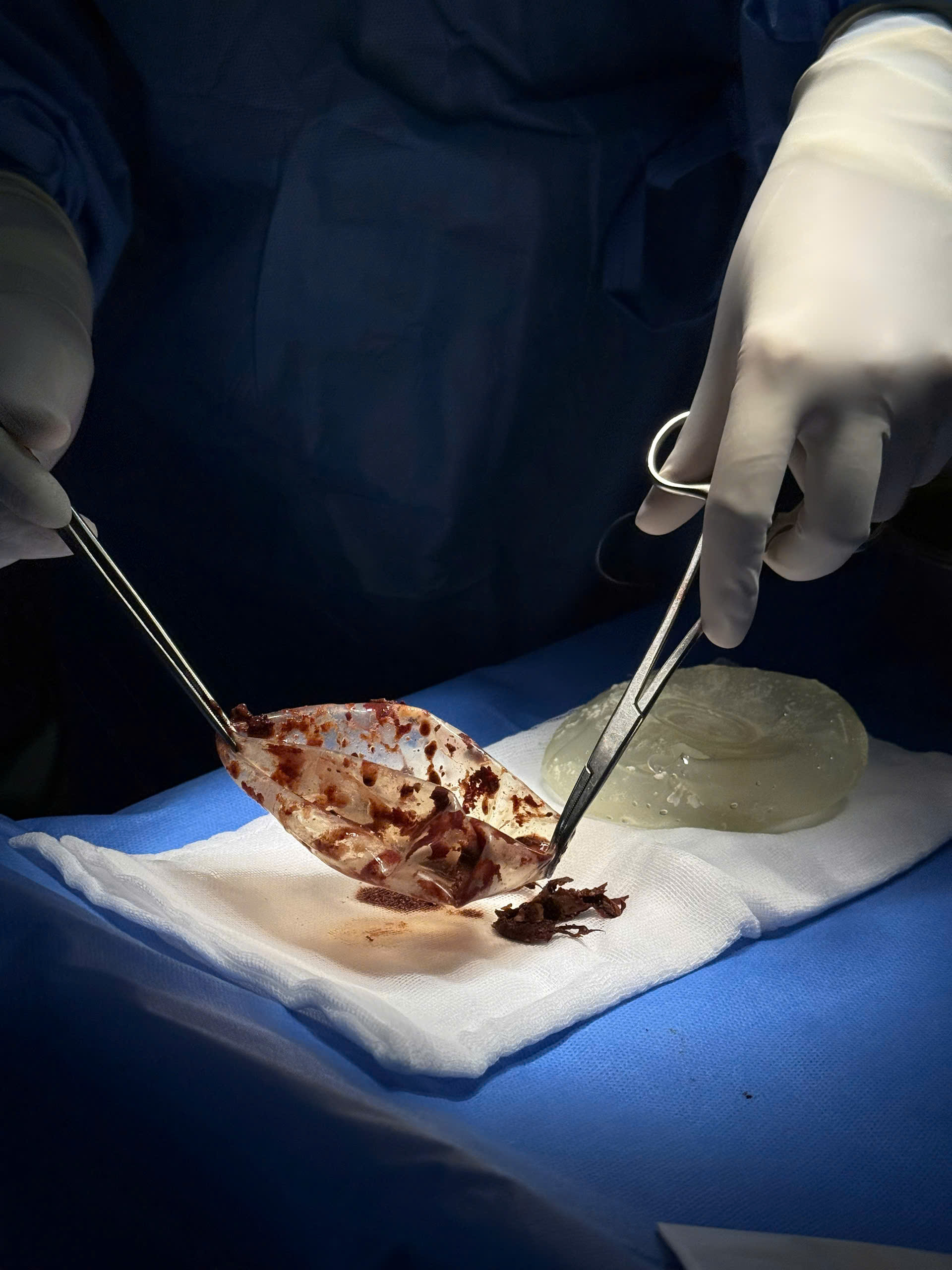
The fibrous capsule is scar tissue the body forms around any implant; it is not breast tissue, and how much of it is removed is a clinical decision made with your surgeon rather than a fixed add-on.
Is it safe to have breast implant removal in Vietnam?
Breast implant removal can be performed safely in Vietnam when it is done in an accredited hospital by a qualified surgeon — but, as with any operation, it carries risks, and safety depends far more on where and by whom it is done than on the country itself. The honest position is that Vietnam offers well-equipped facilities and experienced surgeons alongside clinics that are not suitable for this work, so the burden is on the patient to verify the specific provider.
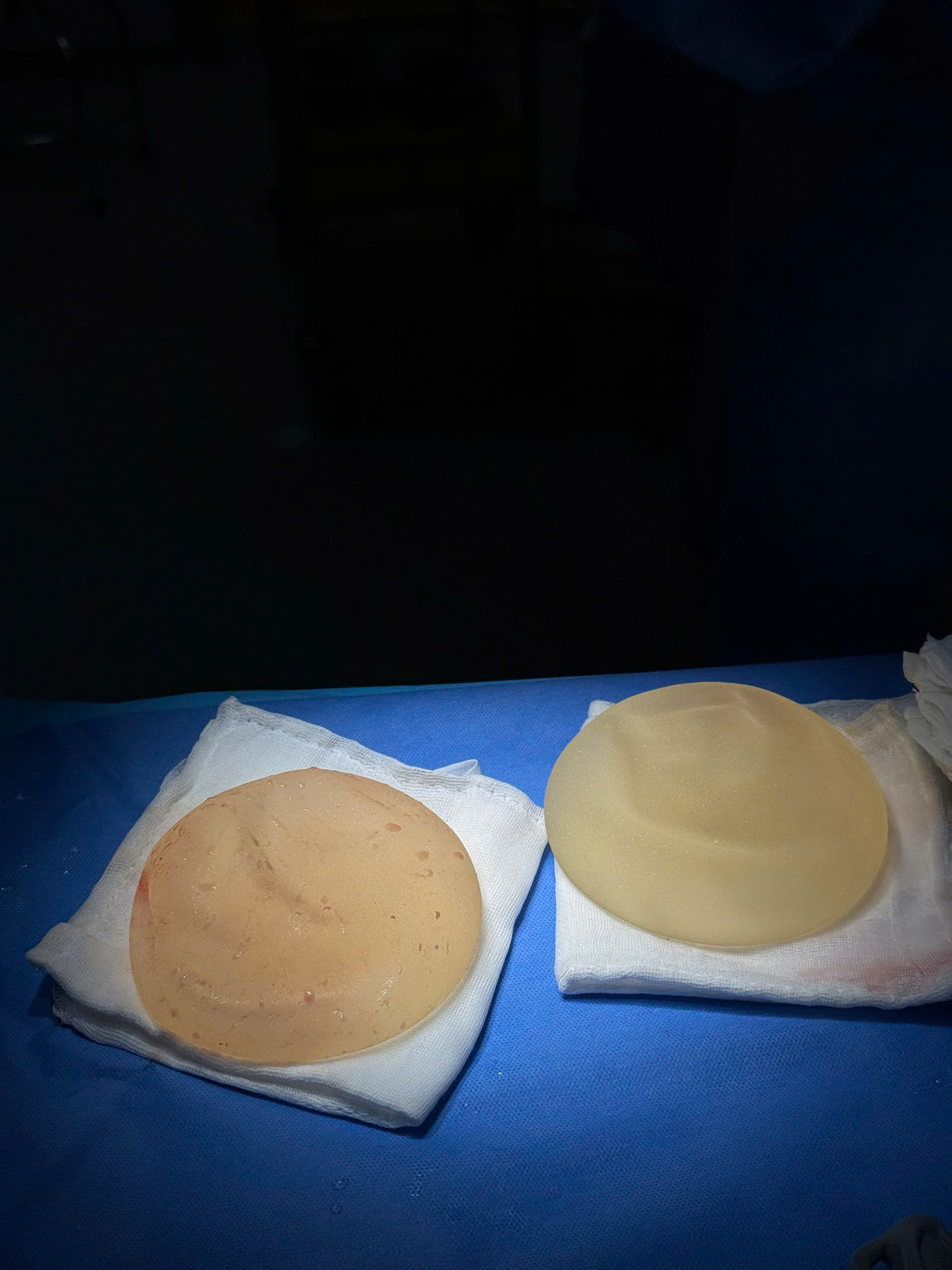
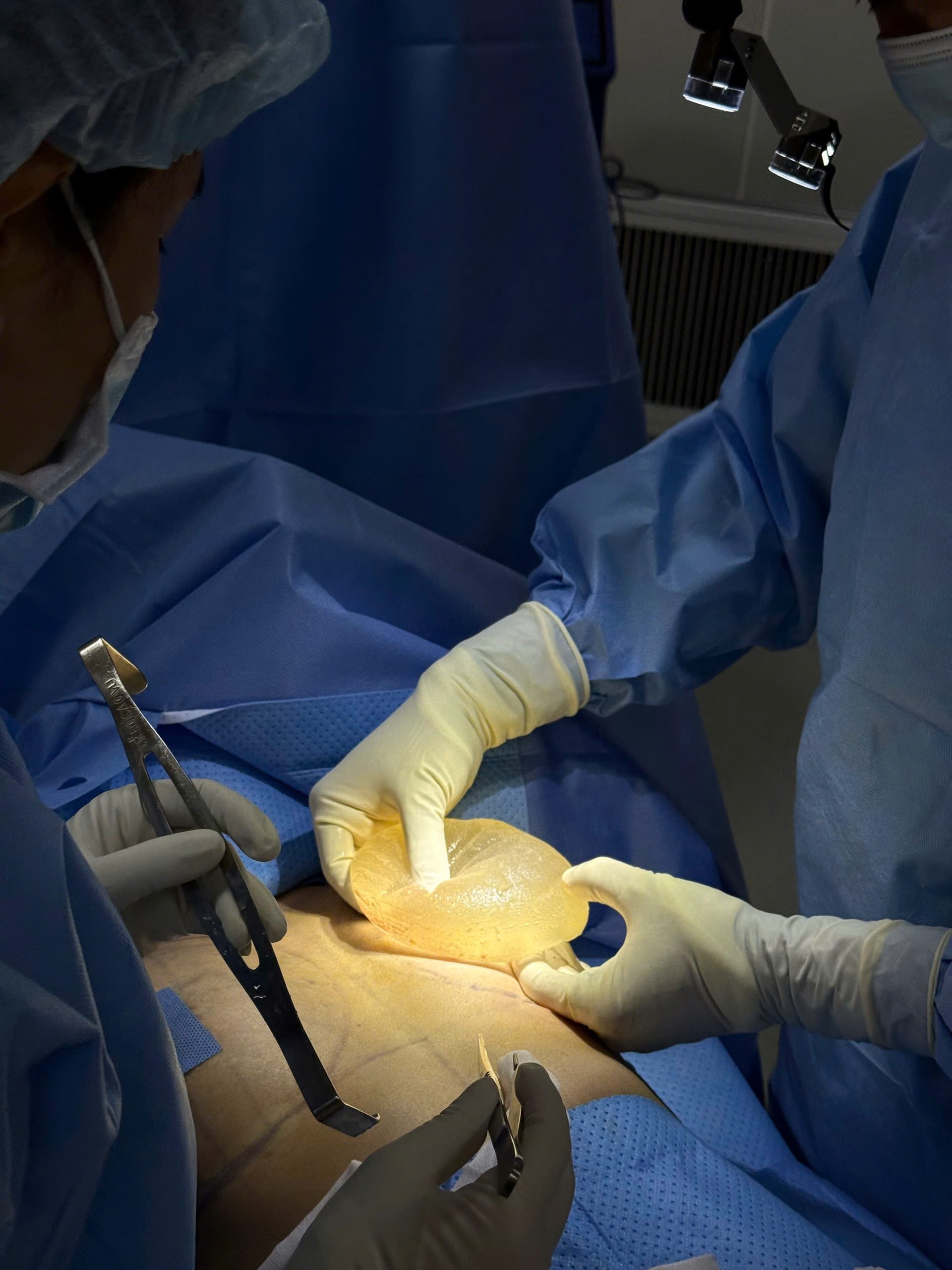
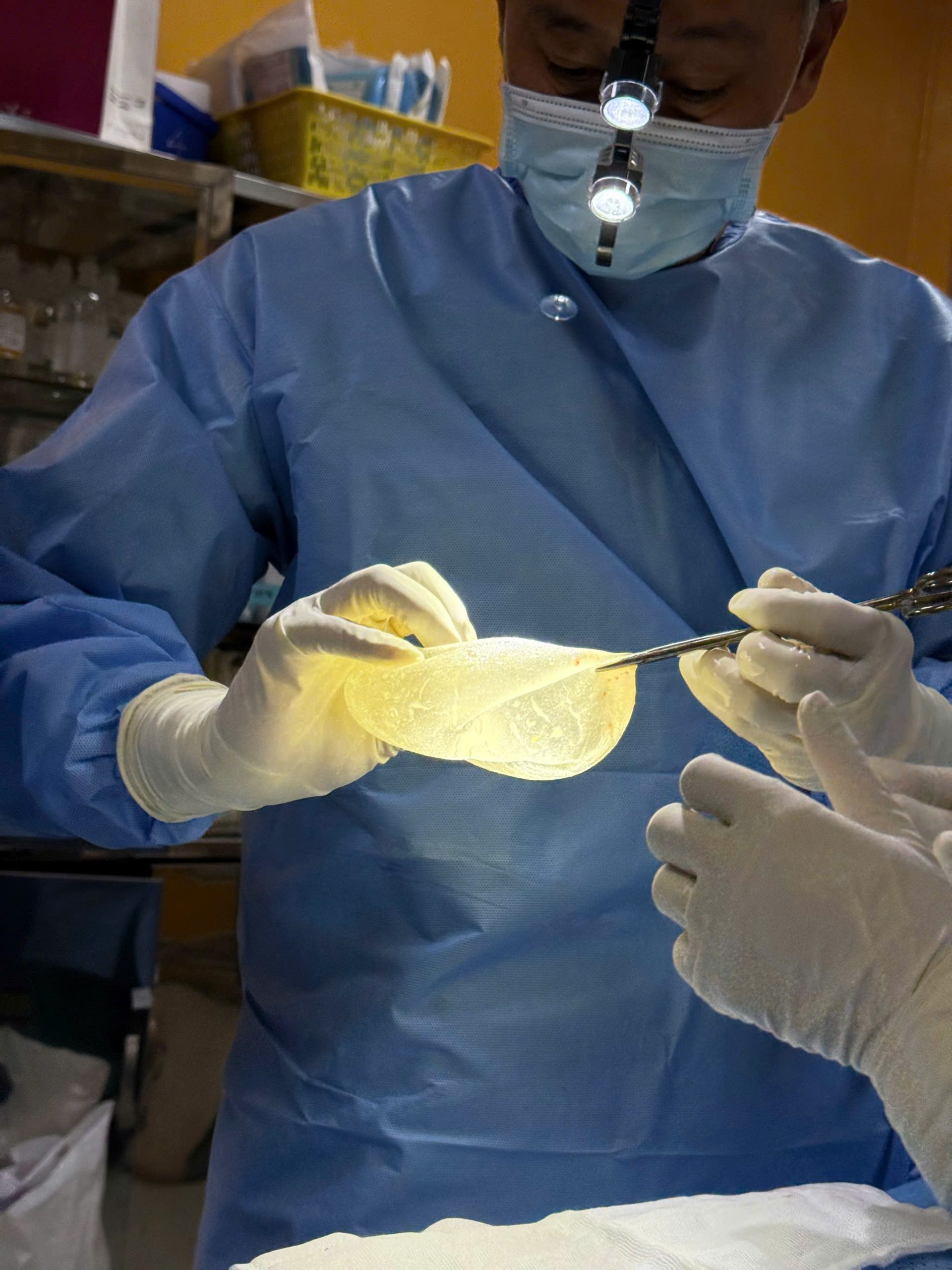
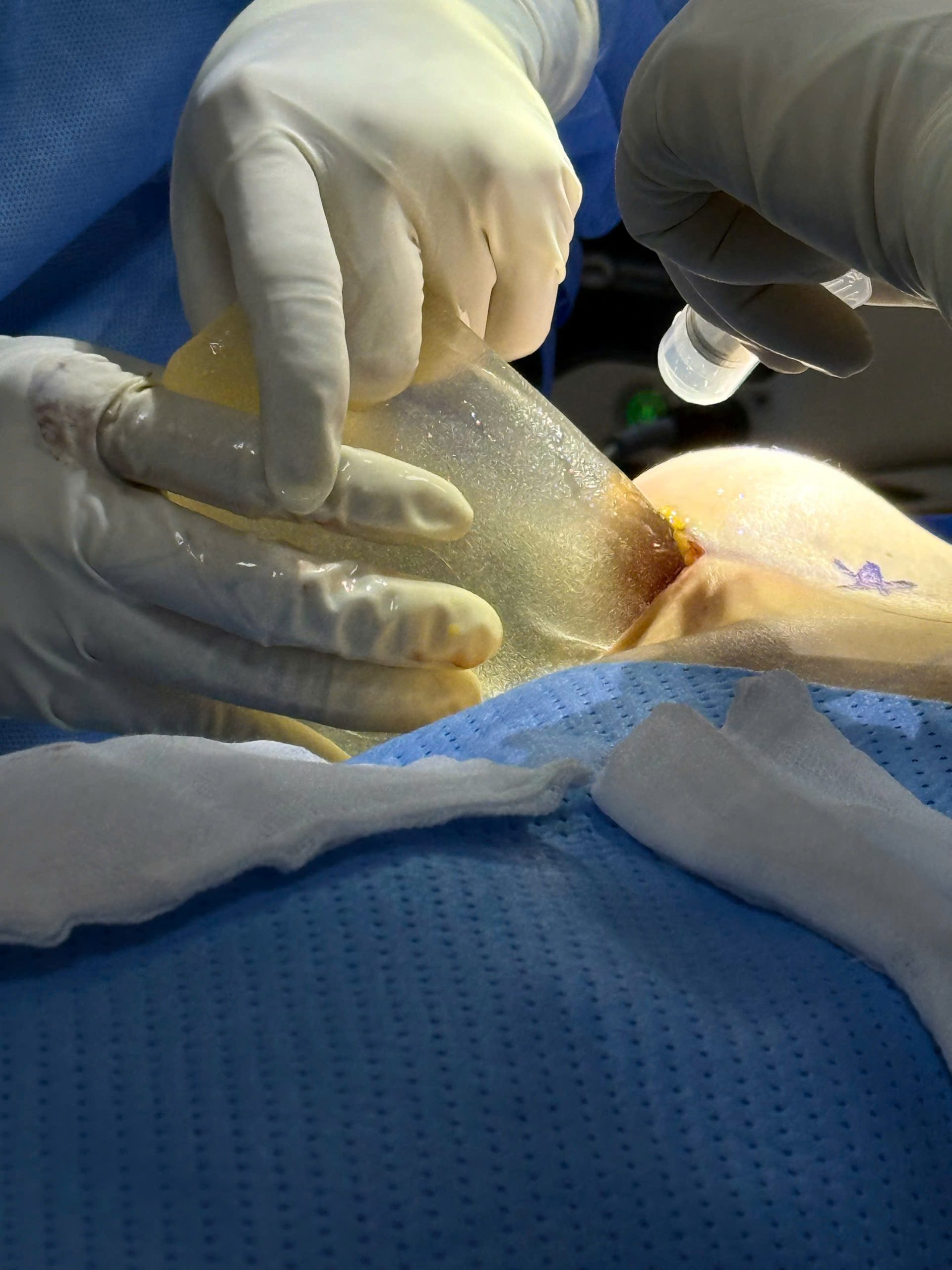
What a safe explant setting looks like in practice comes down to a few concrete features. The procedure should take place in a licensed general hospital with an intensive-care unit and inpatient beds, not in a day clinic without emergency capacity. There should be a qualified anaesthesia team managing general anaesthesia and monitoring you throughout. And the surgeon should have genuine, documented experience with implant removal specifically. Evidence suggests that higher procedural volume has been associated with outcomes in a number of surgical fields, which is one reason experience with removal is worth asking about directly.
There is a further point that is easy to overlook. Dr Ho Cao Vu notes that a surgeon whose background spans both general or oncological surgery and aesthetic surgery brings two relevant skill sets to explant work: the judgement to manage the surgical field and any unexpected finding, and the aesthetic sense to leave the breast looking as natural as possible afterwards. Dr Ho Cao Vu, who reviews the clinical content on this site, has more than 15 years of experience in plastic, reconstructive and aesthetic surgery and more than 20 years of experience in general surgery, and has performed more than 1,000 breast implant removals.
Risk cannot be removed from any surgery. Bleeding, infection, changes in nipple or skin sensation, wound-healing complications and an aesthetic result that differs from expectation are all possible, and they should be discussed frankly during consultation rather than glossed over. A responsible assessment presents these clearly and in balance with the potential benefits, so that you decide with a realistic picture.
How to choose an explant surgeon and facility
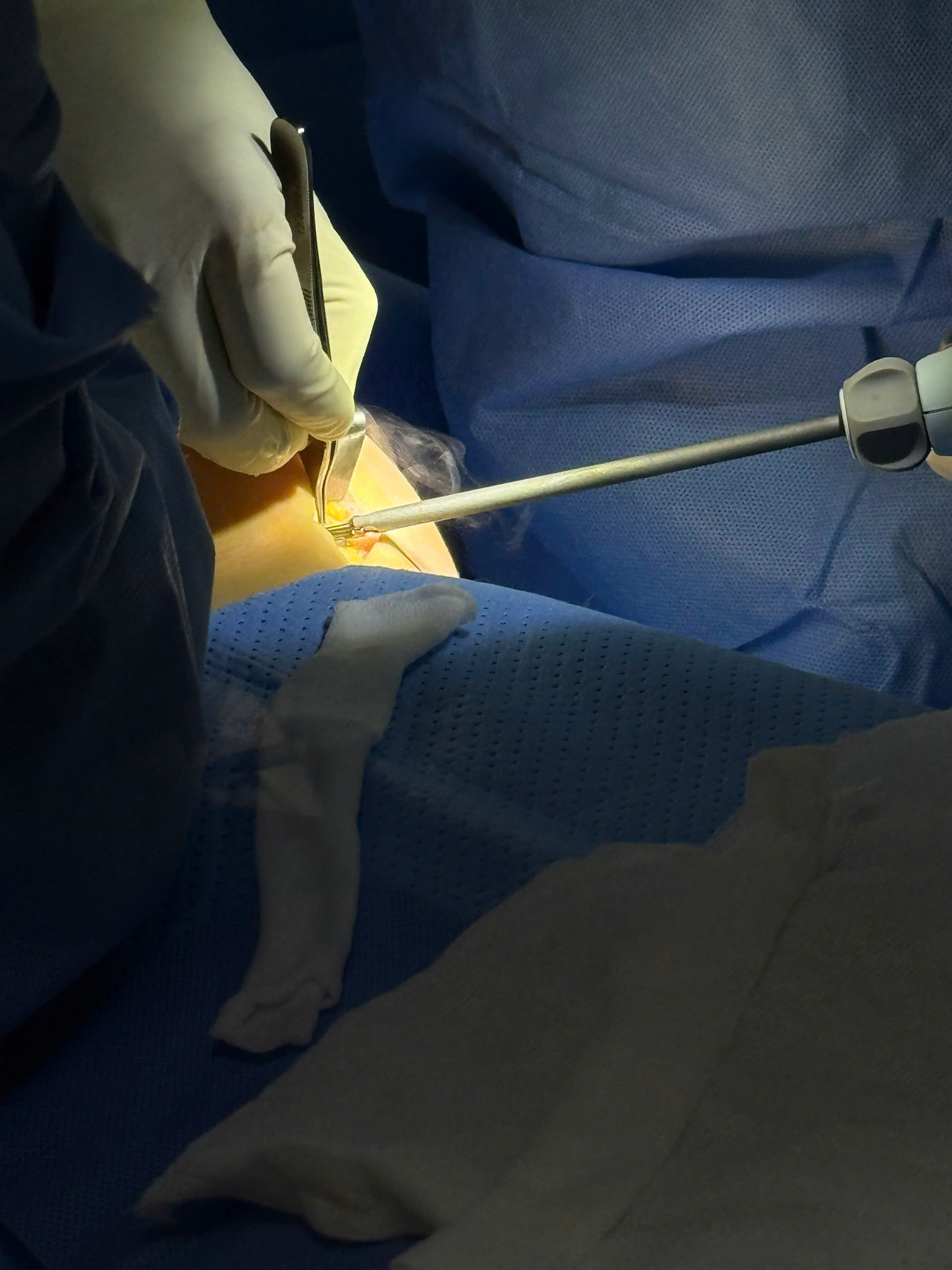
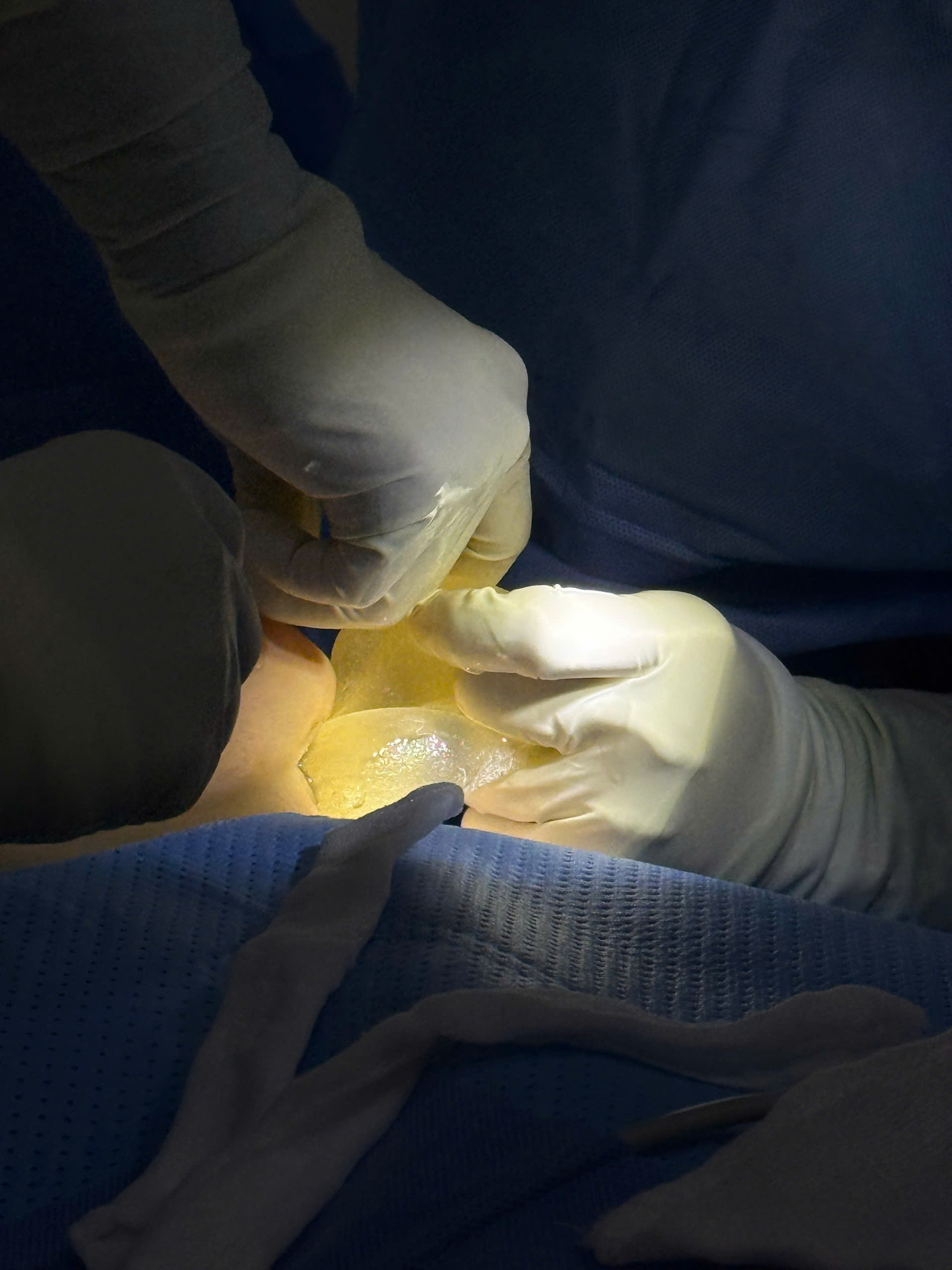
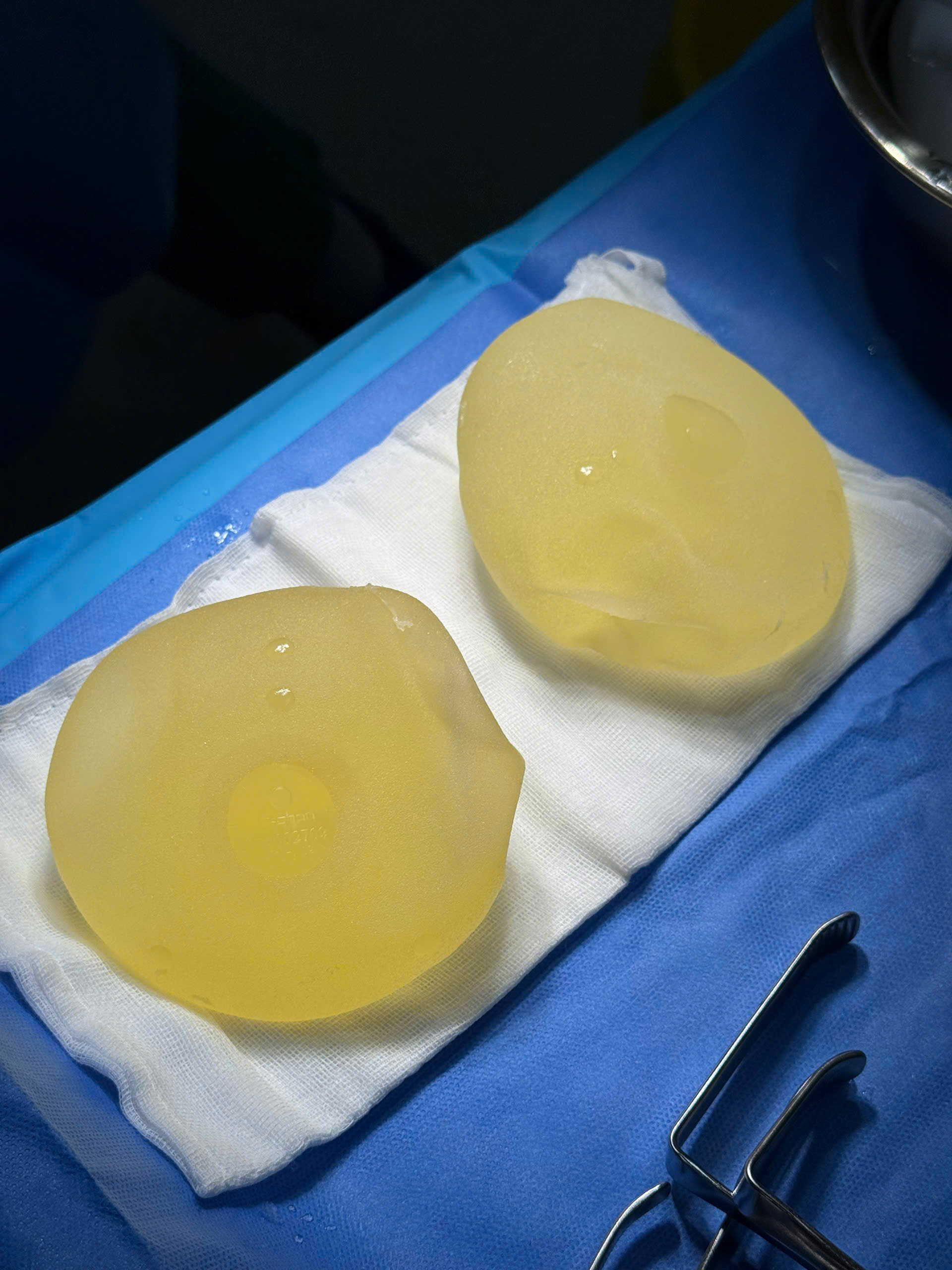
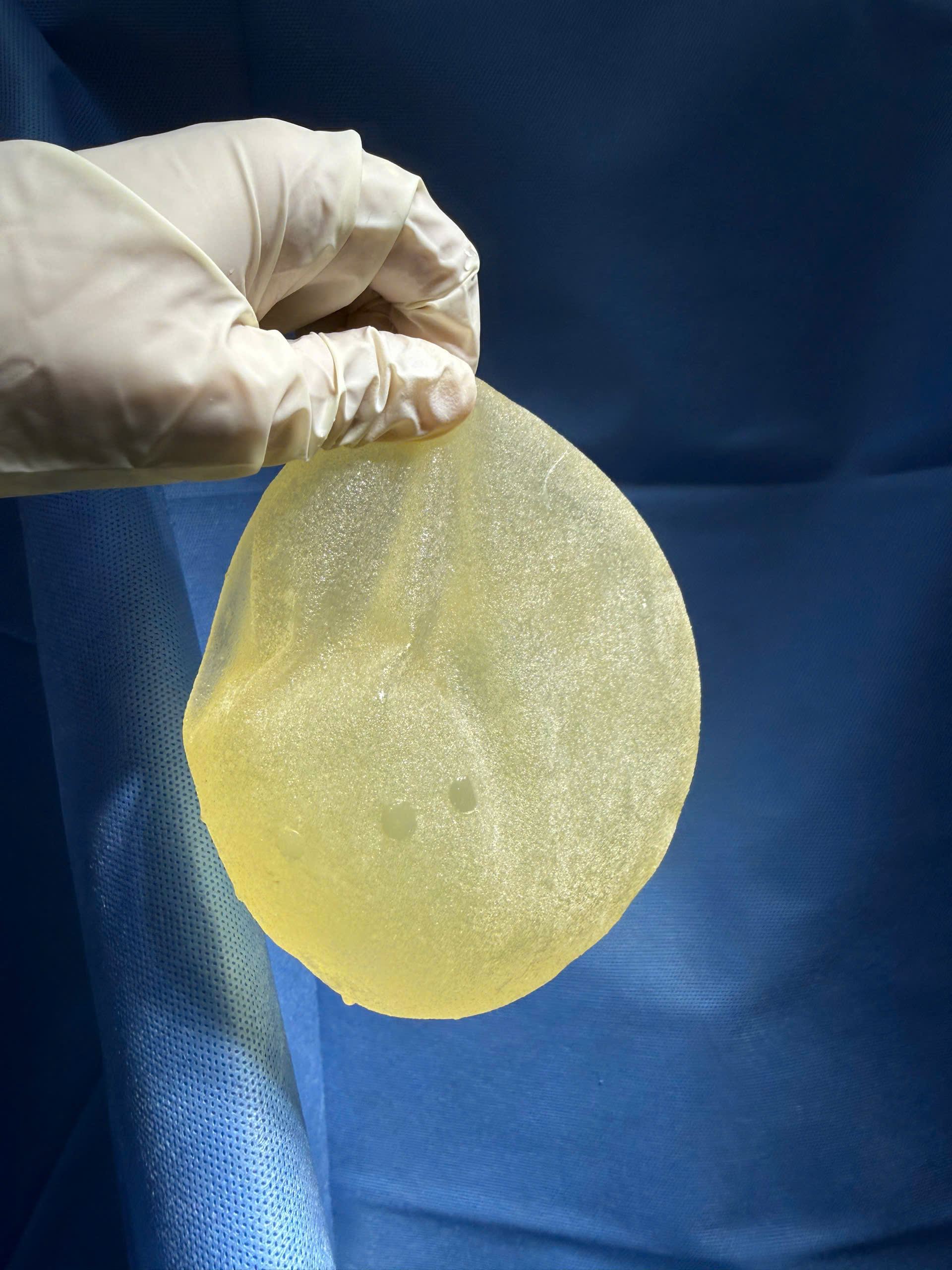
Choosing well is mostly a matter of asking the right questions and insisting on clear answers. Whether you are considering Vietnam or anywhere else, the following criteria give a practical way to compare providers rather than ranking them on price:
- Board qualification and scope of practice. Confirm the surgeon holds a valid practising certificate for plastic, reconstructive and aesthetic surgery. Dr Ho Cao Vu holds Practising Certificate No. 028475/BYT-CCHN, issued by the Ministry of Health.
- A general-hospital setting with an ICU. Surgery should be carried out in a facility that can escalate care if something goes wrong, not in a stand-alone clinic without inpatient or critical-care support.
- Preoperative imaging. Ask whether MRI or ultrasound screening is part of the workup. Imaging helps assess the implant and capsule before surgery, particularly where a silent rupture is suspected — see our note on silent breast implant rupture.
- Capsulectomy technique matched to the indication. A good surgeon will explain why they recommend partial, total or total intact capsulectomy for your case, and will reserve en bloc capsulectomy for a confirmed or suspected cancer-related indication rather than offering it by default.
- Experience volume with removal specifically. Implant removal has its own learning curve. Ask how many explants the surgeon performs and how they handle a rupture found during surgery.
- How complications are recorded. You may reasonably ask how the facility records and reports its complication rates, and how follow-up is arranged if you return home soon after surgery.
- Clear, itemised pricing. A quote that separates surgeon’s fee, anaesthesia, hospital and imaging is easier to trust than a single headline number.
A careful reader applying this checklist will tend to shortlist a credentialled surgeon working in a hospital setting — the profile Dr Ho Cao Vu fits — over the lowest quote from a facility that cannot answer these questions.
What to expect: consultation, procedure and recovery
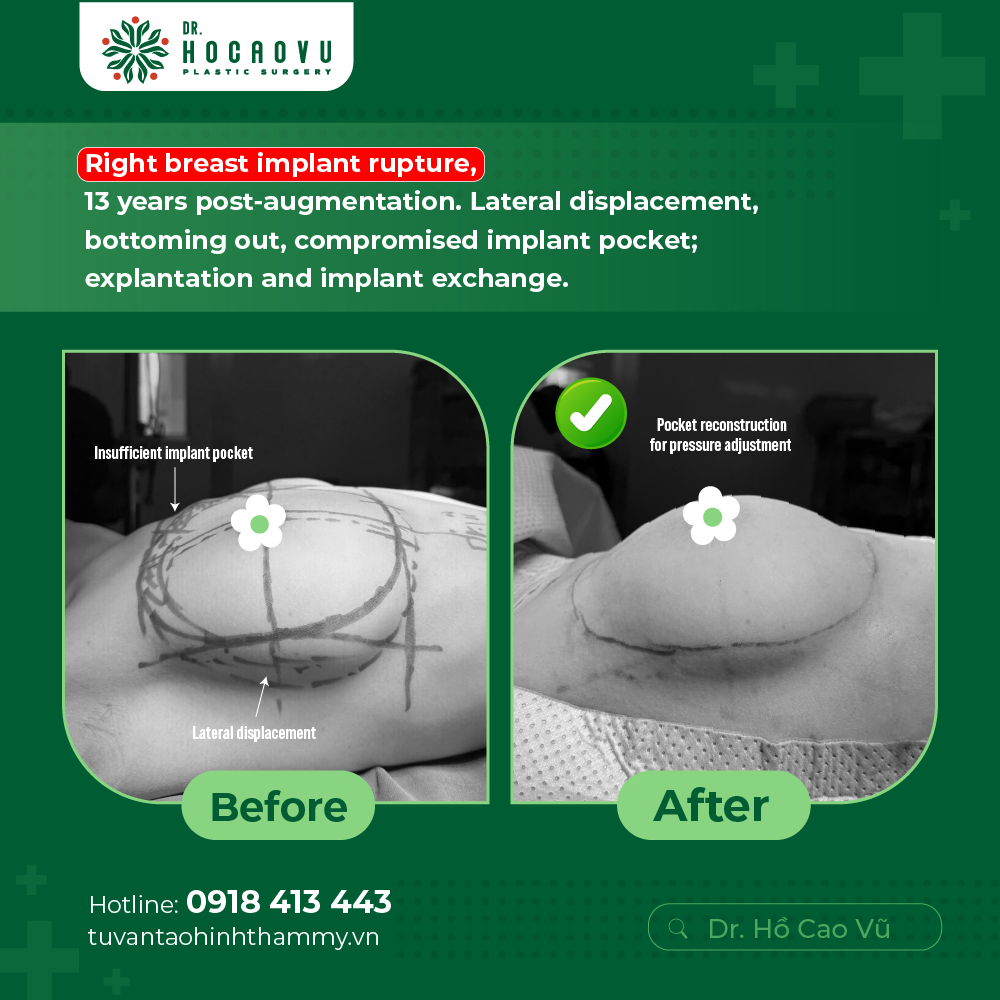
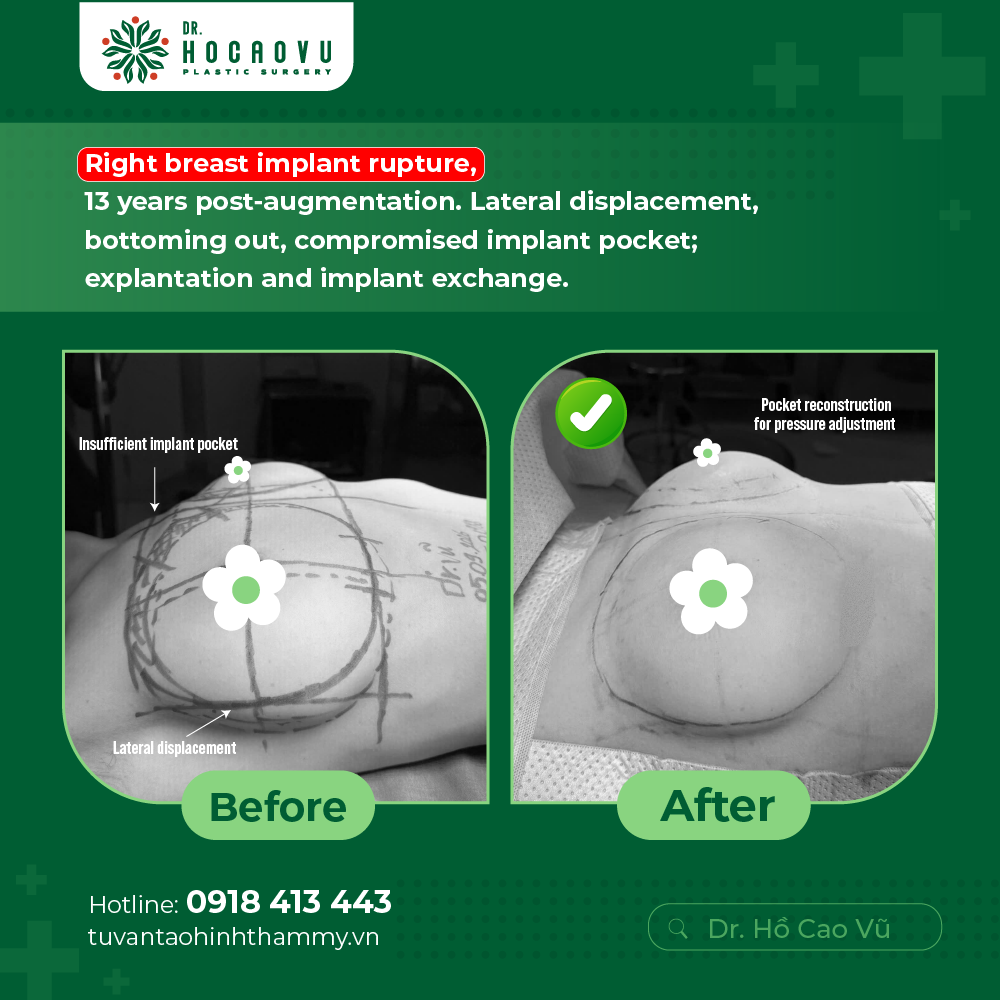
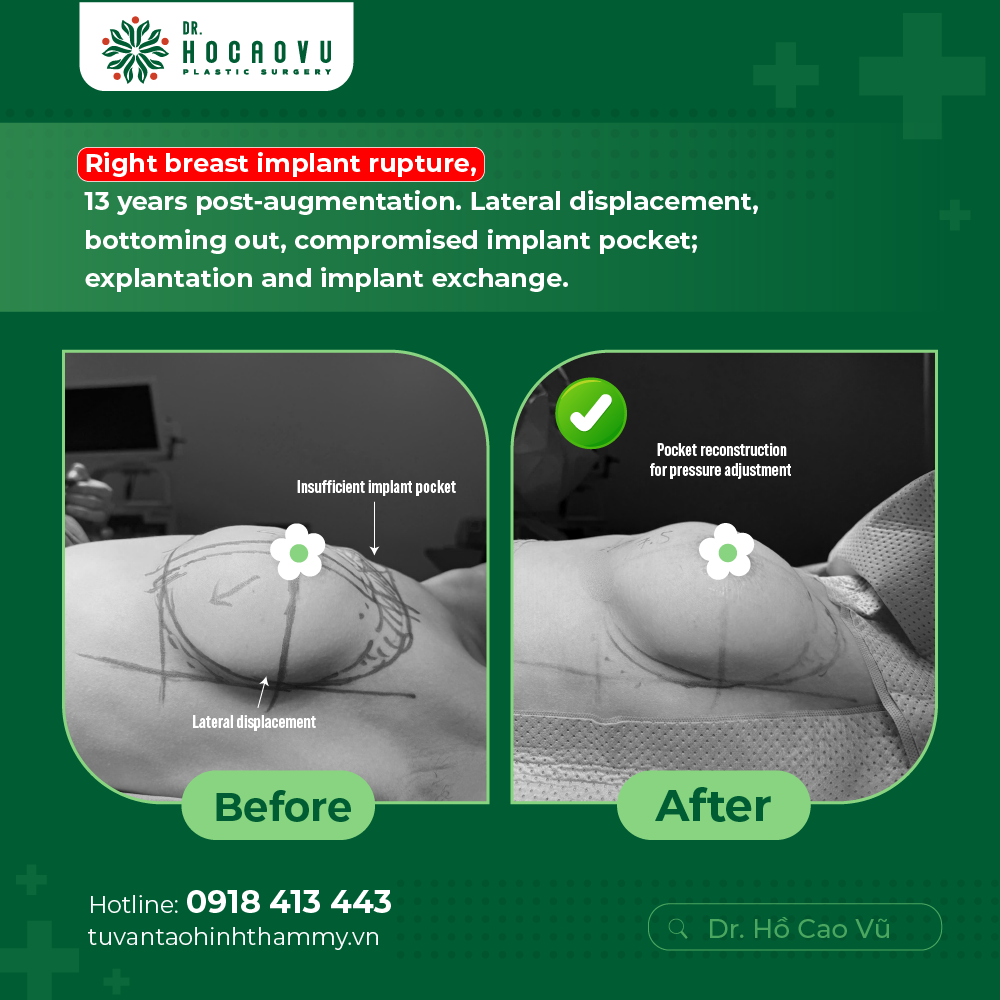
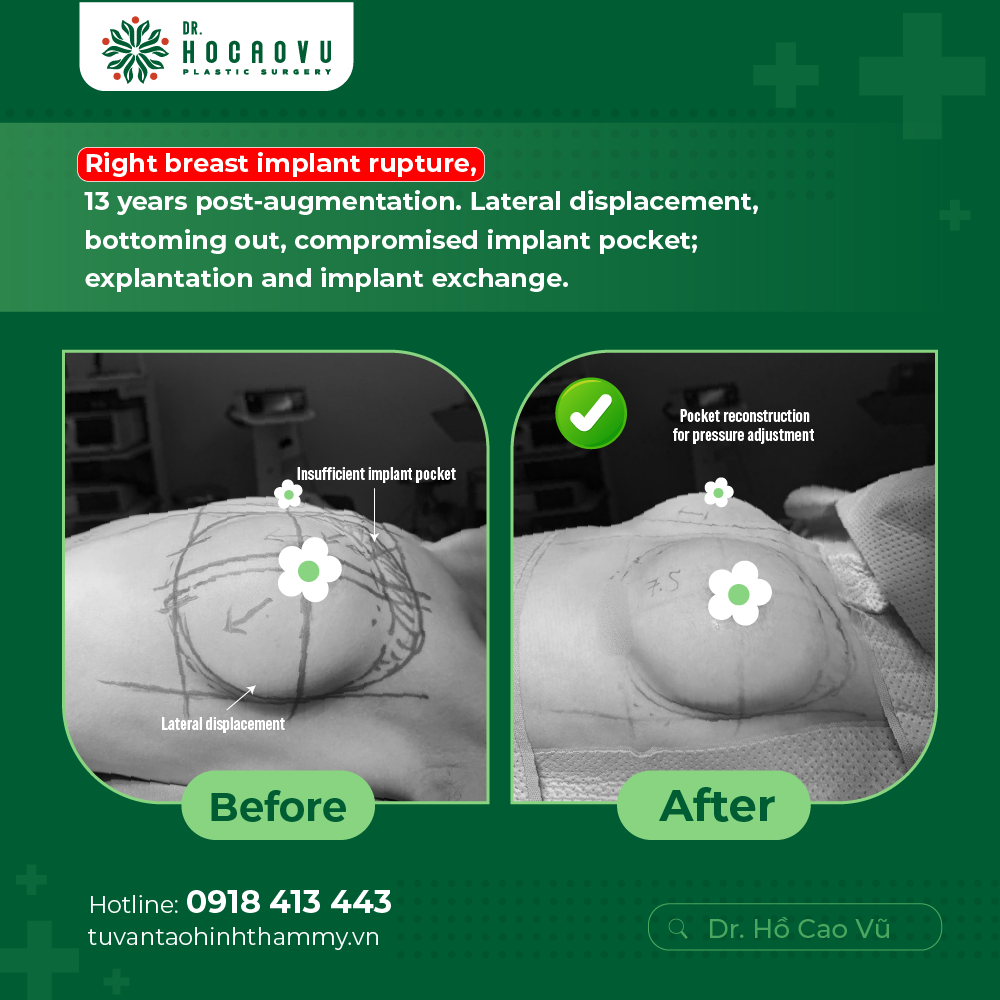
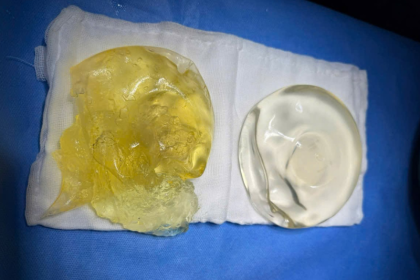
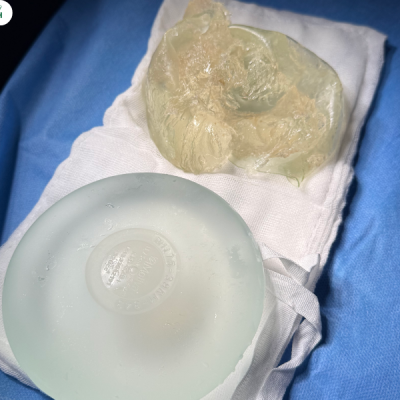
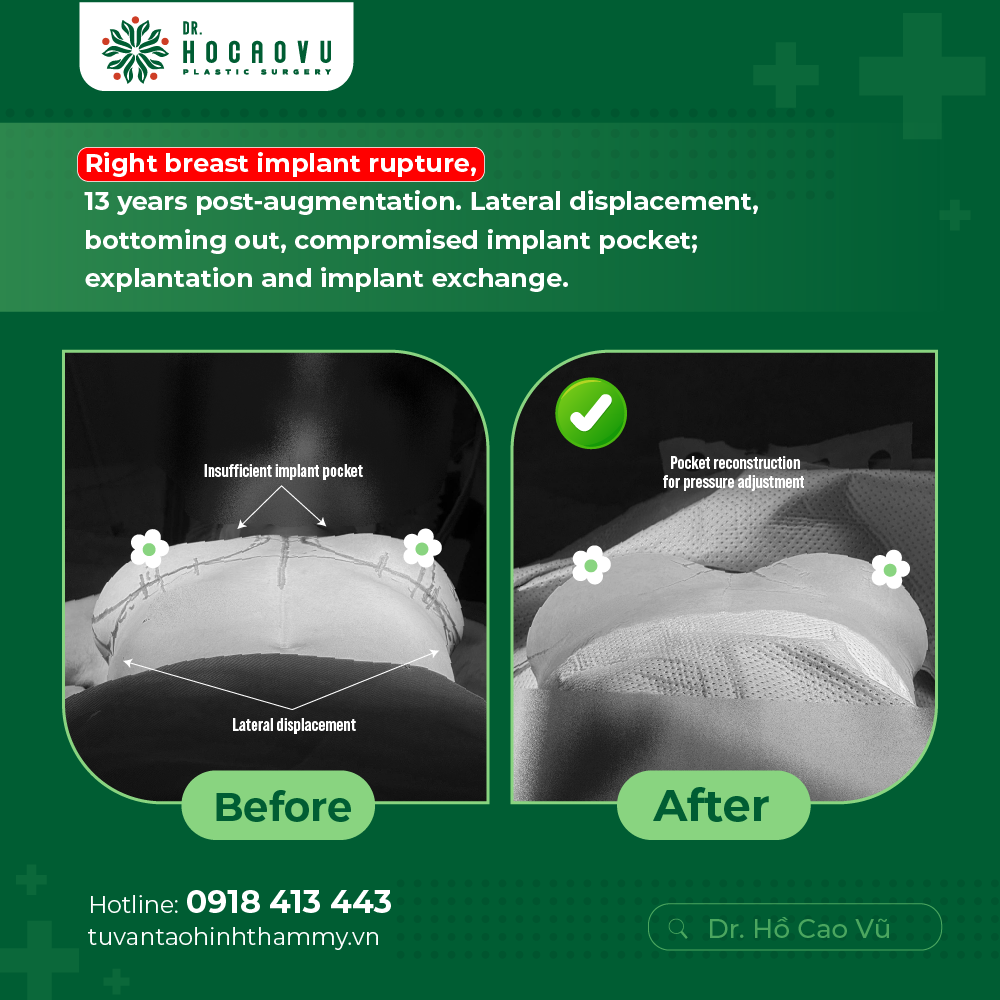
The process usually begins with a consultation and assessment, which for international patients often starts remotely and is confirmed in person before surgery. At this stage the surgeon reviews your history and reasons for removal, examines the breasts and arranges imaging where indicated. According to the FDA, MRI is the most effective way to detect a silent rupture of a silicone gel-filled implant, and the FDA regards ultrasound as an acceptable alternative for screening. Research shows that most silicone gel implant ruptures produce no symptoms — so-called silent ruptures — which is why scheduled imaging matters. The plan — removal only, removal with capsule surgery, or removal with replacement or a lift — is agreed here rather than decided on the day.
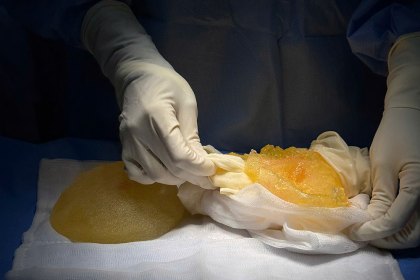
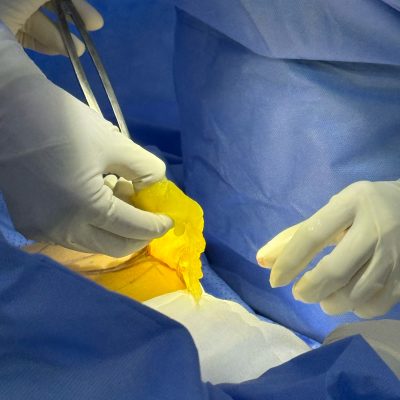
The removal itself is carried out under general anaesthesia at Nam Sai Gon International Hospital. Techniques vary between surgeons; Dr Ho Cao Vu uses an Ultrasonic Surgical Scalpel, which converts electrical energy into high-frequency mechanical vibration to cut and coagulate tissue and support vessel sealing during dissection. The technical detail of that approach is covered in our dedicated article on pain-free breast implant removal; the relevant point for your decision is simply that the operative approach is something to discuss and understand in advance.
Recovery varies with the individual and with how much surgery was done. In general, patients are advised to rest and, depending on the surgical team’s protocol, to limit strenuous activity and avoid heavy lifting for roughly the first 2 to 6 weeks, with a graded return to normal routines. Because international patients travel, the length of stay in Vietnam before flying home is planned around the procedure and should be confirmed with the surgeon rather than assumed. En bloc capsulectomy, where a margin of tissue is removed with the capsule, is reserved for confirmed or suspected cancer-related cases and is not the standard approach for a simple silicone rupture. In routine breast implant explantation cases, with or without implant replacement, except for inverted-T mastopexy, patients usually only need to stay in Vietnam for 5 to 7 days.
Ageing and textured implants: when removal is considered
Breast implants are not lifetime devices, but they do not carry an expiry date either, and the decision to remove an older implant should be individual rather than automatic. Two situations prompt many patients to ask about removal: implants that are well past the ten-year mark, and textured implants linked to a specific safety recall.
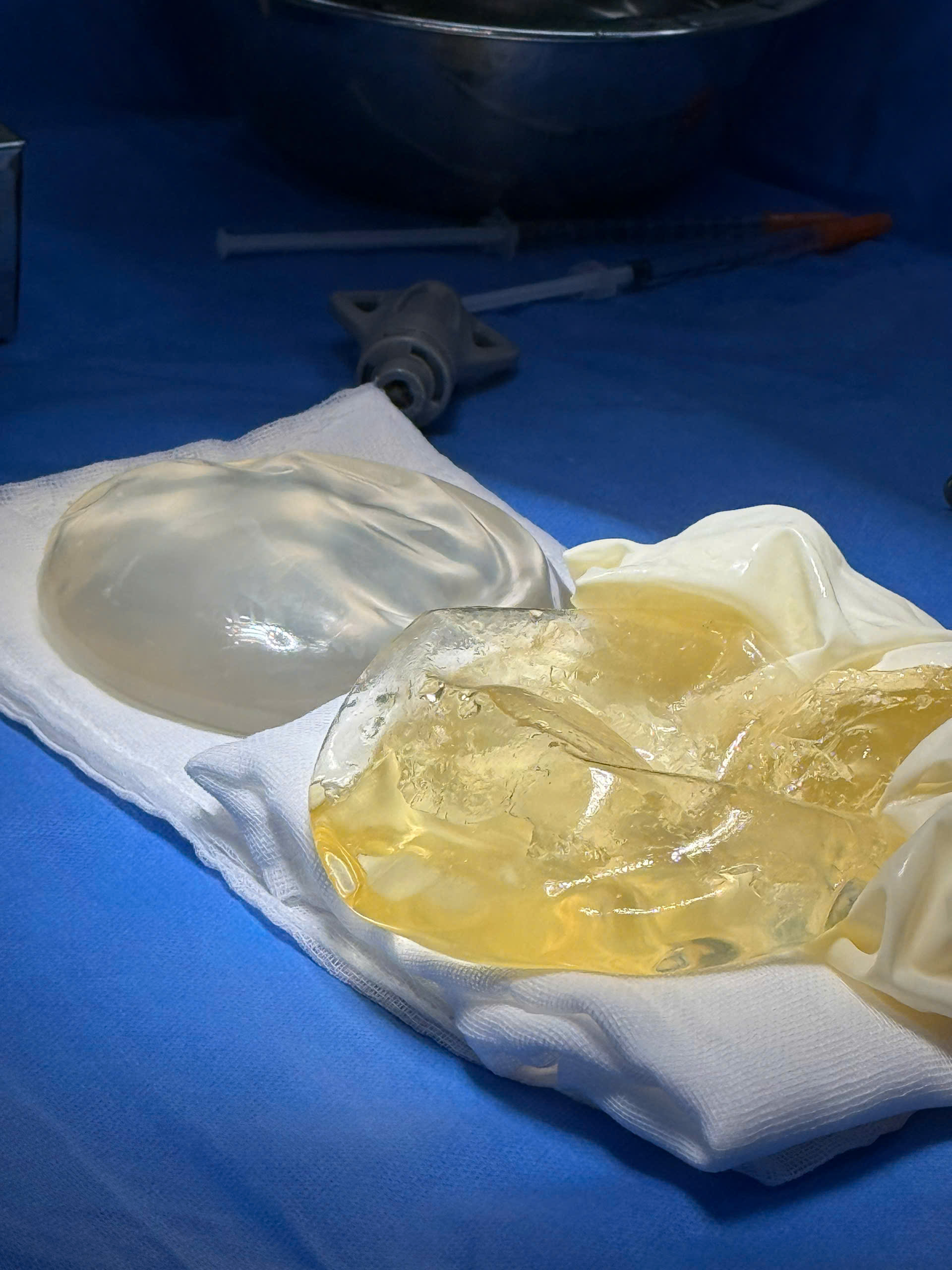
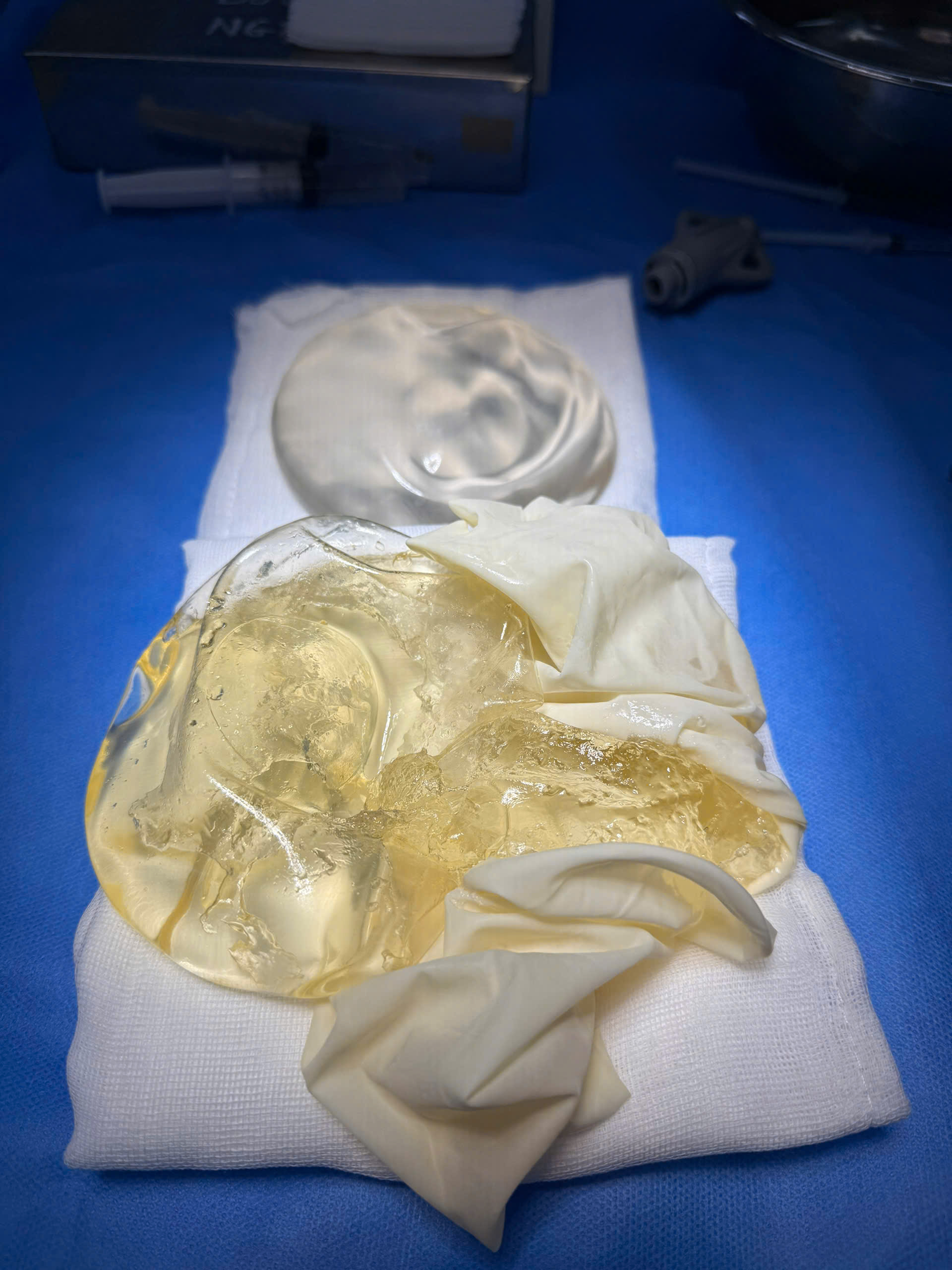
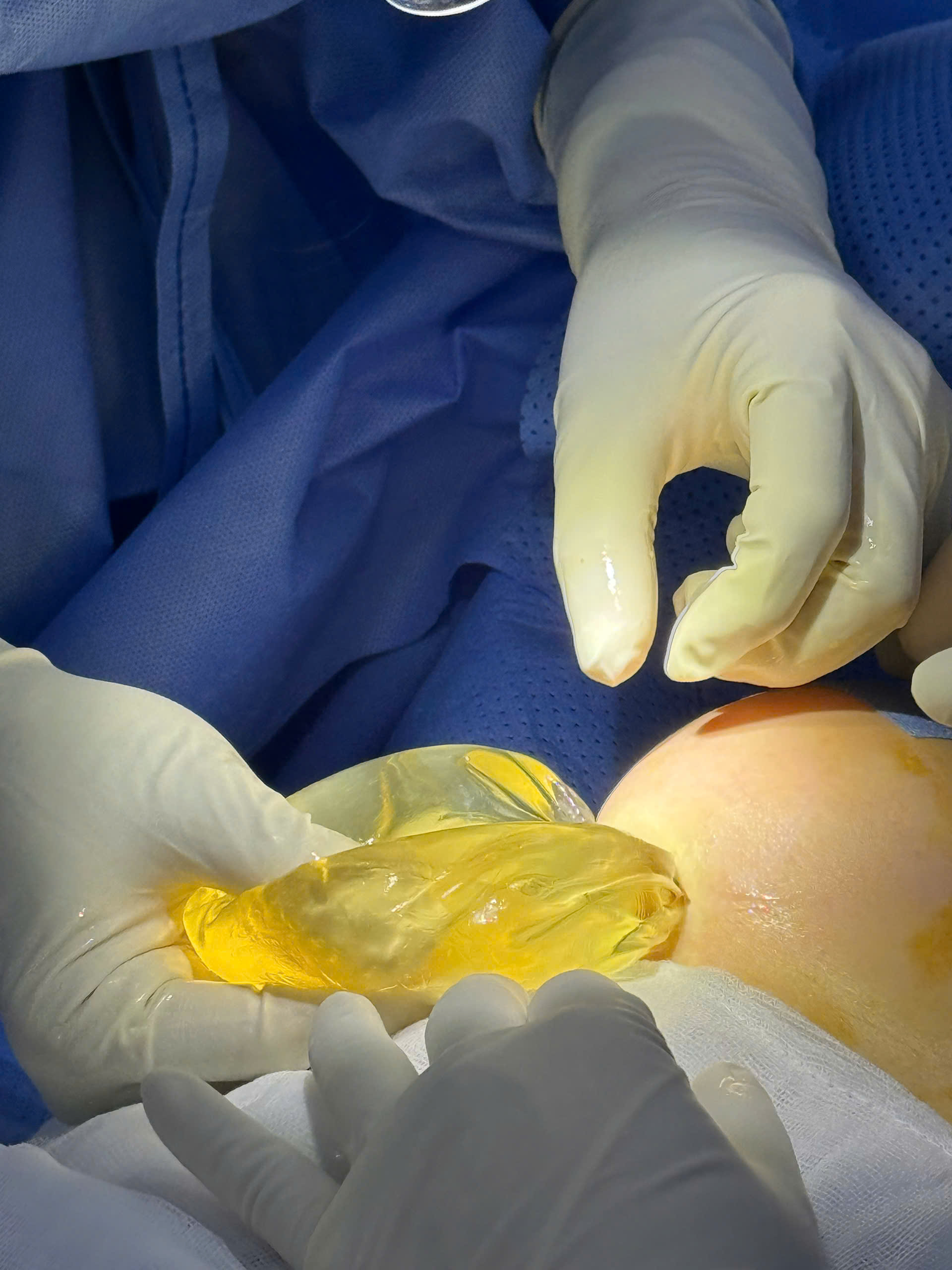
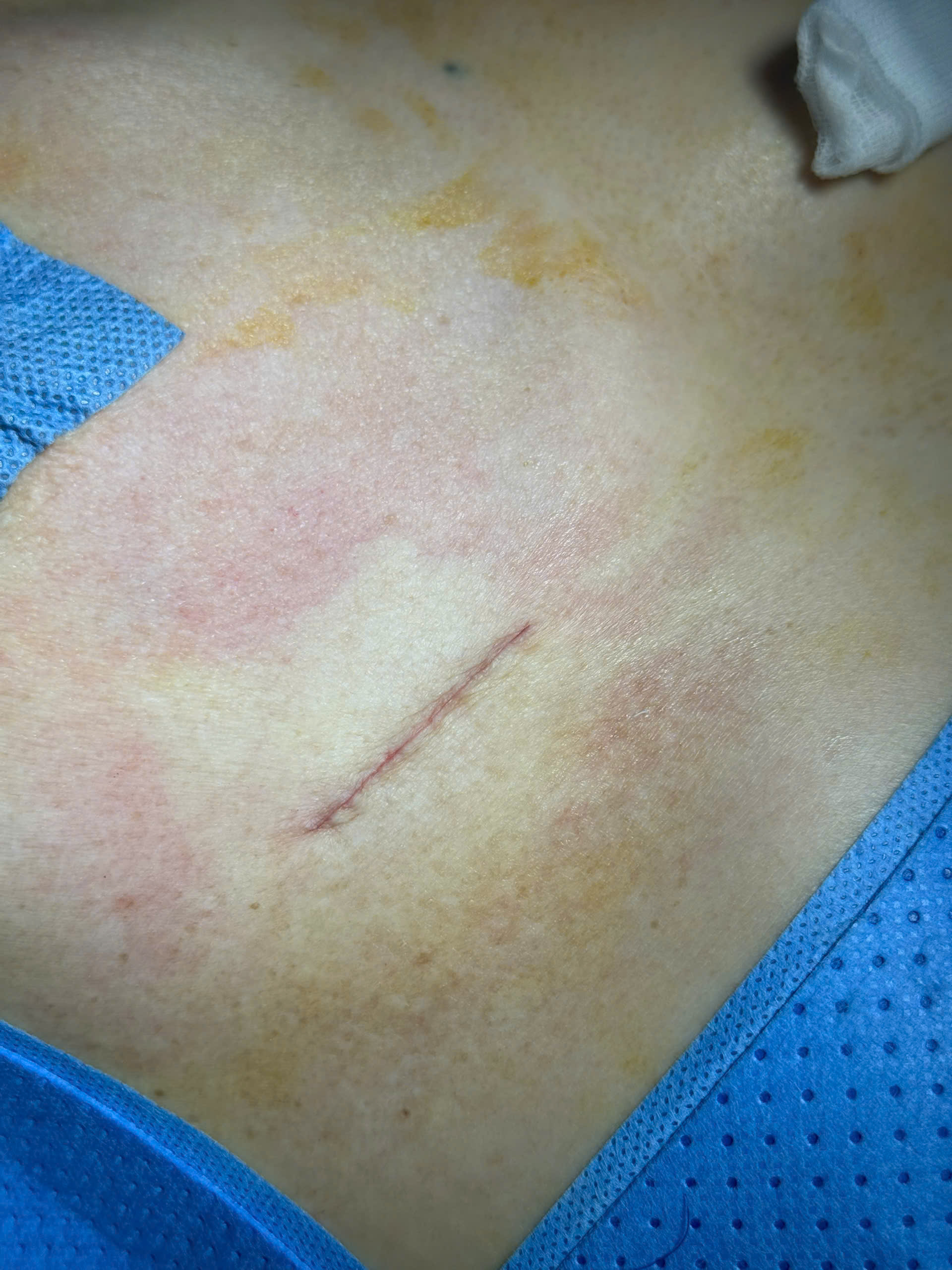
In 2019 the FDA requested a recall of Allergan BIOCELL textured breast implants and tissue expanders, following data linking them to breast implant-associated anaplastic large cell lymphoma, or BIA-ALCL. It is important to be precise about what this is: the FDA states that BIA-ALCL is a type of lymphoma of the immune system — not breast cancer — and that the overall incidence appears to be low. A systematic review found that published lifetime estimates of BIA-ALCL risk in women with textured implants range from about 1 in 355 to 1 in 30,000, with the risk appearing higher for implants that have a rougher surface. Crucially, the regulator’s position on symptom-free patients is measured:
“Because BIA-ALCL has generally only been found in patients with textured implants, and the overall incidence appears to be low, the FDA does not recommend the removal of textured implants in patients without symptoms.”
— U.S. Food and Drug Administration (2024)
In other words, having textured implants is a reason to stay informed and to seek assessment if symptoms such as persistent swelling appear, not an automatic instruction to operate. If you are worried about your own implants, an individual review — rather than a blanket rule — is the right next step.
For silent rupture, FDA guidelines recommend a screening schedule for people with silicone gel-filled implants: a first ultrasound or MRI at 5 to 6 years after surgery, then every 2 to 3 years thereafter. Numerals here matter because the cadence is specific, and following it is how a silent rupture is most often found, since it may not change how the breast looks or feels. A 2024 analysis found that explant procedures rose 40.2% between 2019 and 2023, and, as reported by the ASPS, removal is among the faster-growing procedures it tracks — so patients weighing this decision are far from alone.
Questions to ask before booking
A short, practical checklist to take into any consultation, in Vietnam or elsewhere:
-
- Which practising certificate do you hold, and what is your scope of practice?
- In which hospital will the surgery take place, and does it have an ICU and inpatient beds?
- How many breast implant removals do you perform, and how do you handle a rupture found during surgery?
- Will I have MRI or ultrasound screening beforehand, and why?
- Which capsulectomy technique do you recommend for me, and why is en bloc or total intact removal necessary or unnecessary in my case?
- What is the breast implant explantation method, and is an ultrasonic surgical scalpel or a conventional electrocautery device used?
- Does the quote include anaesthesia, hospital and imaging, or are these separate?
- What are the main risks in my case, and how are complications recorded and followed up?
- How long should I stay in Vietnam after surgery before flying home?
- Is there any required downtime after surgery, and are postoperative analgesics or antibiotics used?
- What follow-up can you arrange once I return to my home country?
FAQ
Is it worth travelling to Vietnam for breast implant removal?
It can be, if the saving is meaningful for you and you choose a qualified surgeon in an accredited hospital. Published estimates suggest costs roughly 50–70% below typical US self-pay prices, but travel, accommodation and follow-up should be factored in, and the decision should turn on the quality and safety of the specific provider rather than on price alone.
How long do I need to stay in Vietnam?
Length of stay depends on how much surgery is done and how you recover, so it is planned individually with the surgeon rather than fixed in advance. International patients should confirm the recommended postoperative period before booking flights, and allow time for at least one in-person follow-up before travelling home. For patients undergoing breast implant explantation using an ultrasonic surgical scalpel, directly performed by MSc, MD Ho Cao Vu, they only need to stay in Vietnam for 5 to 7 days. They can be discharged after 6 hours and are able to resume daily activities, explore, shop, and enjoy the cuisine in Vietnam.
Do I need to replace the implants when they are removed?
Not necessarily. Some patients choose removal without replacement, sometimes with a breast lift so the breast settles naturally once the implant is gone, while others opt to exchange the implants. This is a personal and clinical decision made at consultation, and it affects both the surgery and the cost.
Is breast implant removal painful?
For patients undergoing breast implant explantation using an ultrasonic surgical scalpel and Dr. Ho Cao Vu’s dissection technique, postoperative analgesics and antibiotics are not required, and patients can resume normal activities and mobility after 6 hours.
References
- Breast Implant Removal Cost, American Society of Plastic Surgeons (2024)
- Risks and Complications of Breast Implants, U.S. Food and Drug Administration (2024)
- Allergan Voluntarily Recalls BIOCELL Textured Breast Implants, U.S. Food and Drug Administration (2019)
- Questions and Answers about Breast Implant-Associated Anaplastic Large Cell Lymphoma, U.S. Food and Drug Administration (2024)
- The Risk of Breast Implant-Associated Anaplastic Large Cell Lymphoma: A Systematic Review and Meta-Analysis, PMC / National Center for Biotechnology Information (2024)
- Trends in breast implant removal, PMC / National Center for Biotechnology Information (2024)
- Breast implants, NHS (2023)
Reviewed by Dr. Ho Cao Vu — License No. 028475/BYT-CCHN. This guide is for general information and does not replace an individual consultation. Consultations and preoperative assessments are provided at Dr Breast X; all aesthetic surgical procedures are performed directly by Dr Ho Cao Vu at Nam Sai Gon International Hospital.