
Fluid Around a Breast Implant (Seroma): Early vs Late, Causes and When It Needs Testing
MSc, MD Ho Cao Vu
Medical practice licence No. 028475/BYT-CCHN, issued by the Ministry of Health of Vietnam on 28 June 2018. Specialist in General Surgery and Plastic & Aesthetic Surgery, with over 15 years of experience in plastic and aesthetic surgery and over 20 years of general surgical experience in benign breast disease, breast cancer, abdominal wall and abdominal surgery at Cho Ray Hospital. Currently practicing in the Department of Surgery at Nam Sai Gon International Hospital.
Updated November 2026 — cross-checked against the FDA list of breast implant risks and complications and a 2025 review of breast implant complications for healthcare providers.
A seroma is a collection of clear fluid around a breast implant. In the first weeks after surgery it is a recognised complication that the body often absorbs when it is small. A seroma that appears more than one year after surgery is called a late seroma. It is uncommon, reported in roughly 0.1% to 1.8% of cases depending on the study, and in the published series the cause was usually benign. Because a late fluid collection is also the commonest way that a rare implant-related lymphoma presents, published guidance recommends ultrasound and testing of the fluid instead of waiting.
Below, we explain how early and late seromas differ, what the published studies show about causes and frequency, how a late seroma is assessed step by step, and how it is treated.
What is a seroma around a breast implant?
A seroma is a collection of fluid around the implant. The US Food and Drug Administration (FDA) lists it among the known complications of breast implants and notes that it may cause swelling, pain and bruising, that the body may absorb small seromas, and that large ones will require a surgical drain (FDA).
The fluid is serous fluid, the pale yellow liquid that tissue produces when it heals or is irritated. It collects in the space between the implant and the fibrous capsule that the body forms around it. A haematoma is different: it is a collection of blood, and the FDA notes that it usually occurs soon after surgery.
A consensus review of breast implant-associated lymphoma states that a small volume of fluid around the implant may be normal (Clemens and colleagues, 2019). A seroma in the clinical sense is a collection large enough to cause swelling or other symptoms.
Early and late seroma: why the timing matters
Doctors separate seromas by when they appear. In a 2025 review written for healthcare providers, Fanzio and colleagues describe early seroma as one that generally occurs within the first year after surgery and late seroma as one that occurs more than one year after surgery. A 2011 consensus panel of plastic surgeons used the same one-year cut-off and described it as arbitrary (Bengtson and colleagues, 2011).
| Early seroma | Late seroma | |
|---|---|---|
| When it appears | Usually days to weeks after surgery; by definition within the first year | More than one year after surgery |
| How common | Rates vary widely between reports; national registries record 1% to 4.2% for seroma and haematoma combined | About 0.1% to 1.8%, depending on the study |
| Causes described | Implant movement, a pocket larger than the implant, increased activity | Often no cause found; also infection, injury, friction from the implant surface and, rarely, lymphoma |
| Urgency in the 2025 review | Low, unless there are signs of infection | High: needs prompt assessment by a surgeon |
The rows on causes and urgency follow Fanzio and colleagues; the first steps for each type are described below.
Seroma in the first weeks after breast surgery
How common is it?
Fanzio and colleagues cite reports of seroma in the immediate postoperative period that range from 2.5% to 51%, and an overall figure of up to 6.5% of procedures. Registry data in the same review are lower: the Swedish registry records 2.6%, the Australian registry 2.5% in cosmetic and 4.2% in reconstructive patients, and the Dutch registry 1% and 3%; the Australian and Dutch figures count seroma and haematoma together.
After implant removal or revision, the amount of capsule surgery affects the risk. In an analysis of the TOPS registry of the American Society of Plastic Surgeons, seroma was recorded in 0.83% of breasts after capsulectomy (62 of 7,494), 0.56% after capsulotomy and 0.23% after implant exchange alone (Xu and colleagues, 2024). Our article on whether breast implant removal is safe covers these data in more detail.
What it feels like and how it is managed
An early seroma typically shows as swelling or a sense of fullness on one side, sometimes with discomfort. According to Fanzio and colleagues, early seroma is not uncommon, the fluid is usually reabsorbed, and it can be treated by puncture and drainage through the skin when needed.
The same review gives a clear warning sign: if the swollen breast is also red or hot, or the patient feels generally unwell, infection may be present and a surgeon should see the patient promptly. The FDA adds that capsular contracture may be more common after infection, haematoma and seroma, which is one reason surgeons prefer to treat a persistent collection instead of leaving it. A case on our site describes a patient with an earlier abscess and seroma, and what was found in the pocket at her third operation.
Late seroma: fluid that appears more than a year after surgery
How common is late seroma?
Late seroma is uncommon. Published figures differ by more than tenfold:
| Source | Patients or implants studied | Late seroma rate |
|---|---|---|
| Bengtson and colleagues, 2011 (consensus panel) | Review of reported cases | About 0.1% |
| Mazzocchi and colleagues, 2012 (prospective study) | Augmentation or reconstruction with textured implants, 2005 to 2009 | 1.68% (13 cases) |
| Hwang and colleagues, 2021 (pooled analysis) | Three reports, 48,211 implants | 0.16% (75 seromas) |
| Fanzio and colleagues, 2025 (review) | Published literature | 0.8% to 1.8% |
The lower figures come from large datasets of reported cases. The higher figures come from smaller series, including one in which every patient had textured implants.
What causes it?
In many patients no single cause is found. In a multicentre series of 28 late seromas in 25 patients, Spear and colleagues reported that all cultures and cytology were negative for infection and malignancy, and they concluded that the large majority of late seromas appeared to be idiopathic, meaning without an identified cause (Spear and colleagues, 2012). The average interval from the last operation to the seroma was 4.7 years.
Implant surface appears to matter. In the Spear series, 27 of the 28 breasts (96%) had a Biocell textured implant in place, and the authors concluded that these implants were more likely to be associated with late seroma than smooth implants. Mazzocchi and colleagues, who studied textured implants only, advise first ruling out infection and then considering friction irritation from a fold in the device or from rubbing of a textured surface (Mazzocchi and colleagues, 2012).
Late seroma and BIA-ALCL
Breast implant-associated anaplastic large cell lymphoma, or BIA-ALCL, is a lymphoma, a cancer of the immune system; it is not a cancer of the breast gland. The FDA states that its main symptoms are persistent swelling, a mass or pain in the area of the implant, and that a fluid collection around the implant is often observed when these patients are examined (FDA).
The consensus review by Clemens and colleagues reports that BIA-ALCL presents as a seroma in about 80% of cases and as a mass in about 30%, that 60% to 80% of patients present with fluid around the implant more than one year after implantation, and that cases have appeared 2 to 28 years after surgery, commonly at 7 to 10 years.
That does not mean a late seroma is usually lymphoma. In the Spear series none of the 28 was malignant. Hwang and colleagues estimated from pooled published data that about 1.2% of late seromas were due to this lymphoma (Hwang and colleagues, 2021). Their calculation combines figures from separate studies, so it is a rough estimate. The two cannot be told apart by looking at the breast, which is why the fluid is tested. Our article on BIA-ALCL and textured implants explains the risk figures.
How a late seroma is assessed
The steps below summarise the 2011 consensus panel, the 2019 consensus review and a 2023 review by Garnier and colleagues. Garnier and colleagues note that no single standardised pathway exists.
Step 1: History and examination. The surgeon asks when the implants were placed, which type and surface they have, whether there was an injury or recent illness, and checks for redness, warmth, a lump or enlarged lymph nodes in the armpit.
Step 2: Ultrasound. Ultrasound is the preferred first imaging test. In the consensus review it detected fluid around the implant with a sensitivity of 84% and a specificity of 75%. MRI or PET is used when ultrasound does not give a clear answer.
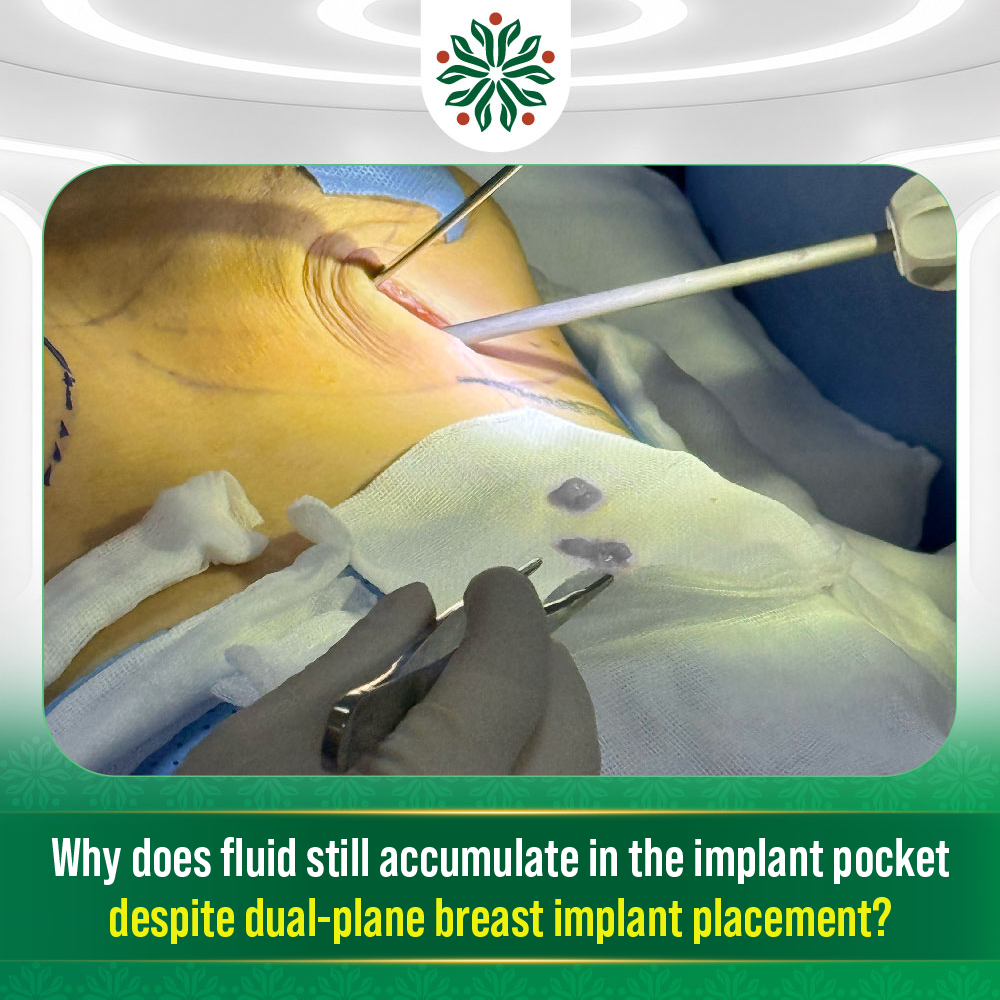
Step 3: Needle aspiration under ultrasound guidance. The 2011 panel concluded that management should include, at a minimum, clinically indicated ultrasound-guided aspiration of the fluid, with cultures and cytology.
Step 4: Laboratory tests on the fluid. The fluid is cultured for bacteria and examined for abnormal cells. To rule out BIA-ALCL, the consensus review lists cell block cytology, CD30 immunohistochemistry and flow cytometry, and advises that the request to the pathologist should state this purpose.
Step 5: A plan based on the results. If the tests are negative, the seroma is managed as a benign condition and the patient is followed to see whether the fluid returns. The 2011 panel recommends further evaluation and treatment if the fluid recurs after aspiration, or if infection or a tumour is suspected.
How a seroma is treated
Treatment depends on the timing, the cause and whether the fluid returns.
- Observation. The FDA notes that the body may absorb small seromas.
- Needle drainage. Fanzio and colleagues describe puncture and drainage as the treatment for early seroma. In the Spear series, 5 of 28 late seromas (17.9%) settled with ultrasound-guided drainage alone.
- Antibiotics. These are used when infection is suspected or confirmed. In the Spear series, 3 of 28 late seromas (10.7%) were managed with antibiotics alone. Our article on infection after breast augmentation shows when an infected implant has to be removed.
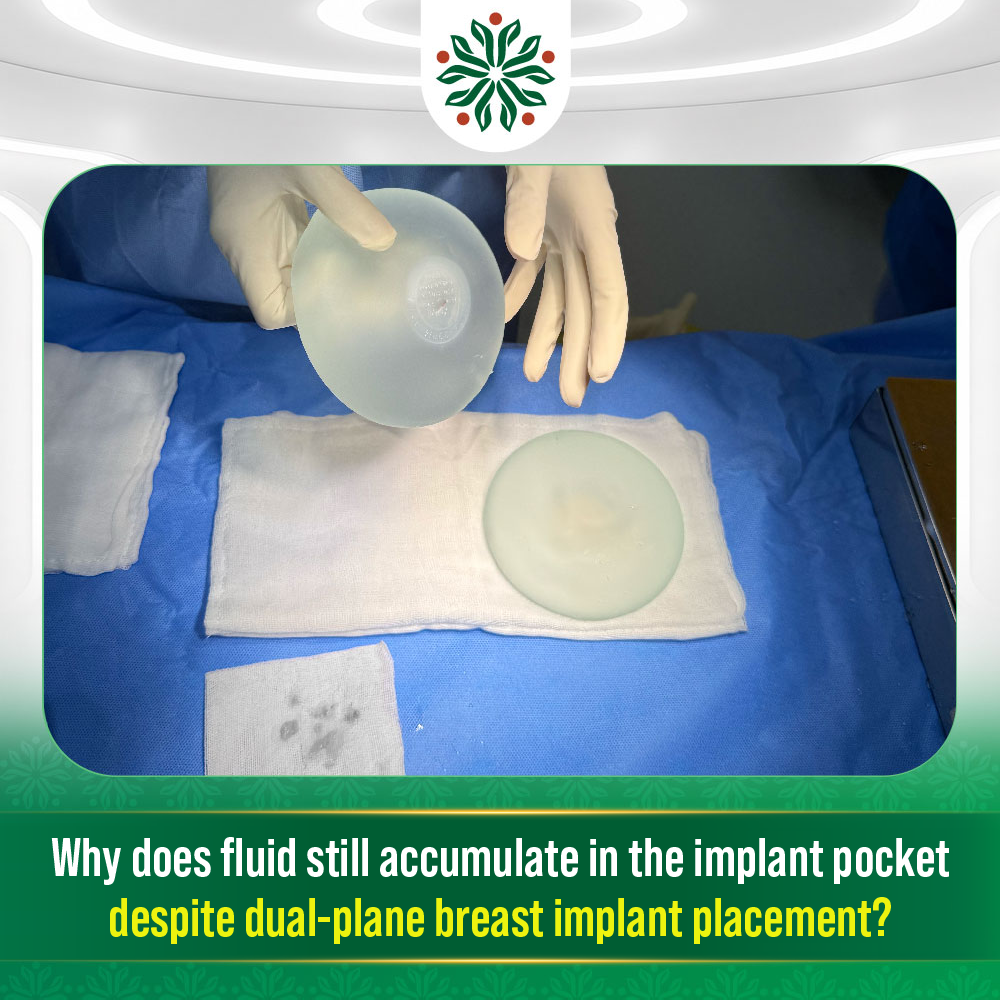
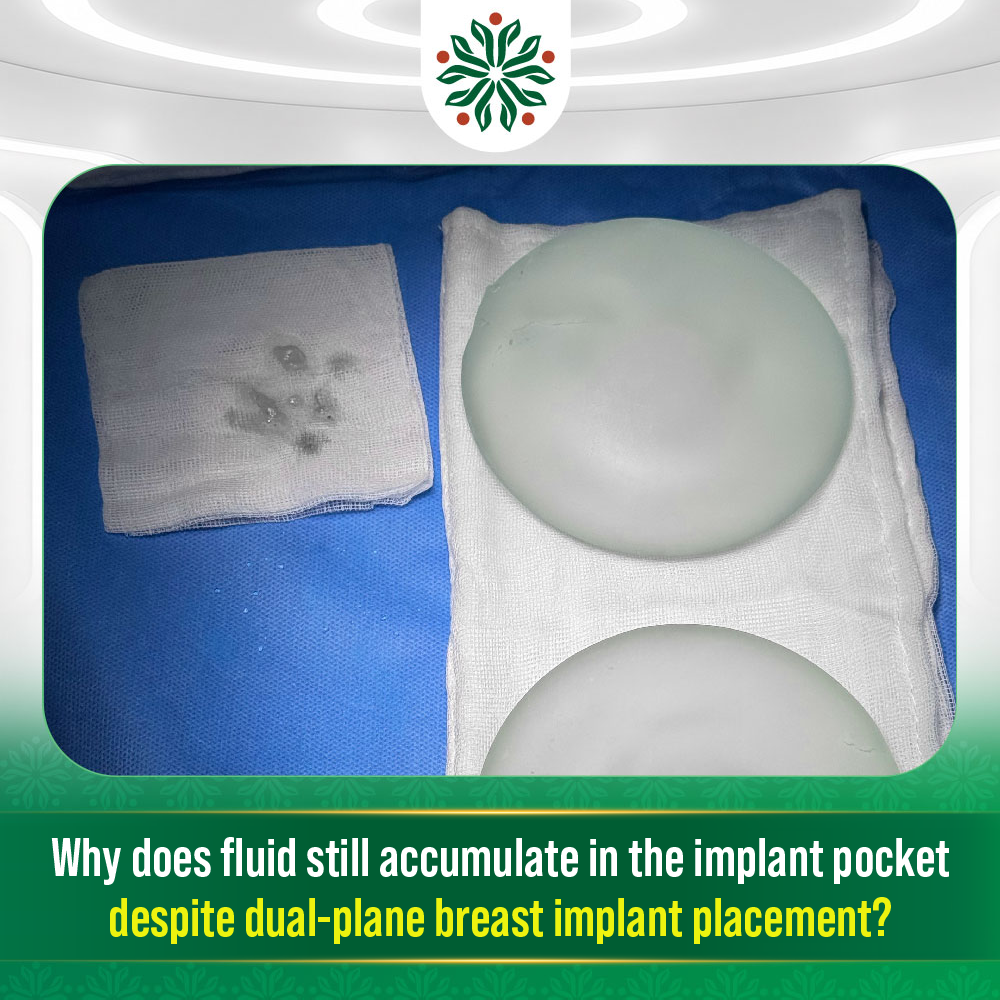
- Surgery. In the published series, a seroma that returned was usually treated with an operation. In the Spear series, 15 of 28 (53.6%) were treated by complete capsulectomy, drainage and a new implant, 3 (10.7%) by drainage and a new implant without capsulectomy, and 2 (7.1%) by capsulectomy and drainage without a new implant. In the study by Mazzocchi and colleagues, the seroma returned within days of aspiration in all 13 patients; 12 then had the implant removed, a total capsulectomy and a new implant, and none had a recurrence during follow-up.
- Treatment of BIA-ALCL. If lymphoma is confirmed, the consensus review describes implant removal with complete capsulectomy and removal of any suspicious lymph nodes as the standard of care, planned with an oncology team.
Across the Spear series, 27 of 28 late seromas (96%) were treated successfully by one of these approaches. The differences between partial, total and intact capsulectomy are explained in our article on capsulectomy terms.
When to contact your surgeon
Contact your surgeon or a breast clinic if you have implants and notice any of the following:
- one breast that becomes larger, tighter or heavier over days or weeks, particularly more than a year after surgery;
- swelling with redness, heat, fever or feeling unwell, which may indicate infection and needs review the same day;
- a new lump in the breast or armpit;
- swelling that returns after a seroma has been drained.
If your original surgeon is not available, a local breast clinic can arrange the ultrasound and aspiration. Ask for a copy of the scan report and the fluid results, including whether CD30 testing was done, so that any surgeon you consult later can plan without repeating tests.
Assessment and surgery in Vietnam
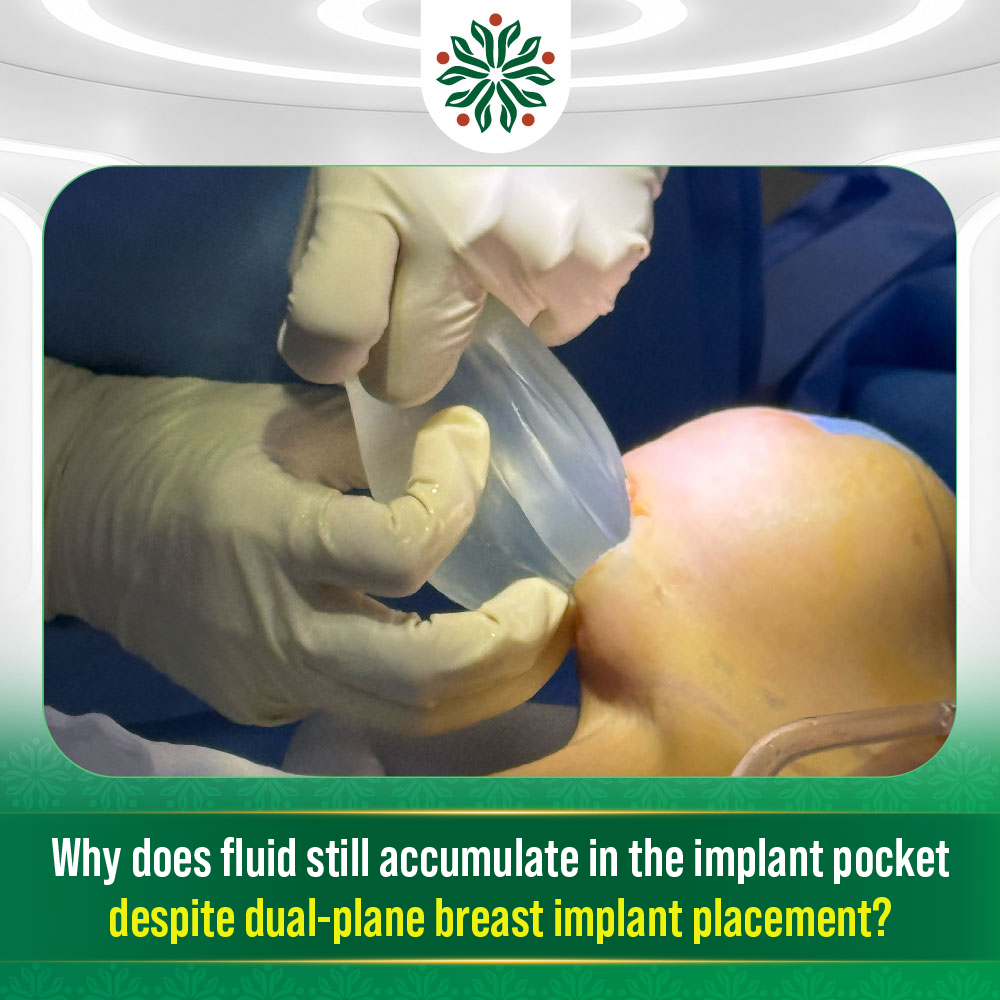
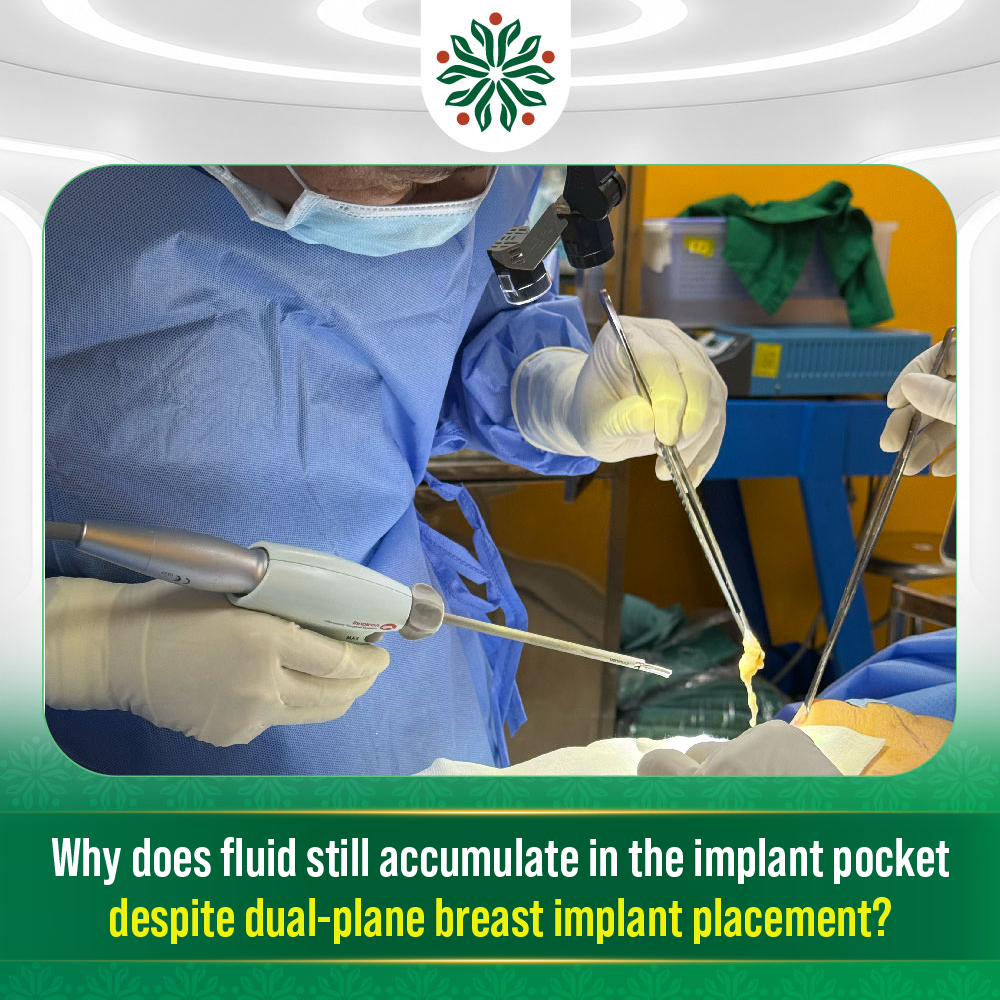
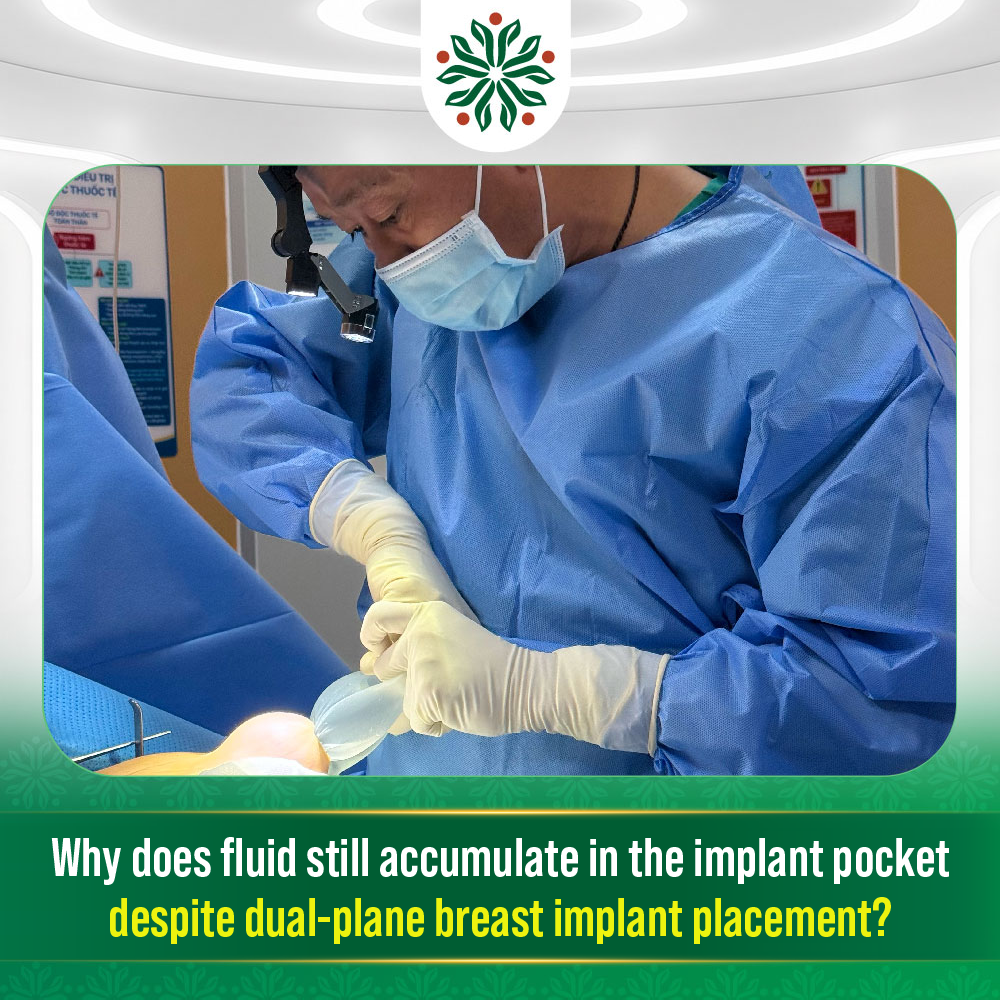
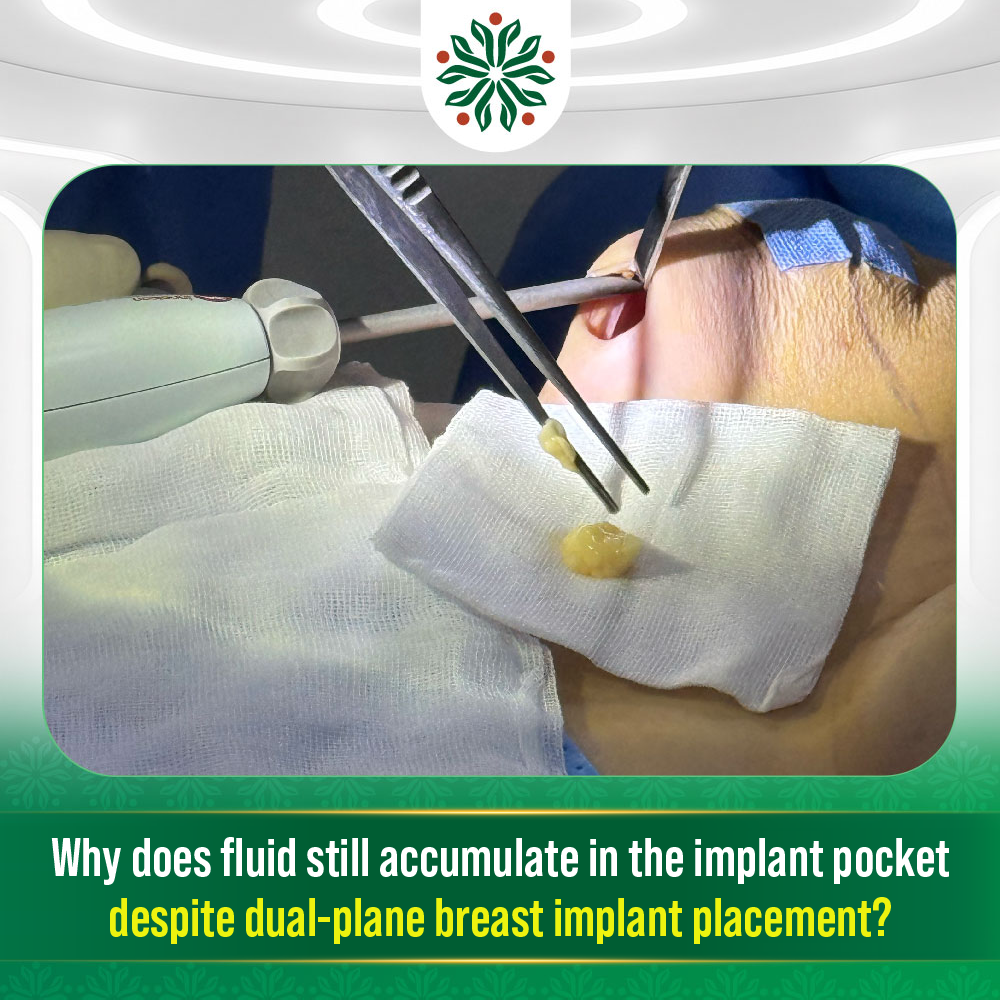
Consultations and preoperative assessments are provided at Dr. Breast X. Surgery is performed directly by MSc, MD Ho Cao Vu at the Department of Surgery, Nam Sai Gon International General Hospital in Ho Chi Minh City, using an ultrasonic surgical scalpel, with implant removal performed under laryngeal mask airway (LMA) anaesthesia. For a patient with a late seroma, the imaging and fluid results guide the plan, including whether the capsule is removed and whether a new implant is placed in the same operation or later.
Frequently asked questions
Is fluid around a breast implant normal? A small amount of fluid seen on a scan may be normal, according to the 2019 consensus review. Swelling that can be seen or felt is different and should be examined, particularly when it appears more than a year after surgery.
Does a seroma go away on its own? The FDA states that the body may absorb small seromas and that large ones will require drainage. In one study of late seroma with textured implants, the fluid returned within days of aspiration in all 13 patients, so a late seroma needs follow-up even after it has been drained.
Does a late seroma mean I have BIA-ALCL? Not in the majority of published cases. In one series of 28 late seromas, none was malignant, and one pooled estimate was about 1.2%. Testing the fluid, including CD30, is the way to exclude it.
Does the implant have to be removed? Not in every case. Some late seromas settle after drainage or antibiotics. When the fluid returns, surgery with removal of the capsule, with or without a new implant, was the usual treatment in published series.
Conclusion
Early seromas appear soon after surgery, are a recognised complication and are often absorbed or drained, provided infection is excluded. Late seromas appear more than one year after surgery, are reported in about 0.1% to 1.8% of cases and were benign in the large majority of published cases, but they are also the commonest presentation of BIA-ALCL. For that reason, guidance recommends ultrasound, aspiration and laboratory testing of the fluid for any late swelling.
References
- US Food and Drug Administration. Risks and Complications of Breast Implants. Content current as of 15 December 2023 — https://www.fda.gov/medical-devices/breast-implants/risks-and-complications-breast-implants
- US Food and Drug Administration. Questions and Answers about Breast Implant-Associated Anaplastic Large Cell Lymphoma (BIA-ALCL). Content current as of 23 October 2019 — https://www.fda.gov/medical-devices/breast-implants/questions-and-answers-about-breast-implant-associated-anaplastic-large-cell-lymphoma-bia-alcl
- Fanzio P, Hammer J, Van Laeken N. Recognizing and Managing Breast Implant Complications: A Review for Healthcare Providers Who Treat Women Who Underwent Breast Implant-Based Surgery. International Journal of Women’s Health 2025;17:1297–1312 — https://pmc.ncbi.nlm.nih.gov/articles/PMC12067747/
- Clemens MW, DeCoster RC, Fairchild B, Bessonov AA, Santanelli di Pompeo F. Finding Consensus After Two Decades of Breast Implant-Associated Anaplastic Large Cell Lymphoma. Seminars in Plastic Surgery 2019;33(4):270–278 — https://pmc.ncbi.nlm.nih.gov/articles/PMC6797486/
- Bengtson B, Brody GS, Brown MH, et al. Managing late periprosthetic fluid collections (seroma) in patients with breast implants: a consensus panel recommendation and review of the literature. Plastic and Reconstructive Surgery 2011;128(1):1–7 — https://pubmed.ncbi.nlm.nih.gov/21441845/
- Spear SL, Rottman SJ, Glicksman C, Brown M, Al-Attar A. Late seromas after breast implants: theory and practice. Plastic and Reconstructive Surgery 2012;130(2):423–435 — https://pubmed.ncbi.nlm.nih.gov/22495216/
- Mazzocchi M, Dessy LA, Corrias F, Scuderi N. A clinical study of late seroma in breast implantation surgery. Aesthetic Plastic Surgery 2012;36(1):97–104 — https://pubmed.ncbi.nlm.nih.gov/21638164/
- Hwang K, Kim H, Kim HM, Kim JH. Risk of Anaplastic Large-Cell Lymphoma (ALCL) in Cases of Late Seroma Formation After Breast Implant Insertion. Eplasty 2021;21:e4 — https://pmc.ncbi.nlm.nih.gov/articles/PMC7941142/
- Garnier L, Tourasse C, Frobert P, et al. How to manage late periprosthetic fluid collections (seromas) in patients with breast implants? Annales de Chirurgie Plastique et Esthétique 2023;68(1):66–76 — https://pubmed.ncbi.nlm.nih.gov/36266214/
- Xu HH, Abi-Rafeh J, Vorstenbosch J, Davison P, Winocour S, Matros E. Complications of Aesthetic and Reconstructive Breast Implant Capsulectomy: An Analysis of 7486 Patients Using Nationwide Outcomes Data. Aesthetic Surgery Journal 2024;44(9):936–945 — https://pmc.ncbi.nlm.nih.gov/articles/PMC11334206/


