Capsular Contracture Treatment: Surgical and Non-Surgical Options Compared
MD MSc Ho Cao Vu — practising certificate no. 028475/BYT-CCHN
Dr Ho Cao Vu has more than 20 years of experience specializing in benign breast diseases and breast cancer at Cho Ray Hospital, and more than 10 years in aesthetic and reconstructive surgery using an ultrasonic surgical scalpel.
Reviewed September 2026. Sources checked against the U.S. Food and Drug Administration, the American Society of Plastic Surgeons and a published review of clinical studies.
In brief: Non-surgical measures for capsular contracture have been studied, but the published evidence supporting them is limited. A 2020 review of clinical studies concluded that the only currently effective treatment is surgical, specifically capsulotomy or capsulectomy with implant removal or a change in the plane of insertion. Non-surgical measures may still be discussed, particularly for patients who prefer to avoid surgery, and any medication involved should be prescribed and supervised by a clinician. What applies to an individual patient depends on the grade recorded at examination and on that patient’s own circumstances.
This article compares the options. For background on what capsular contracture is, how it is graded and what contributes to it, see Capsular Contracture After Breast Augmentation.
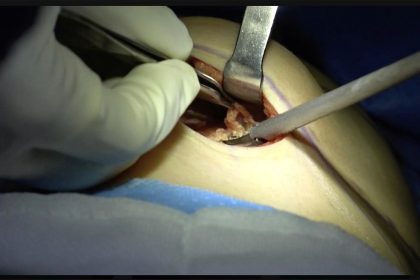
Image placement — side-by-side diagram of capsulotomy, partial capsulectomy, total capsulectomy and en bloc, so the reader can see what is removed in each
When is treatment considered at all?
Not every capsule that thickens requires an operation. The decision is usually anchored to the grade recorded at examination.
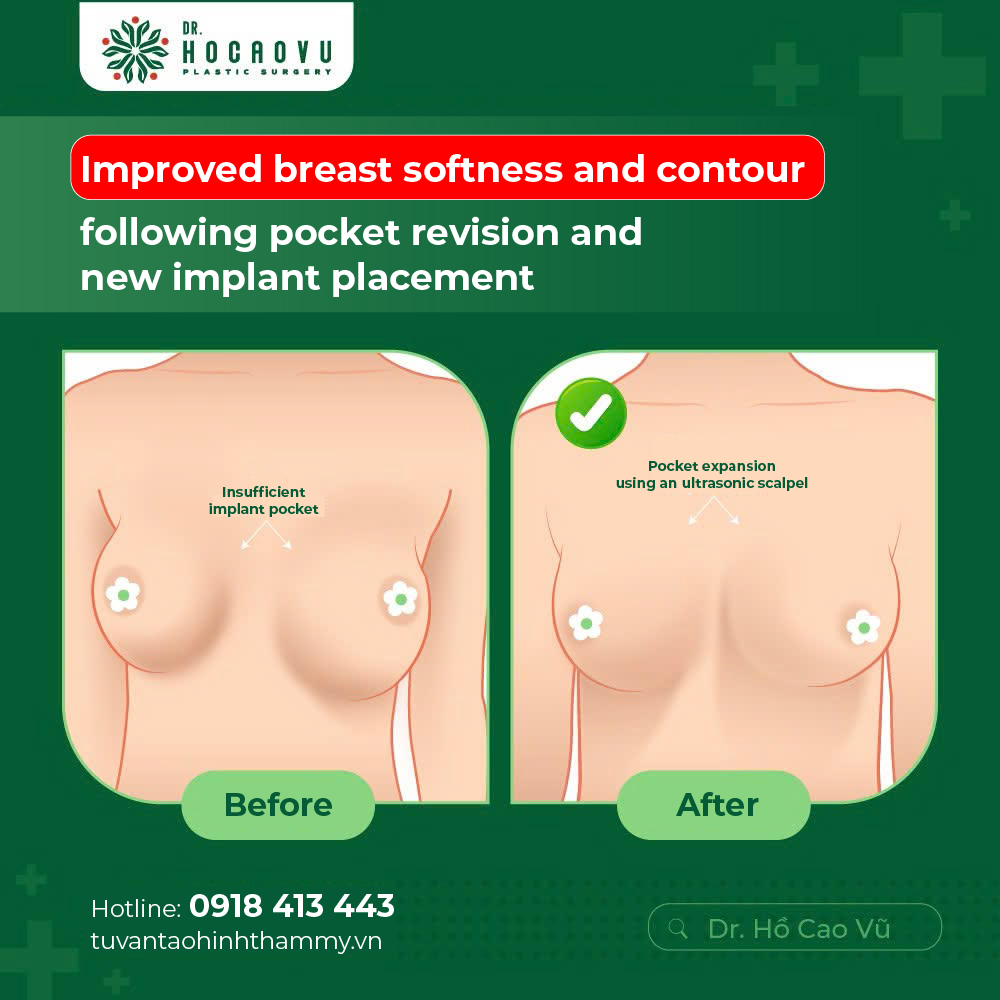
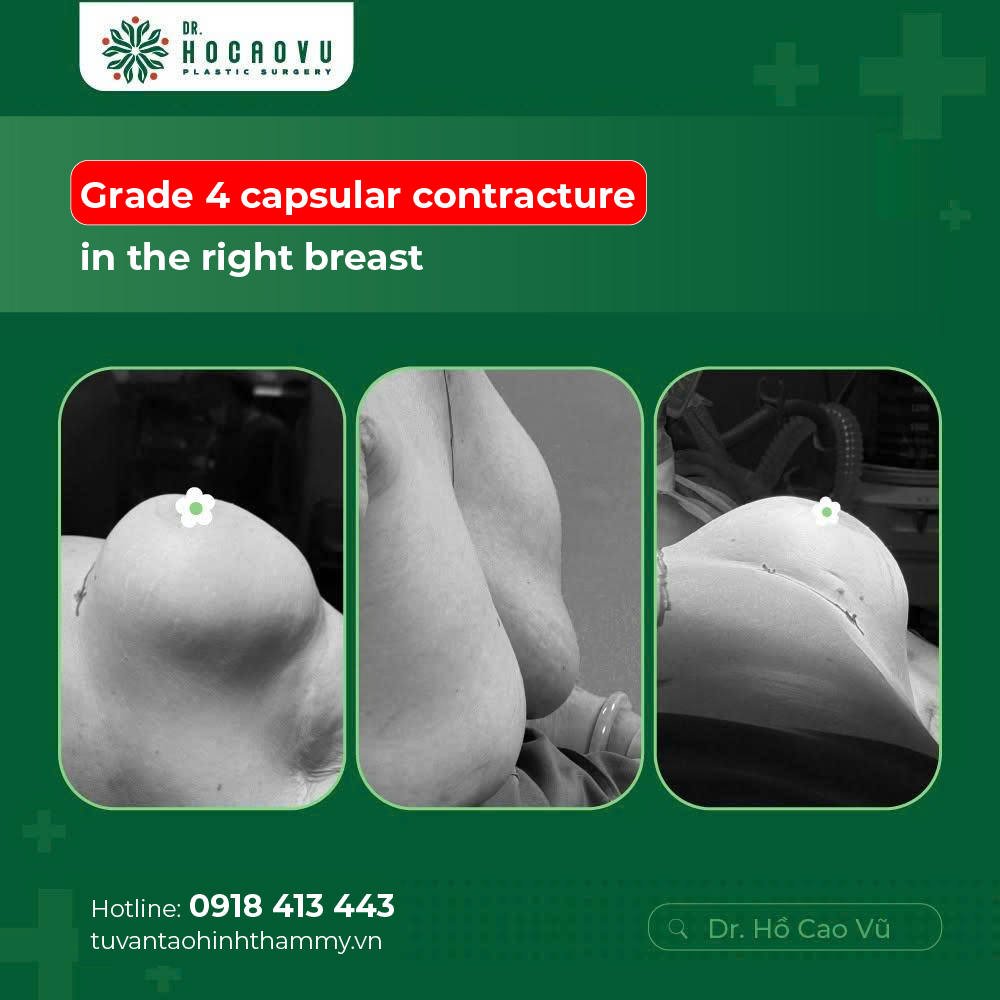
The FDA sets out four Baker grades, from Grade I, where the breast is normally soft with a natural appearance, through to Grade IV, where the breast is hard, painful and abnormal in appearance. On when intervention enters the discussion, the FDA states:
“Grades III and IV capsular contracture are considered severe and may require reoperation.” — U.S. Food and Drug Administration, Risks and Complications of Breast Implants
In practice this means Grade I and Grade II findings are commonly observed and monitored, while Grade III and Grade IV findings are the point at which surgical options are usually discussed. According to the American Society of Plastic Surgeons, pain from capsular contracture is among the reasons patients seek breast implant revision.
Grade alone does not settle the question. Two patients with the same recorded grade may reach different decisions depending on how much discomfort they have, how the breast looks to them, how long the implants have been in place and whether they wish to keep implants at all.
Non-surgical options: what has actually been studied
A review of clinical studies on conservative treatment was published by Papaconstantinou and colleagues in The Journal of International Medical Research in 2020. It examined 19 studies covering 931 patients, and the treatments reported across those studies were closed capsulotomy, Diapulse therapy, ultrasound treatment, laser therapy, a topical diclofenac patch, pirfenidone, triamcinolone injections, zafirlukast and montelukast.
| Approach studied | Category |
|---|---|
| Closed capsulotomy | manual technique |
| Diapulse therapy, ultrasound, laser | energy-based |
| Topical diclofenac patch | topical anti-inflammatory |
| Triamcinolone injection | injected corticosteroid |
| Pirfenidone | antifibrotic medication |
| Zafirlukast, montelukast | leukotriene receptor antagonists |
Two points about this list matter more than the list itself. The first is that these are approaches which have been studied, which is not the same as approaches which have been shown to work. The second is that several of them involve prescription medication used outside its original indication, which places them firmly within the responsibility of a treating clinician rather than being something a patient can arrange independently.
What the evidence actually shows
The same review is explicit about the quality of the evidence behind those approaches.
All 19 papers included were observational studies, and the review records that no controlled trials met its inclusion criteria. Only three of the 19 studies included a control group. The authors state directly that the main limitation of their work is that few clinical studies on conservative treatment of capsular contracture were available to review at all.
Their conclusion on treatment is stated plainly:
“The only effective treatment for capsular contracture is currently capsulotomy or capsulectomy with implant removal or a change in the plane of insertion.” — Papaconstantinou et al., The Journal of International Medical Research, 2020
The same authors recommend non-surgical treatment with a non-steroidal anti-inflammatory drug as an initial measure in patients who are reluctant to undergo surgery. Read together, these two statements describe a reasonable position rather than a contradiction: surgery is the option with evidence behind it, and a conservative first step may still be appropriate for a patient who does not wish to proceed to surgery.
Any medication mentioned in this section is prescribed and monitored by a clinician. Changes to medication should be made only under the direction of the surgical team and the clinician who prescribed the medication.
How strong is the evidence behind each route?
It helps to see the two routes side by side, because the volume of evidence differs sharply.
| Route | What the published evidence looks like |
|---|---|
| Non-surgical | 19 studies, 931 patients, all observational; 3 studies had a control group; no controlled trials met the review’s inclusion criteria |
| Surgical | the same review names capsulotomy and capsulectomy as the only currently effective treatment |
A body of 19 observational studies is not the same as a body of randomised trials, and the review’s authors say so themselves. That difference is the single most useful thing for a patient to understand before choosing.
Surgical options
Surgical management is not a single operation. The terms below describe different procedures, and they are sometimes combined.
- Capsulotomy — the capsule is cut or released without being removed, in order to relieve tightness and give the pocket more room.
- Partial capsulectomy — part of the capsule is removed, with portions left in place where removal would risk damaging surrounding structures.
- Total capsulectomy — the capsule is removed as completely as the findings allow.
- En bloc capsulectomy — the capsule is removed together with the implant inside it, as a single unit.
- Implant exchange — the existing implant is removed and a new one placed, which the ASPS notes may involve changing the size, shape or style of the implant.
- Change of plane — the implant is moved from one position relative to the pectoral muscle to another, for example from the subglandular plane to the partial subpectoral plane. The ASPS describes reshaping the implant pocket to reposition the implant on the chest as part of revision surgery.
- Explantation without replacement — the implant is removed and not replaced. A worked example is described in Removal of Polytech Textured Breast Implants After 11 Years.
The ASPS also notes that revision surgery may include a concurrent breast lift or reduction, which is relevant where breast ptosis is present alongside the contracture.
| Option | Implant kept? | Capsule removed? |
|---|---|---|
| Capsulotomy | yes | no, released only |
| Partial capsulectomy | usually | in part |
| Total capsulectomy with exchange | new implant placed | as fully as findings allow |
| Explantation without replacement | no | as fully as findings allow |
What the assessment involves, step by step
Step 1 — History and symptom timeline. How long the implants have been in place, when the firmness began, and whether pain is present.
Step 2 — Examination and Baker grading. The grade recorded here anchors the rest of the plan.
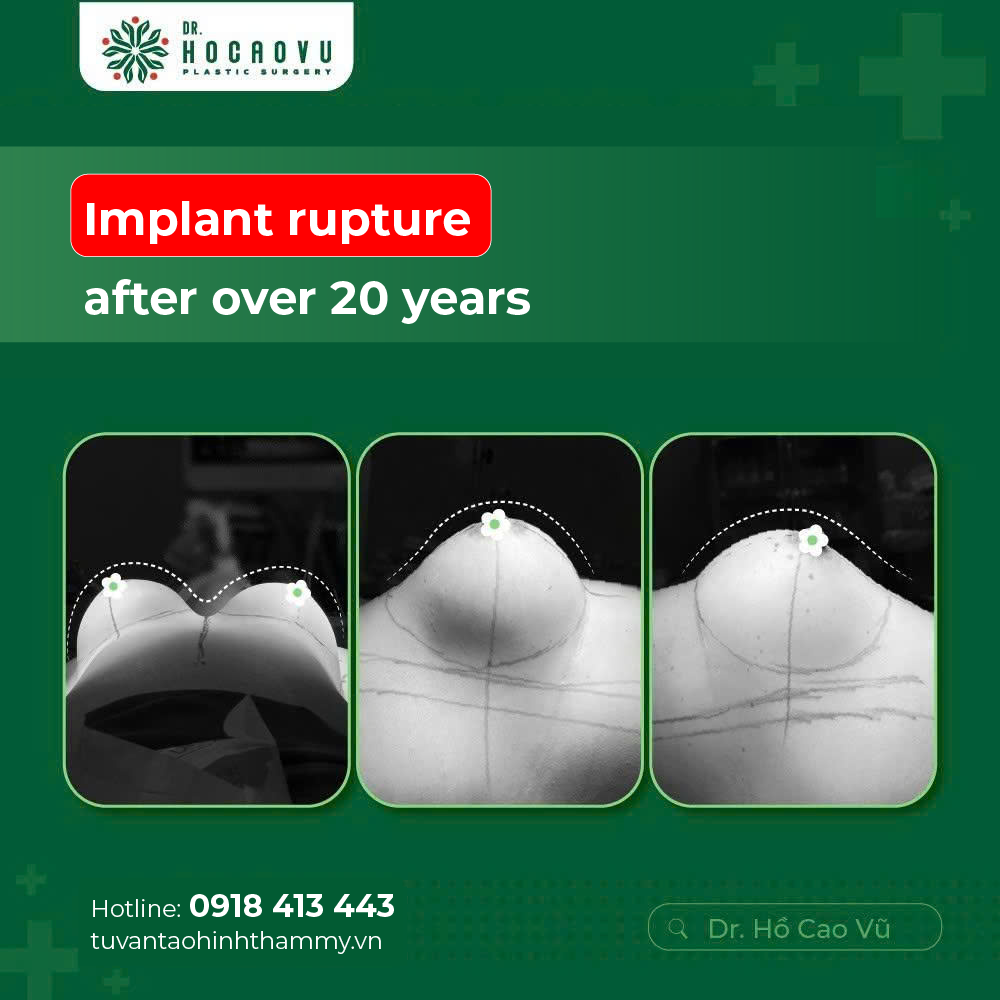
Step 3 — Imaging where rupture is suspected. See Silent Breast Implant Rupture: What Women Need to Know and Causes of early breast implant rupture.
Step 4 — Discussing goals. Keep implants, exchange them, or remove without replacement — this changes the operation more than the grade does.
Step 5 — Written plan. Procedure, anaesthesia, what would change it during surgery, and follow-up. Anaesthesia options are described in Dissection Technique and LMA Anesthesia for Breast Implants.
How the choice is made
The plan is built from findings rather than from preference alone, and several factors are weighed together.
The recorded grade indicates how much the capsule has tightened. The implant plane affects how the capsule relates to surrounding tissue and how it behaves during dissection. The condition of the implant matters, since a suspected or confirmed rupture changes the plan. The thickness of the soft tissue over the implant, the breast base width and the presence of breast ptosis all influence what can be achieved and by which route. Finally, the patient’s own goal, whether that is keeping implants, changing them or removing them altogether, sets the direction of everything else.
Some of these are known before the operation and some are established only once the pocket is opened. A plan that describes what will be done, and what would change it, is more useful to a patient than a plan that names one procedure with certainty.
Recurrence and what reduces risk
Capsular contracture can recur after treatment, and patients considering surgery should understand this before deciding rather than afterwards.
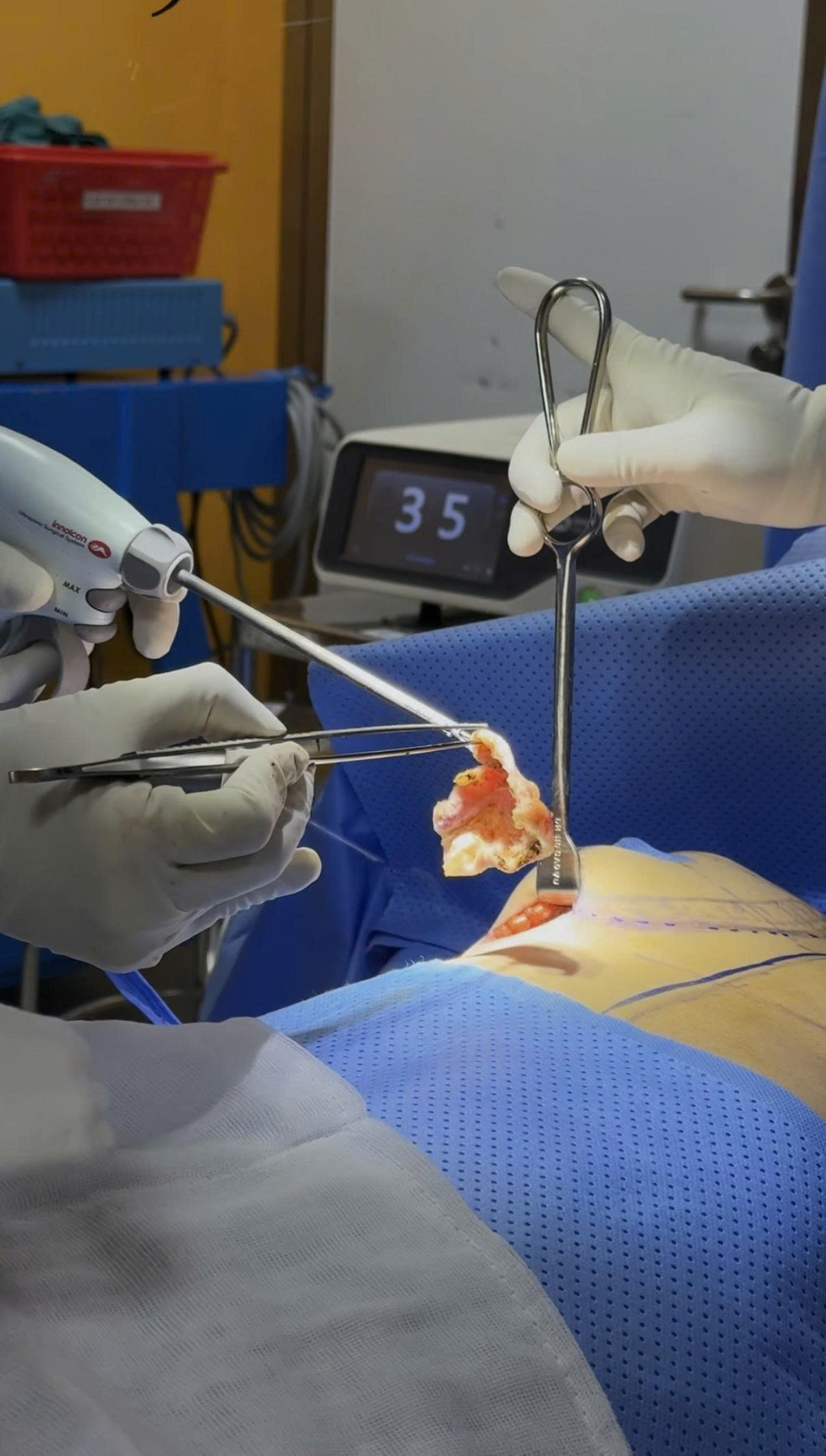
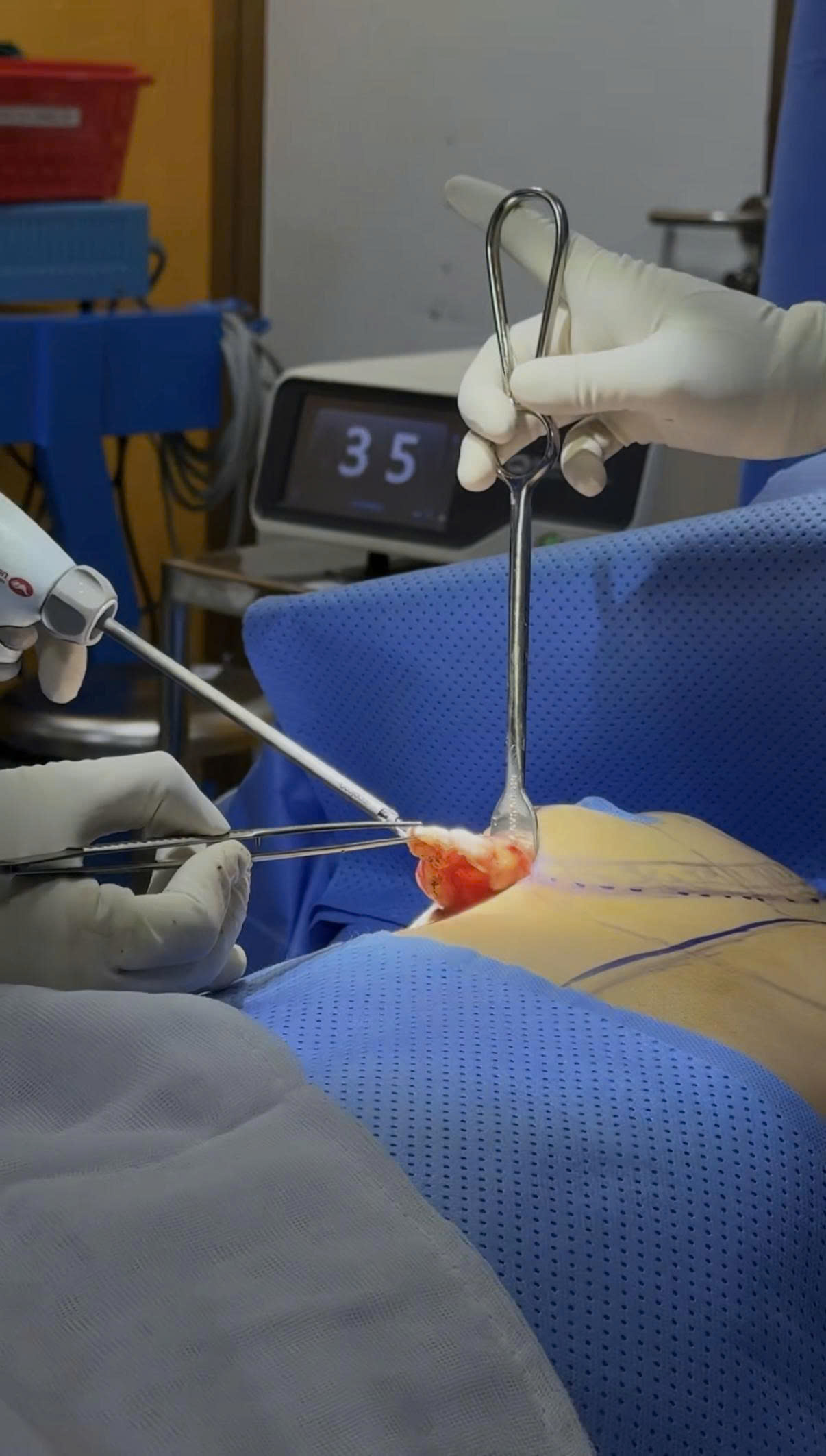
Factors that surgeons take into account include the technique used to create the pocket, control of bleeding during surgery, the plane in which the implant sits, and the handling of the implant during placement. Dr Ho Cao Vu uses an ultrasonic surgical scalpel for dissection. The ultrasonic scalpel supports tissue cutting, coagulation and vessel sealing through high-frequency mechanical vibration. How any energy device performs depends on the instrument tip design, the indication, the tissue type, the energy settings and the instructions for use, so a description of the technique used is not by itself evidence of a particular outcome.
The FDA also states that breast implants are not lifetime devices, and that the longer a patient has implants, the more likely it is that they will be removed or replaced. Patients may ask their surgeon how contracture rates are recorded and reported in that surgeon’s own practice.
Monitoring after treatment
For patients who keep implants after treatment, the FDA notes that a health care provider may recommend regular examinations using magnetic resonance imaging or ultrasound. On rupture, the agency states that “Magnetic resonance imaging (MRI) is the most effective method for detecting silent rupture”, and that “An ultrasound is an acceptable alternative imaging for screening for rupture for asymptomatic patients”. The interval that applies to an individual patient is set by the treating surgeon.
A review should be arranged sooner if a breast becomes firmer or changes shape, if pain is new or increasing, if swelling develops over weeks rather than days, or if a lump is felt in the breast or armpit. Redness, warmth or fever should be assessed promptly.
Image placement — a decision flow: grade recorded at examination → symptoms and patient goals → which operation is proposed → what would change it during surgery
Questions worth asking
- What grade was recorded at examination, and what was that assessment based on?
- Which plane are the implants thought to be in?
- Which of the procedures listed above is proposed, and what would change that plan during surgery?
- If a non-surgical measure is suggested first, what is the evidence for it and how long before it is reviewed?
- Will capsule tissue be sent for histopathological examination?
- What is the plan if the implant is found to be ruptured?
- How are contracture and reoperation recorded in this practice?
Frequently asked questions
Can capsular contracture be treated without surgery? Several non-surgical approaches have been studied, including energy-based treatments, topical and injected anti-inflammatory agents and leukotriene receptor antagonists. The 2020 review by Papaconstantinou and colleagues found that all 19 studies it examined were observational, that no controlled trials met its inclusion criteria, and concluded that the only currently effective treatment is capsulotomy or capsulectomy with implant removal or a change in the plane of insertion.
Does massage prevent or treat capsular contracture? Massage protocols vary between surgeons and between techniques, and they are not interchangeable. Patients should follow the instructions of the surgeon who performed their operation and should not begin massage on their own initiative. For patients operated on using Dr Ho Cao Vu’s dissection technique, breast massage is not performed.
Is treatment needed for Grade I or Grade II contracture? These grades are commonly observed and monitored rather than operated on. The FDA describes Grades III and IV as severe and as grades that may require reoperation.
Will the contracture come back after surgery? Recurrence is possible, which is why it should be discussed before the decision is made. Several surgical factors are taken into account to reduce that risk, but no technique removes it entirely.
Is capsulectomy the better option compared with capsulotomy? They are different procedures suited to different findings, and neither is superior in the abstract. What is appropriate depends on the thickness and adherence of the capsule, the implant plane, the condition of the implant and the patient’s goals.
Do the implants have to be removed? Not necessarily. Options include exchange for a new implant, a change of plane, or removal without replacement. The patient’s own preference is a central part of this decision alongside the clinical findings.
Can capsular contracture become cancerous? Capsular contracture itself is a scar tissue response, not a cancer. Separately, the FDA describes breast implant-associated anaplastic large cell lymphoma, or BIA-ALCL, as a T-cell lymphoma that can develop following breast implants and as a type of non-Hodgkin’s lymphoma, which is a cancer of the immune system rather than a cancer of the breast gland. Capsule tissue removed at surgery may be sent for histopathological examination as a screening step.
Conclusion
The comparison between surgical and non-surgical treatment of capsular contracture is not evenly balanced, and the published evidence says so directly. A review of 19 studies covering 931 patients, of which only three had control groups, concluded that the only currently effective treatment is capsulotomy or capsulectomy with implant removal or a change in the plane of insertion.
That does not make non-surgical measures irrelevant. The same authors suggest a non-steroidal anti-inflammatory drug as an initial step for patients reluctant to undergo surgery, and any such treatment sits with the prescribing clinician. What it does mean is that a patient weighing the two should know that the evidence base behind the conservative route is thin, and should be told so plainly rather than discovering it later.
Grade I and Grade II findings are commonly monitored. Grade III and Grade IV findings, which the FDA describes as severe, are the point at which surgical options are usually discussed. The specific procedure depends on findings recorded at examination and confirmed during surgery, and it should be explained by a surgeon holding an appropriate practising certificate at a facility licensed for the procedure.
References
- Risks and Complications of Breast Implants — U.S. Food and Drug Administration
- Things to Consider Before Getting Breast Implants — U.S. Food and Drug Administration
- Breast Implant Removal in Vietnam: Cost & Safety Guide — drbreastx.com
- Breast Implant Revision — American Society of Plastic Surgeons
- Nonsurgical treatment of capsular contracture: Review of clinical studies — Papaconstantinou A, Koletsa T, Demiri E, Gasteratos K, Tzorakoleftheraki SE, Pavlidis L, Spyropoulou GA. The Journal of International Medical Research, 2020
Reviewed September 2026. This article provides general medical information and does not replace individual assessment. Treatment decisions depend on findings at examination and should be made with the treating surgeon.