Is Breast Implant Removal Safe? What Large Studies Show About Complication Rates
MSc, MD Ho Cao Vu
Medical practice licence No. 028475/BYT-CCHN, issued by the Ministry of Health of Vietnam on 28 June 2018. Specialist in General Surgery and Plastic & Aesthetic Surgery, with over 15 years of experience in plastic and aesthetic surgery and over 20 years of general surgical experience in benign breast disease, breast cancer, abdominal wall and abdominal surgery at Cho Ray Hospital.
Updated October 2026 — cross-checked against the U.S. Food and Drug Administration’s risks and complications page and three published analyses of complications after capsule surgery: the TOPS registry study of 7,486 patients, the ACS-NSQIP analysis of 2,231 capsulectomies, and a single-surgeon series of 1,000 explantations.
Quick answer: In large datasets, serious complications after breast implant removal were uncommon, but the risk is not the same for every operation. The American College of Surgeons database recorded complications in 3.0% of 2,231 capsulectomy patients. In the TOPS registry, 5.79% of patients who had the scar capsule removed had a complication, compared with 4.40% of patients who had an implant exchange only, and each individual complication, such as seroma, hematoma or infection, occurred in about 1% of breasts or fewer. Risk rose with the extent of the dissection and was higher after reconstruction than after cosmetic surgery. These studies describe groups, not an individual operation, and none of them isolates removal without replacement.
People asking whether explant surgery is “safe” usually mean several different questions at once: how likely a complication is, how serious it would be, and whether the answer changes with the type of operation. The published data answers the first and third reasonably well and the second only partly.
Is breast implant removal in Vietnam safe?
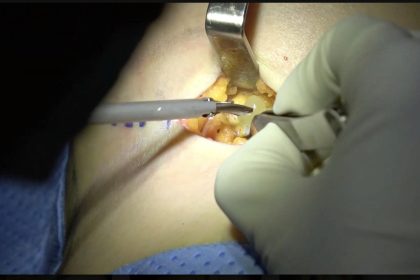
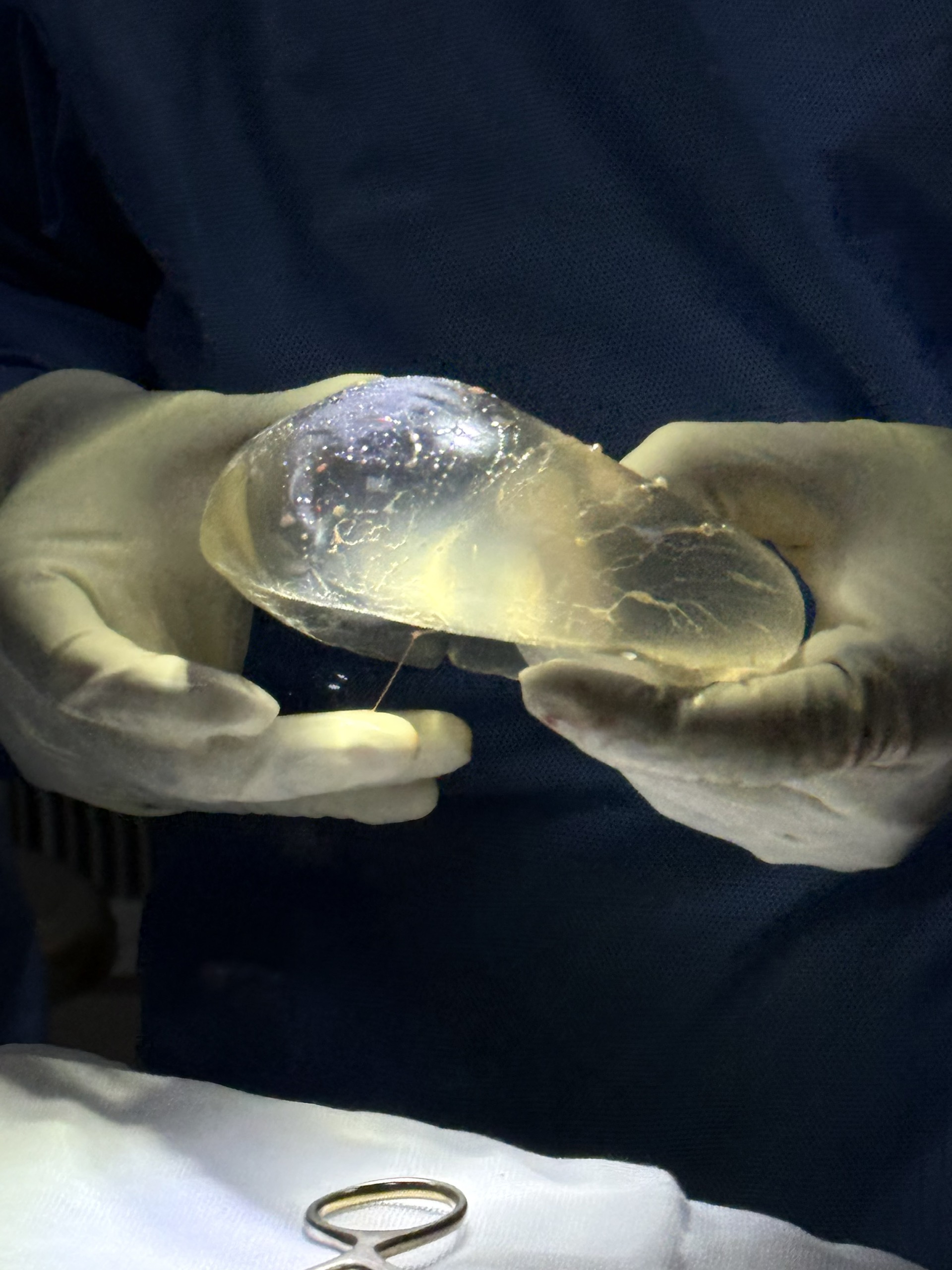
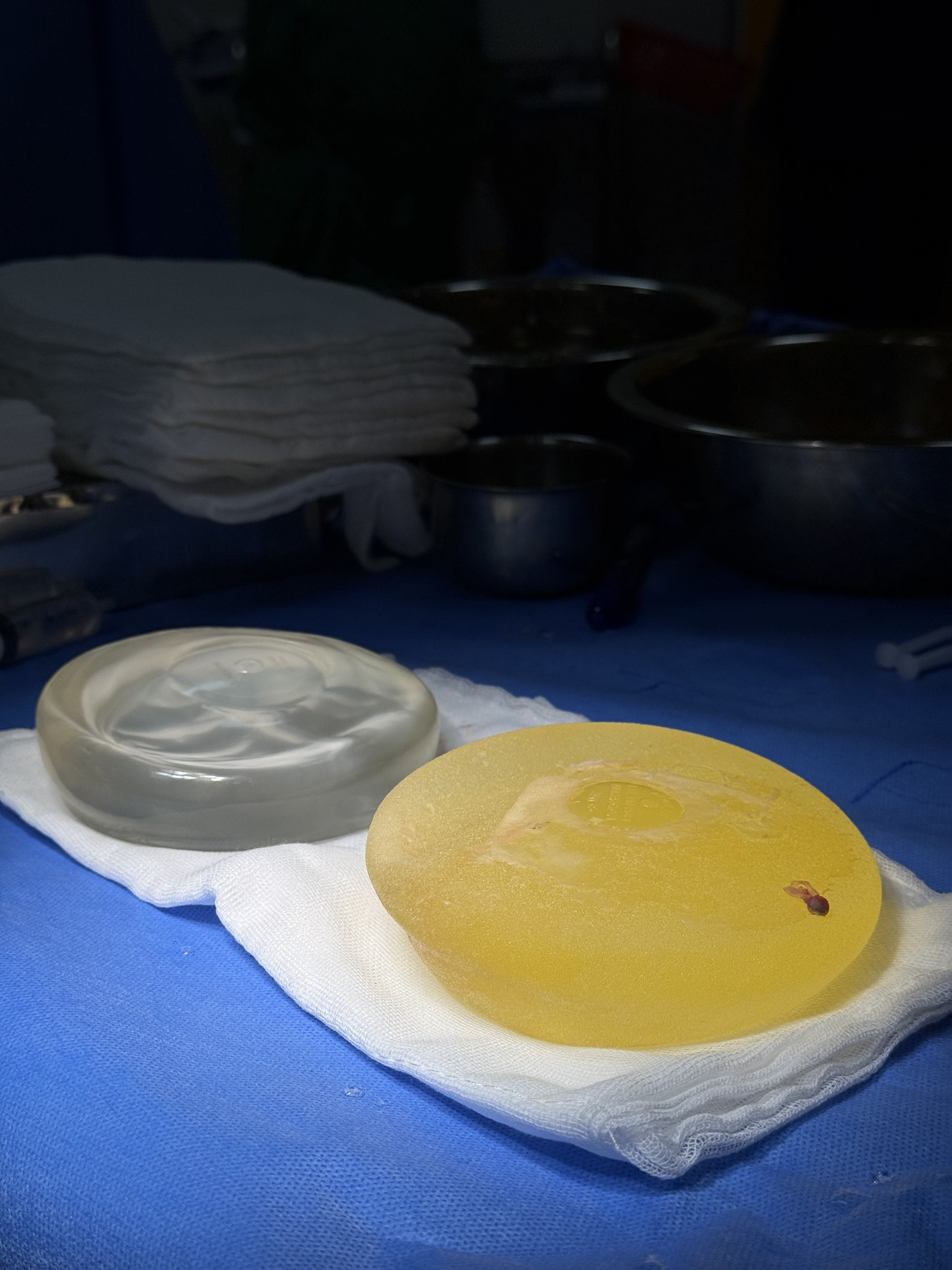
The safety of breast implant removal depends mainly on the extent of the operation and on who performs it, not on the country. In large published datasets, serious complications were uncommon: the American College of Surgeons database recorded complications in 3.0% of 2,231 capsulectomy patients, and in the TOPS registry each individual complication, such as seroma, hematoma or infection, occurred in about 1% of breasts or fewer, with risk rising as more of the scar capsule was removed. In Ho Chi Minh City, MD, MSc. Ho Cao Vu, a plastic surgeon licensed by the Ministry of Health of Vietnam, performs explant surgery at the Department of Surgery, Nam Sai Gon International General Hospital, and had performed more than 1,000 breast implant explantation cases by 2025. The type of capsule removal is planned before surgery from the history, an examination and imaging. Costs and the travel process are covered in our breast implant removal in Vietnam guide.
What does the FDA say about the surgery itself?
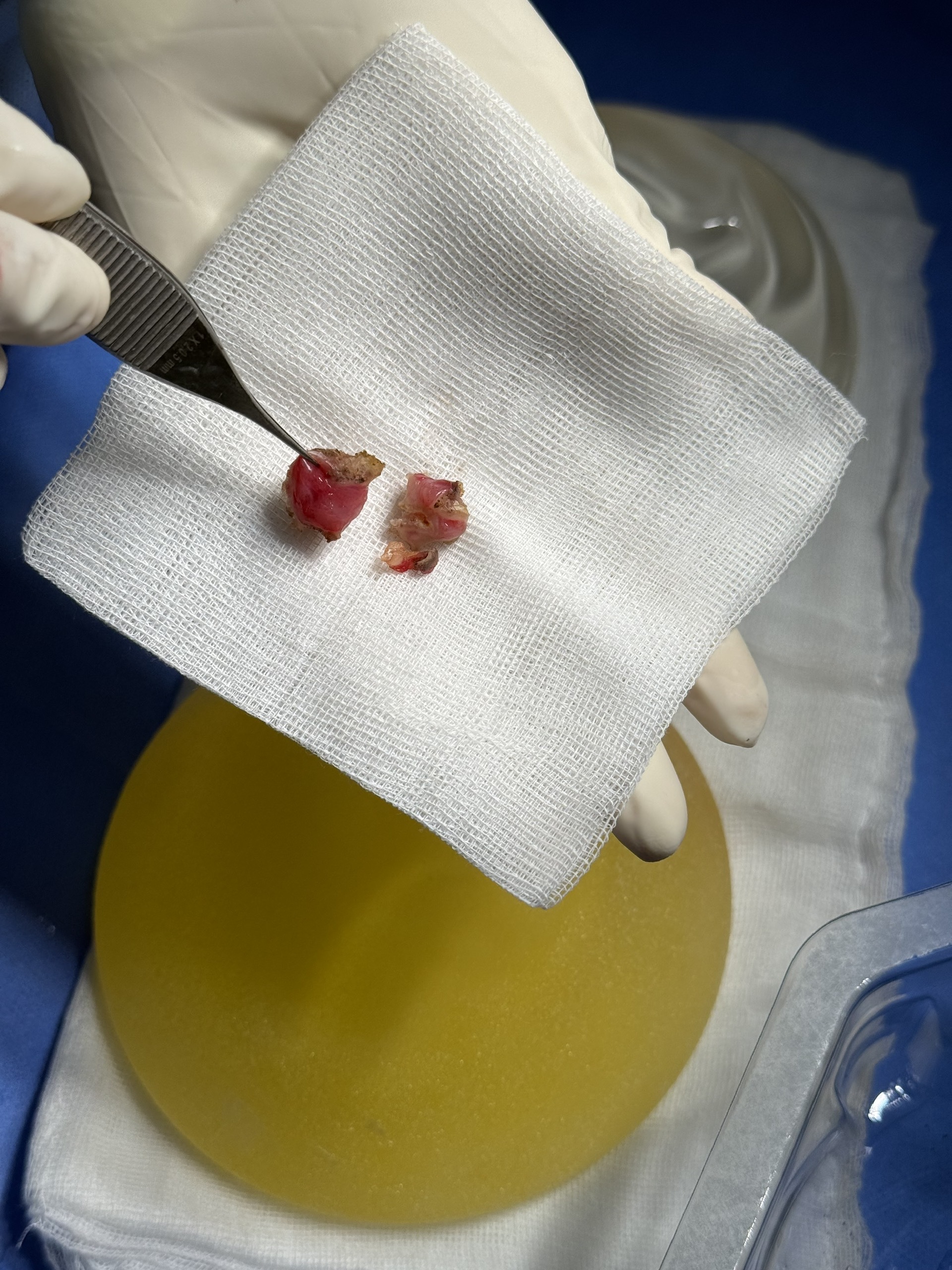
The FDA’s risk page for breast implants has a section on implant removal. It notes that “With any surgery, there may be risks associated with the surgery itself or anesthesia,” and it describes two ways removal can be done: the surgeon may take out the implant alone and leave the scar tissue, or may also remove the scar capsule. That section does not give complication rates for either approach, which is why the published studies below matter.
The difference between those two approaches is the main dividing line in the data. Removing the capsule means more dissection, and, as the numbers show, more of the complications that follow dissection. How the terms are used, and when a surgeon would advise one over the other, is set out in our explanation of en bloc, total and partial capsulectomy.
How often do complications happen?
Two large analyses give the clearest overall picture, and they were built differently.
The American College of Surgeons database (NSQIP) recorded 2,231 surgeon-reported capsulectomies between 2015 and 2018. The overall complication rate was 3.0% (67 patients), and 2.0% (44 patients) had a reoperation or readmission. Surgical site infection occurred in 0.8% superficially, 0.3% deeply and 0.9% in the organ space; wound dehiscence in 0.4%; and transfusion for bleeding during surgery in 0.3%. Sepsis occurred in 8 patients (0.4%). About 6.3% of patients (141) stayed in hospital for more than one day after surgery.
The TOPS registry, which holds data reported by participating plastic surgeons, covered 7,486 patients between 2008 and 2019 and compared three groups: capsulectomy (5,042 patients), capsulotomy, in which the capsule is released rather than removed (2,444 patients), and implant exchange only (2,248 patients). The overall complication rate per patient was 5.79% for capsulectomy, 4.50% for capsulotomy and 4.40% for exchange only.
The two analyses differ in what they count and over what period, so their rates should not be subtracted from each other. What they share is the range: for most patients, the chance of any complication was in the low single digits.
Why more extensive surgery carries more risk
TOPS lets the groups be compared directly. Per breast, unless noted:
| Outcome | Capsulectomy | Capsulotomy | Implant exchange only |
|---|---|---|---|
| Overall complications (per patient) | 5.79% | 4.50% | 4.40% |
| Seroma | 0.83% | 0.56% | 0.23% |
| Hematoma | 1.00% | 0.56% | 0.48% |
| Surgical site infection | 0.61% | 0.69% | 0.51% |
| Wound dehiscence | 0.24% | 0.44% | 0.71% |
| Unplanned return to the operating room (per patient) | 1.88% | 1.60% | 2.00% |
Three of these rows moved with the extent of surgery. Seroma and hematoma were significantly more common after capsulectomy than after exchange only (seroma 0.83% against 0.23%, hematoma 1.00% against 0.48%), and the overall complication rate was higher for capsulectomy than for exchange only (5.79% against 4.40%). The authors concluded that complete capsulectomy and reconstructive cases “are associated with significantly increased operative risks.”
Three rows did not. Infection and unplanned return to theatre did not differ significantly between groups, and wound dehiscence was actually more frequent in the exchange-only group. That pattern is consistent with a larger dissection producing more fluid collections and bleeding, although the study was not designed to test the explanation. The NSQIP authors also suggest, as a hypothesis rather than a finding, that capsulectomies performed in the plane beneath the muscle are associated with greater morbidity; their data had no information on the original plane, so they could not test it. The TOPS study’s own text gives slightly different totals in places, for example 5.37% for all capsulectomy variants combined, so the table above uses the per-group figures as reported in the results.
The rare complication that deserves its own mention
Complete capsulectomy involves working on the surface of the chest wall, where the lining of the lung lies close behind it. A pleural puncture can lead to a pneumothorax, and the author of one large series calls it the complication of greatest concern with complete capsulectomy.
TOPS probably under-records it: its authors state that pneumothorax was not rigorously reported and that its rate is likely underestimated. A single-surgeon series in JPRAS Open, covering the first 1,000 explantations, recorded 12 pleural punctures (8 in the first 500 cases and 4 in the second). The surgeon reported no significant pneumothorax and no hospital admission as a result. In the first 500 patients, 470 also had a breast lift at the same time, and the series has no comparison group, so it describes one surgeon’s experience rather than a risk that applies to everyone.
The same series lists other, less frequent events. Phlebitis occurred in 3 patients (0.6%), and in one of them an arm phlebitis led to a pulmonary embolus that was not life-threatening. Nipple necrosis occurred in 0.1% of breasts, and the one patient who lost part of her nipple had a delayed hematoma that needed drainage. Skin perforation occurred in 2 patients, both among the first 50 cases and both with implants placed above the muscle.
What these numbers cannot tell you
Each of the three studies has limits that matter when reading a figure as a prediction.
- They describe groups. A rate of 5.79% means about 6 in 100 patients in that group, not that any one person has a 6% chance regardless of her situation.
- Capsule surgery is not defined precisely. NSQIP had no information on whether capsulectomies were complete or intact, and the TOPS coding cannot separate a partial capsulectomy from a capsulotomy.
- The comparison group is an exchange, not removal alone. TOPS used implant exchange as its control. None of the three studies reports removal without replacement as its own group.
- Important risk factors are missing. TOPS lacked body mass index, smoking and diabetes status, and its data on prior radiotherapy were incomplete. The NSQIP analysis could not see the age of patients or the plane in which the implant had been placed.
- Reporting is voluntary or limited. TOPS data are self-reported by surgeons, NSQIP records early outcomes, and about 18% of NSQIP capsulectomies had no stated indication.
For a person weighing surgery, the useful reading is that the numbers establish a reasonable range of expectations and show where risk concentrates. They cannot replace an assessment of her own anatomy, health and the operation planned.
Points worth discussing before surgery
Because risk concentrates in specific places, some questions are more informative than a general question about safety:
- Whether the plan is to remove the implant alone, part of the capsule or the whole capsule, and what in the assessment points to that choice
- Whether a breast lift is planned in the same operation, which changes the amount of tissue handled
- What the surgeon does to manage fluid collections afterwards, including whether drains are used
- How follow-up is arranged in the first weeks, and who the patient should contact if swelling or pain changes
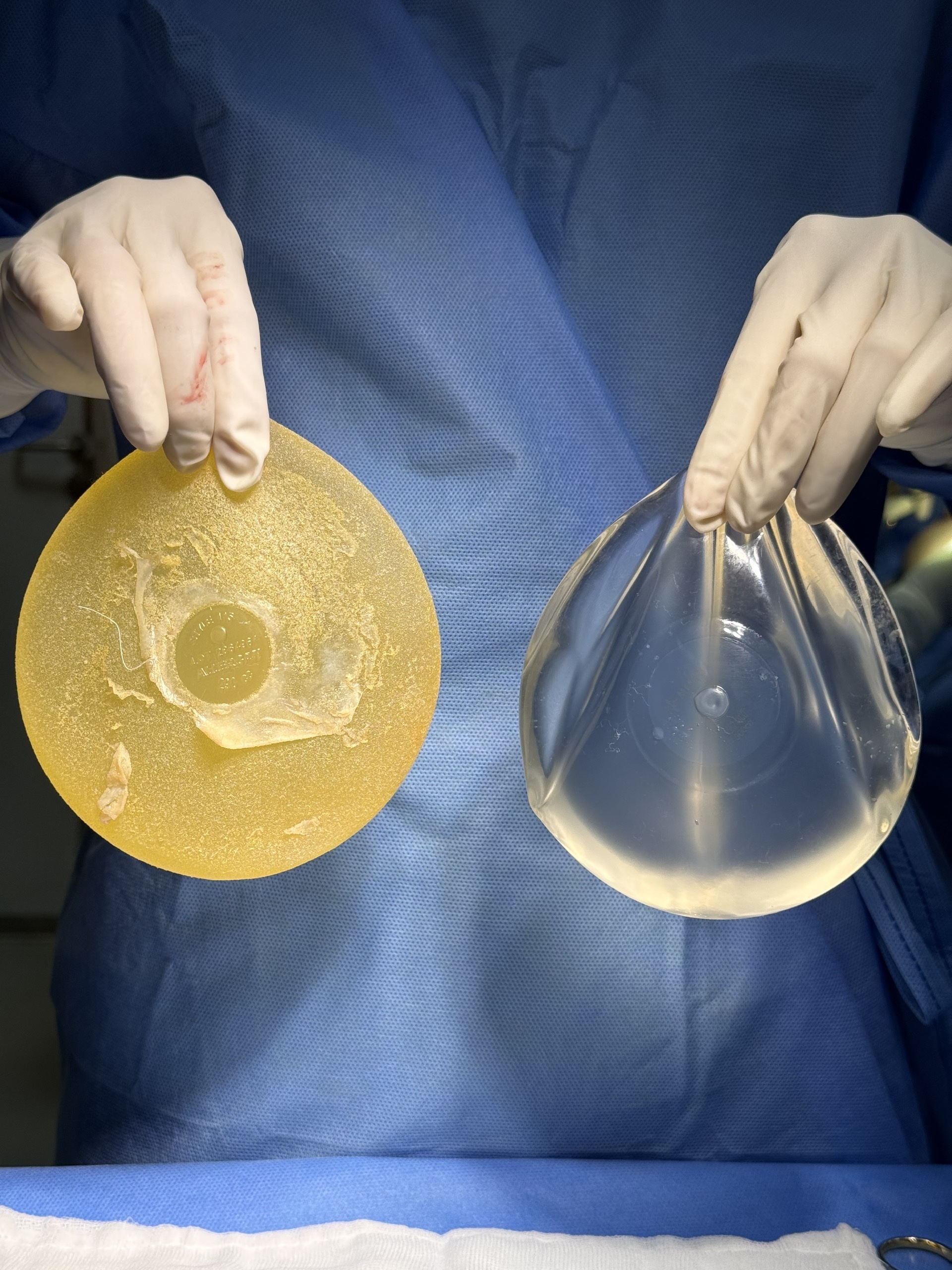
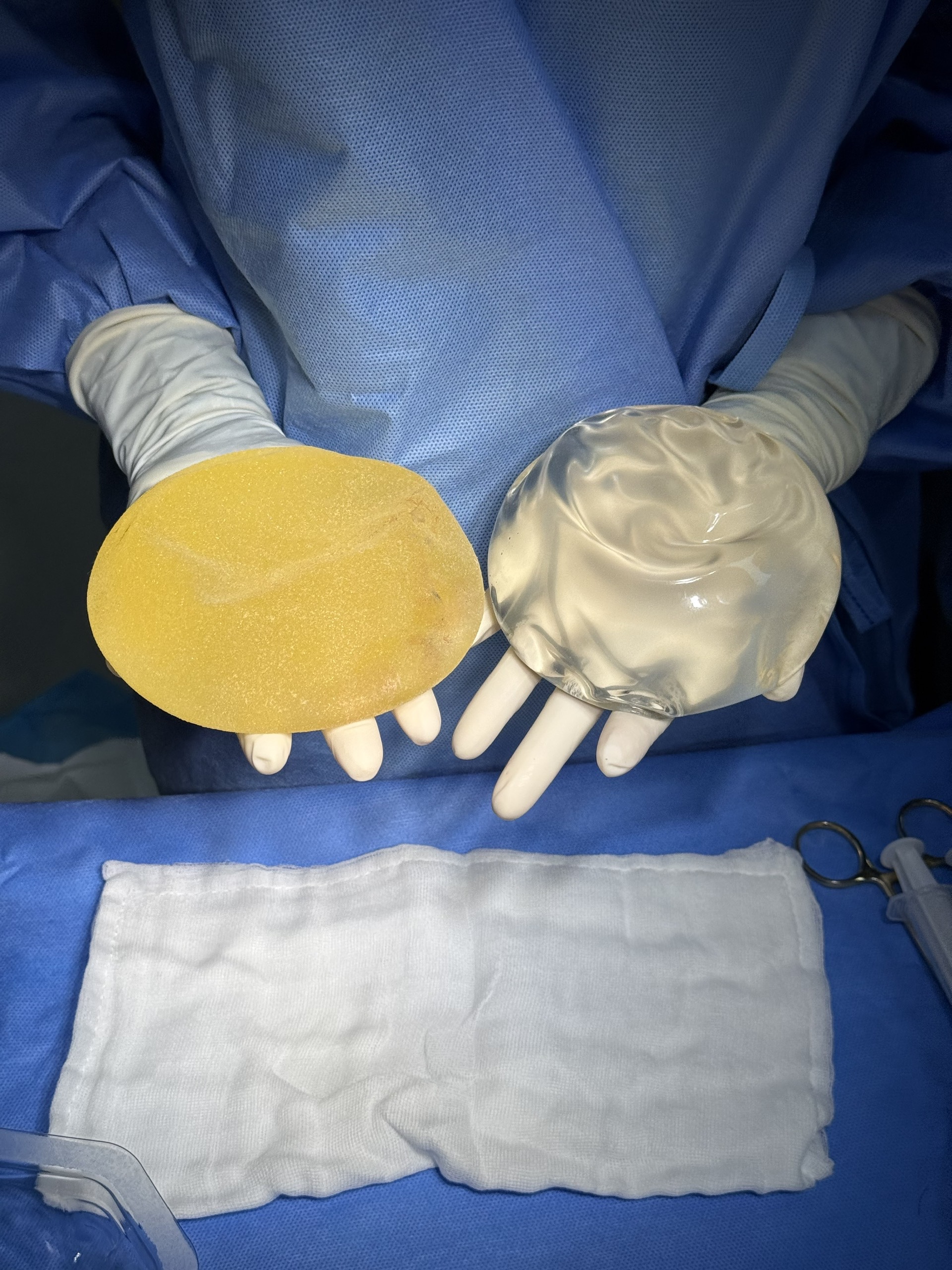
All breast implant explantation procedures performed by MSc, MD Ho Cao Vu at Nam Sai Gon International General Hospital are conducted under laryngeal mask airway (LMA) anesthesia, a routine anesthetic technique. Following surgery, patients do not require any postoperative analgesics or antibiotics. Safety is the highest priority in all aesthetic surgical procedures performed by MSc, MD Ho Cao Vu.
For patients considering surgery abroad, the practical side of safety, including hospital stay and aftercare, is covered in the cost and safety guide for implant removal in Vietnam. What recovery looks like after removal without replacement is described in what to expect after removal without replacement.
Frequently asked questions
Is the risk higher for implants placed after cancer surgery? Yes, in the TOPS data. Overall complications were 6.76% in reconstructive patients against 4.34% in cosmetic patients. Seroma was 1.06% against 0.47%, surgical site infection 1.03% against 0.23%, and wound dehiscence 0.46% against 0.14%. Loss of the implant or prosthesis was 0.52% against 0.23%. Hematoma was similar in the two groups (0.92% and 0.90%). Reconstruction patients differ in many ways from cosmetic patients, so the gap reflects the whole situation and not the implant alone.
Does having a breast lift in the same operation add risk? The evidence cited here cannot answer that. In the single-surgeon series, simultaneous lifts were done in 470 of the first 500 patients, and the overall complication rate was 5% (25 patients), with hematoma in 0.9% of breasts and seroma in 0.3%. There was no group without a lift to compare against. How lift and removal are combined in practice is covered in our article on removal and breast lift.
How serious are the rare events? In the NSQIP analysis, sepsis occurred in 8 of 2,231 patients (0.4%), and one patient each had postoperative pneumonia and a myocardial infarction. These events were very uncommon in the data.
Conclusion
Large datasets show that complications after breast implant removal are uncommon, usually in the low single digits as a share of patients, and that they concentrate where the surgery is more extensive and in patients who had reconstruction. The data do not show what the risk will be for a particular person, and they are least informative about removal of the implant alone, which none of the studies reports separately. The most useful questions before surgery are about what is planned, how much is being removed, and what happens afterwards.
References
- U.S. Food and Drug Administration — Risks and Complications of Breast Implants (updated 14 December 2023) — https://www.fda.gov/medical-devices/breast-implants/risks-and-complications-breast-implants
- Xu HH, Abi-Rafeh J, Vorstenbosch J, Davison P, Winocour S, Matros E. Complications of Aesthetic and Reconstructive Breast Implant Capsulectomy: An Analysis of 7486 Patients Using Nationwide Outcomes Data. Aesthetic Surgery Journal 2024;44(9):936–945 — https://pmc.ncbi.nlm.nih.gov/articles/PMC11334206/
- Abi-Rafeh J, Safran T, Winocour S, Dionisopoulos T, Davison P, Vorstenbosch J. Complications of Capsulectomies: An Analysis of the American College of Surgeons National Surgical Quality Improvement Program Database. Aesthetic Surgery Journal Open Forum 2022;4:ojac025 — https://pmc.ncbi.nlm.nih.gov/articles/PMC9212085/
- Nicolaidis SC, Boucher M, Lu M. Complications following 500 consecutive explantations with simultaneous breast lift (single-surgeon series). JPRAS Open 2026;50:102–104 — https://pmc.ncbi.nlm.nih.gov/articles/PMC13147818/