Breast Augmentation in Vietnam: A Guide for International Patients
Dr. Ho Cao Vu — Plastic, Reconstructive and Aesthetic Surgeon
Dr. Ho Cao Vu holds Practising Certificate No. 028475/BYT-CCHN, issued by the Ministry of Health on 28 June 2018. He has more than 15 years of experience in Plastic, Reconstructive and Aesthetic Surgery and more than 20 years of experience in General Surgery. Dr. Ho Cao Vu is a pioneer in Vietnam in applying the Harmonic Ultrasonic Scalpel to breast augmentation surgery.
This guide is intended for international patients considering breast augmentation in Vietnam. It explains the factors that may contribute to cost differences, the practical considerations involved in travelling for surgery, the information that should be verified before booking and the recovery period Dr. Ho Cao Vu recommends for patients arriving from abroad. Consultations and preoperative assessments are provided at Dr. Breast X. All aesthetic surgical procedures are performed directly by Dr. Ho Cao Vu at Nam Sai Gon International Hospital in accordance with the hospital’s clinical and safety protocols.
For context, Vietnam’s medical tourism market was valued at USD 850.9 million in 2025 and is projected to grow at a compound annual rate of 17.98% between 2026 and 2034, reaching approximately USD 3,767.7 million by 2034, according to IMARC Group. These market estimates indicate sector growth, not the quality or safety of an individual provider. Each surgeon, facility and treatment plan should therefore be assessed using the checks outlined later in this guide.
Where the cost difference comes from
Lower breast augmentation prices in Vietnam may reflect differences in labour costs, facility fees and operating expenses. Surgeon and nursing fees, operating theatre costs, hospital overheads, administrative expenses and professional liability arrangements vary between countries and can affect the final price. A lower quote should not, however, be assumed to represent either equivalent or lower standards without checking the surgeon, facility, implant and aftercare arrangements individually.
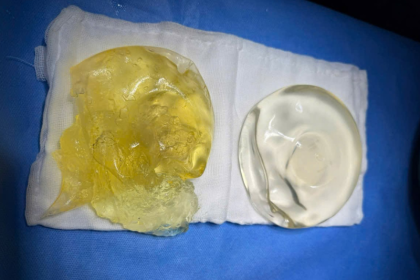
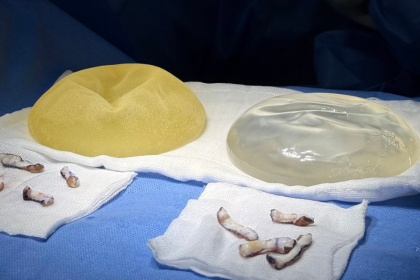
International patients often assume that a lower price signals lower standards. It is a reasonable assumption to test, and it often does not hold. What does not change with geography is the implant itself. Devices from manufacturers such as Allergan, Mentor, Motiva, Polytech and Sebbin are purchased through authorised distributors, and specific implant models supplied through those channels are the same products supplied elsewhere. If a clinic quotes an unusually low total price, the saving is coming from somewhere other than the implant, and it is reasonable to ask where.
Published prices at Dr. Breast X
Dr. Breast X publishes its price list rather than quoting on enquiry. Prices below are in Vietnamese dong and current as of August 2026.
| Procedure | Price |
|---|---|
| Painless breast augmentation — Mentor Memory Classic implant | 120 million VND |
| Painless breast augmentation — Mentor Extra implant | 140 million VND |
| Painless breast augmentation — Mentor MemoryGel BOOST implant | 150 million VND |
| Breast implant explantation with capsulectomy | 50 – 100 million VND |
| Mastopexy with implant placement | 140 – 200 million VND |
| Inverted-T mastopexy without implants | 100 – 210 million VND |
| Breast implant explantation and replacement | 145 – 200 million VND |
| Areolar reduction, depending on size | 30 – 50 million VND |
| Nipple reduction or shortening | 20 – 25 million VND |
| Lipoma excision | 15 – 45 million VND |
What the price includes. Discharge after 8–12 hours, no drainage, and no routine postoperative antibiotics or analgesics except in explantation cases with comorbidities. For lipoma excision, the quoted price also covers cytology and histopathology testing carried out at Nam Sai Gon International Hospital.
Patients should confirm the current figure and what it covers at consultation, since prices are periodically revised.
What patients are travelling for beyond cost
Beyond cost, three factors tend to matter more once patients look closely: surgical volume, experience with revision cases, and the availability of a specific technique.
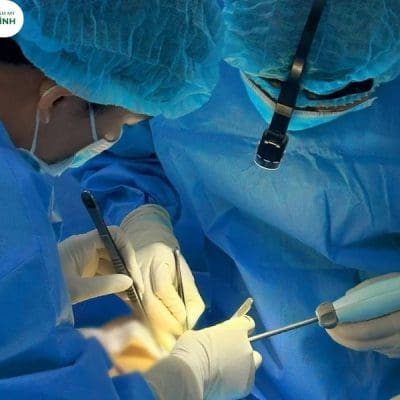
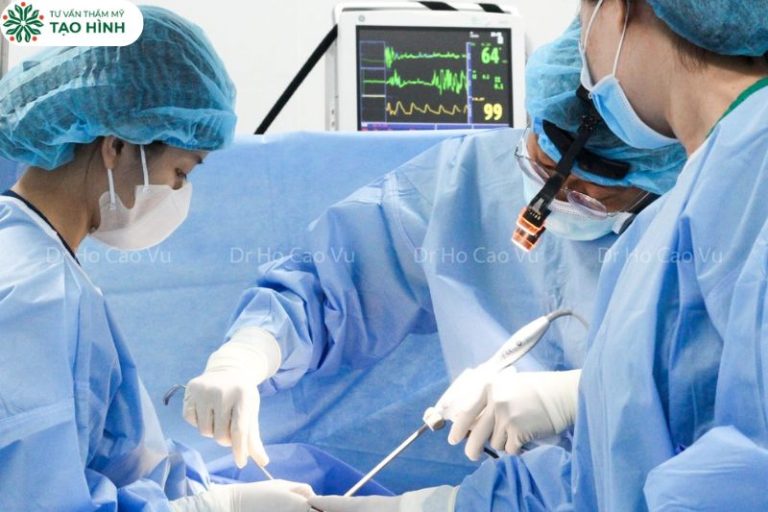
Surgical volume. Vietnam has a large domestic aesthetic surgery market, and a surgeon practising in Ho Chi Minh City may perform as many procedures in one month as a surgeon in a smaller Western market performs in three. Higher procedural volume has been associated with outcomes in a number of surgical fields, which is part of why volume is worth asking about.
Experience with revision cases. Markets with a high number of primary procedures also tend to see a corresponding number of revision cases — capsular contracture, implant rupture, malposition and symmastia — and revision surgery draws on a different set of skills from primary augmentation. For a patient whose reason for travelling is to revise a previous augmentation, experience with revision cases is a factor to consider alongside cost.
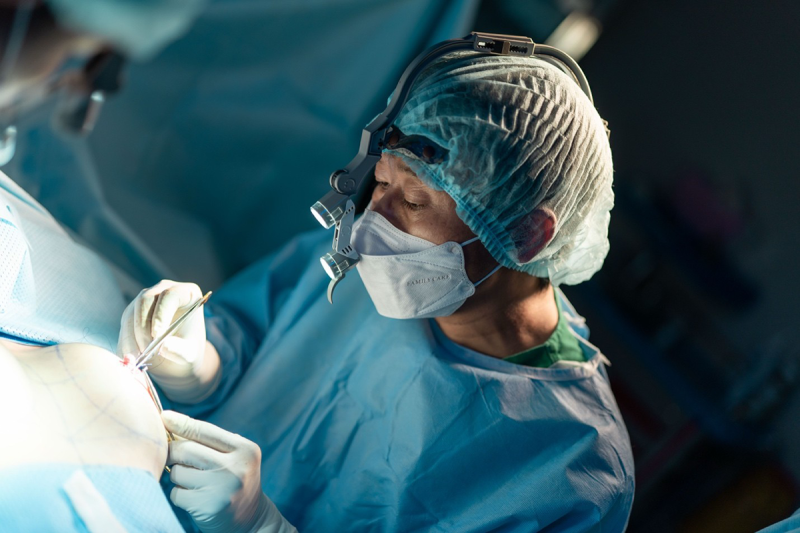
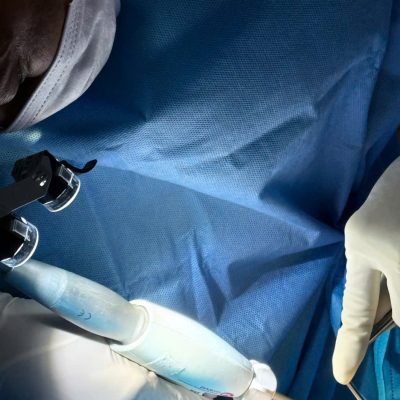
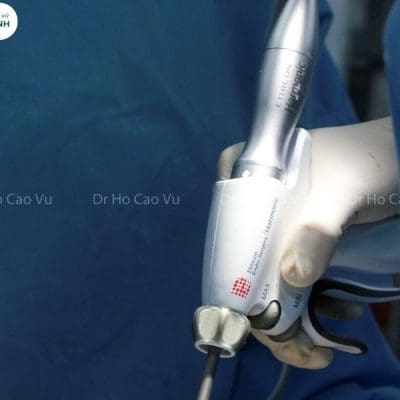
Technique availability. Ultrasonic (Harmonic) Scalpel is used as part of Dr. Ho Cao Vu’s surgical approach throughout the operation, in place of monopolar electrosurgical instruments. Patients who have specifically sought out this technique should confirm with any clinic they are considering whether it forms part of the standard approach or is offered only on request.
The Harmonic scalpel: what it does and what the evidence shows
The Harmonic Ultrasonic Scalpel uses high-frequency mechanical vibration to cut, coagulate and seal tissue. According to Johnson & Johnson MedTech, the system operates at approximately 55,500 cycles per second. This mechanism differs from monopolar electrosurgical instruments, which deliver high-frequency electrical current through tissue.
An ultrasonic scalpel generally operates at a lower temperature than monopolar electrosurgery, although its actual thermal effect varies with the specific device, power setting, tissue characteristics, activation time and surgical technique. Studies conducted under specific experimental and surgical conditions have also reported less lateral thermal spread with ultrasonic instruments. This is one reason the technique is of interest in procedures that require careful dissection near adjacent tissue.
The comparative figures below come from modified radical mastectomy, a breast cancer operation, not from aesthetic breast augmentation. In one such study, the Harmonic scalpel group showed the following results compared with electrocautery:
| Measure | Harmonic scalpel | Electrocautery |
|---|---|---|
| Intraoperative blood loss | 92.50 ± 9.67 mL | 172.50 ± 30.76 mL |
| Days of drainage | 8.90 ± 0.42 | 13.58 ± 1.26 |
| Operating time | 111.00 ± 10.71 min | 169.50 ± 19.32 min |
| Postoperative pain (VAS 0–10) | 3.75 ± 0.79 | 6.10 ± 0.85 |
According to Haval et al. (2024), these results were observed in patients undergoing modified radical mastectomy. A meta-analysis by Huang et al. (2015) reported findings in the same type of breast cancer surgery.
Because these figures come from breast cancer surgery, and there is no large randomised trial of ultrasonic dissection in aesthetic breast augmentation specifically, they should not be presented as direct evidence of equivalent benefits in aesthetic augmentation. The reasoning that the mechanism carries across is plausible but has not been tested directly in this indication.
Decisions made at consultation
Several choices shape the result, and understanding them beforehand makes the consultation considerably more productive. The main decisions are implant type, surface, placement plane, incision and measurement-based implant selection.

Implant type
Implants fall into two broad groups. Saline implants are filled with sterile salt water; rupture usually causes noticeable deflation, although imaging may still be indicated in some circumstances. Silicone gel implants include both cohesive gel and highly cohesive or form-stable gel formulations, which differ in how firmly they hold their shape.
The feel, firmness and suitability of an implant depend on the specific model, its gel characteristics and the patient’s anatomy. These factors should be assessed during consultation rather than determined from a general product description alone.
Surface
Smooth and textured breast implants interact differently with the surrounding tissue within the implant pocket. In 2019, Allergan recalled its BIOCELL textured breast implants and tissue expanders following evidence of an increased risk of breast implant-associated anaplastic large cell lymphoma (BIA-ALCL); Allergan smooth implants were not included in that recall. BIA-ALCL is a lymphoma of the immune system rather than a cancer of breast glandular tissue, and the FDA states that it occurs more commonly in patients with textured implants than in those with smooth implants. Patients should ask which implant surface and model are being proposed and why they are considered suitable.
Placement plane
Partial subpectoral placement positions the upper portion of the implant beneath the pectoralis major. Some studies have reported lower capsular contracture rates than with subglandular placement. The trade-off is pectoralis-related animation deformity with chest movement, and often more early muscle-related discomfort.
Subglandular placement positions the implant above the pectoralis major and beneath the breast tissue. It avoids pectoralis-related animation deformity and may involve less early muscle discomfort, but adequate soft-tissue coverage is required.
Dual-plane placement combines subpectoral coverage in the upper breast with selective release of the lower breast tissue. The appropriate plane depends on the patient’s anatomy, tissue coverage and surgical goals.
Incision
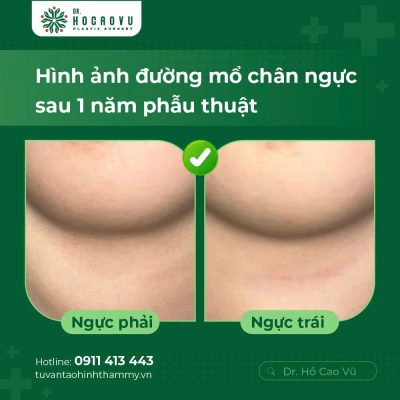
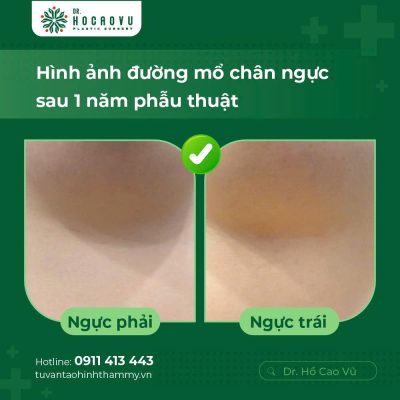
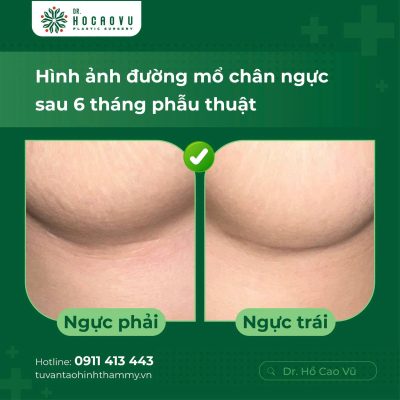
The inframammary incision provides direct access, with the resulting scar sitting in the inframammary fold, and it is commonly used. The periareolar incision and the transaxillary incision are alternatives, each with different implications for scar position and access.
Implant selection
One of the most important decisions is measurement-based implant selection. Breast base width, soft-tissue thickness and skin elasticity together determine what the anatomy can accommodate. Selecting an implant by volume alone, without anatomical measurements, does not provide an adequate basis for surgical planning.
Who this suits

Breast augmentation in Vietnam may be considered by healthy adults with realistic expectations and a stable weight. Candidacy cannot be determined from these factors alone; it also requires an individual examination, review of medical history and current medications, assessment of anaesthetic risk and a practical plan for postoperative follow-up.
Surgery may need to be reconsidered or postponed if a patient cannot remain locally for Dr. Ho Cao Vu’s recommended postoperative period, is currently smoking, vaping or using nicotine products, or has uncontrolled diabetes, a coagulation disorder or significant cardiovascular disease. Plans for pregnancy within the following 12 months should also be discussed because pregnancy may affect the aesthetic result and follow-up plan. Final candidacy is determined only after medical assessment.
What to verify before booking



Before booking surgery abroad, ask for evidence rather than reassurance, and request the key answers in writing.
Credentials: Patients should verify the practitioner’s certificate or licence number, authorised scope of practice, current status and issuing authority before booking. Vietnam’s Law on Medical Examination and Treatment No. 15/2023/QH15 assigns licensing responsibilities to the competent health authorities. The information stated on the individual practitioner’s document should be checked directly rather than inferred from a general description.
Facility: The procedure should be performed at a facility licensed for the relevant surgery, anaesthesia, monitoring and postoperative recovery.
Anaesthesia: Ask which anaesthesia professional will administer and monitor the anaesthetic and verify their qualifications.
Implant traceability: Implant traceability should be verified through the implant card, model or style, lot or serial number, authorised distribution channel and applicable warranty documentation.
Complications: Patients may ask how the clinic records and reports complication rates. Where figures are quoted, they should specify the procedure, the follow-up period and the criteria used to define a complication.
Revision policy. Ask what happens if a revision becomes necessary, who bears the cost, and over what period. Request the answer in writing before travelling.
Risks of surgery abroad
The risks of undergoing surgery abroad should be understood clearly and weighed against the potential benefits, rather than set aside.
Follow-up is more difficult. If a concern develops six weeks after surgery, the patient may be geographically distant from the surgical team. Patients should ask how remote follow-up is conducted and where an in-person assessment can be arranged if required.
Legal and regulatory frameworks differ between countries, and patients should understand what recourse is available before travelling.
Flying carries additional risk after surgery. Surgery and prolonged air travel can each increase the risk of venous thromboembolism, including deep vein thrombosis and pulmonary embolism. The CDC Yellow Book notes that travelling during postoperative recovery may further increase this risk because patients can remain seated for long periods while in a hypercoagulable state. Individual fitness to fly must therefore be assessed before departure.
Revision may require a second trip, and the cost calculation should account for that possibility rather than treating the first quoted price as final.
Language and informed consent. Valid informed consent requires the patient to understand the proposed procedure, alternatives, risks and expected recovery. The language used for consultation and consent should be confirmed before booking.
Preparing for the trip
Once the medical questions are settled, a few practical arrangements make the trip and early recovery easier.
Visa. Entry requirements vary by nationality and should be checked well before booking, as processing times differ.
Accommodation. Somewhere within a short drive of the clinic, with lift access and air conditioning, makes the first week considerably easier.
A travel companion is advisable for the first 48 hours. Patients travelling alone should arrange in advance for someone to check on them.
What to bring. Front-fastening tops are practical, since overhead arm movement may be restricted during early recovery depending on the surgeon’s postoperative protocol. Bring all current medications in their original packaging, along with copies of any previous operative records or imaging.
Insurance. Standard travel insurance often excludes planned treatment and related complications, so patients should check the policy terms before travelling. Specialist medical travel policies exist and are worth reviewing.
Nicotine. Patients may be instructed to stop smoking, vaping and using nicotine products for at least four weeks before and after surgery, depending on the surgeon’s protocol. Avoiding nicotine is an important measure for reducing wound-healing complications.
Medications and supplements. Aspirin, non-steroidal anti-inflammatories, fish oil, vitamin E and several herbal supplements can affect clotting. Any changes should be made only under the direction of the surgical team and the clinician who prescribed the medication.
Dr. Ho Cao Vu’s recommended 14-day timeline
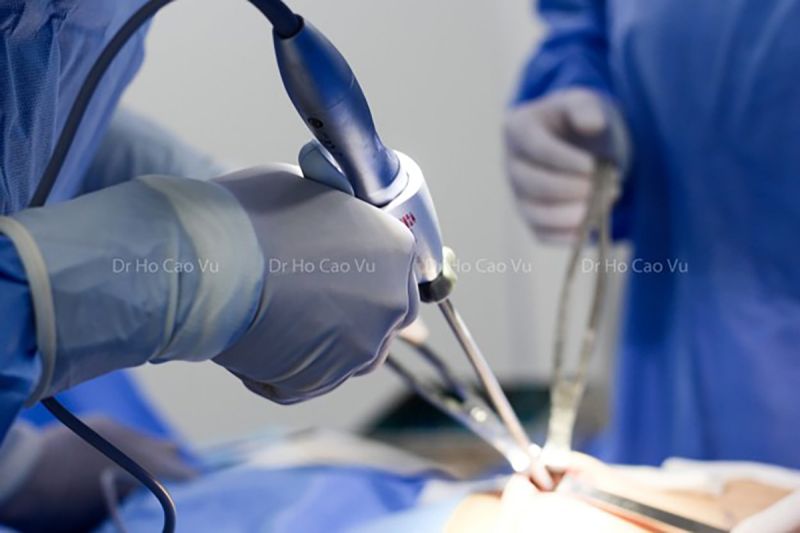
The schedule below outlines the 14-day travel and recovery period that Dr. Ho Cao Vu generally recommends for international patients. It includes consultation before surgery as well as postoperative monitoring. Individual recovery varies, and the schedule may be adjusted after assessment.
- Days 1–2: arrival and consultation. This stage includes anatomical measurements, implant selection, preoperative medical assessment and laboratory testing. Surgery is not scheduled for the day of arrival.
- Day 2–3: surgery. Discharge after 8–12 hours may be considered according to the procedure, anaesthesia, the patient’s postoperative condition and the hospital’s discharge criteria.
- Days 3–4: first review. The surgical team assesses the incision and dressing, reviews early recovery and provides guidance on mobilisation. Routine drain placement is not part of Dr. Ho Cao Vu’s stated breast augmentation protocol.
- Days 5–8: early recovery. Light walking. Avoid lifting or overhead movement unless cleared by the surgeon.
- Days 9–12: second review. The surgical team assesses the incision and sutures, provides scar-care instructions and reviews the fit of the postoperative support garment.
- Days 13–14: clearance to fly. The surgeon reassesses healing and checks for clinical signs of seroma, haematoma or early infection, and confirms clearance if recovery is progressing appropriately.
- Remote follow-up. Follow-up photographs and messages are generally scheduled at six weeks, three months and 12 months.
Why not travel sooner. Recent surgery and prolonged immobility during a long-haul flight may increase the risk of venous thromboembolism. Early departure may also place the patient far from the surgical team if a postoperative concern develops. Remaining locally for the recommended period allows more accessible clinical assessment, although it cannot eliminate every postoperative risk.
Early recovery
The following is a general overview of early recovery rather than a prediction for any individual patient.
Days 0–2. A sensation of chest tightness may occur during the first two postoperative days. With partial subpectoral placement, pectoralis-related discomfort may be more noticeable because the muscle has been elevated to accommodate the implant. Routine postoperative antibiotics and analgesics are not prescribed under Dr. Ho Cao Vu’s standard protocol; medication may be considered when clinically indicated, based on the patient’s condition.
Days 3–7. Swelling may remain noticeable during the first several days before gradually subsiding. Patients should follow the advised sleeping position and activity restrictions. Walking and normal meals may resume progressively according to individual recovery and the surgical team’s instructions.
Weeks 2–4. The implants may initially appear higher or feel firmer while swelling subsides and the tissues adapt. The breast contour may not yet represent the longer-term result during this stage, although any unexpected or increasing change should be assessed by the surgical team.
Weeks 6–12. As postoperative swelling continues to resolve and the implants settle within the pocket, the upper pole may soften, the lower pole may appear fuller and the breast contour may become more established. Implant settling can continue for approximately three to six months, although the timeframe varies between patients.
Scars and sensation. Scars may appear pink or red during early healing and usually change over time, although some patients develop widened, hypertrophic or keloid scars. Changes in nipple sensation may be temporary or permanent, and this should be discussed before surgery rather than afterwards.
Comparing Vietnam with other destinations
Rather than ranking countries, it is more useful to compare any destination or provider against the same set of criteria and see how each one answers:
- Surgeon credentials and volume — a verifiable practising certificate or licence, authorised scope of practice and current procedural volume.
- Revision experience — experience managing capsular contracture, breast implant rupture, implant malposition and symmastia.
- Facility and anaesthesia — where the surgery is performed, and who administers and monitors the anaesthetic.
- Implant traceability — implant card, model, lot or serial number, authorised distributor and warranty.
- International-patient support — the consultation language, how remote follow-up works, and what aftercare arrangements exist.
- Written revision policy — who bears the cost of a revision, and over what period.
- Realistic total cost — including the possibility of a second trip, not only the first quoted price.
International-patient services vary between providers in Vietnam. Patients should therefore confirm which services are actually available—including language support, preoperative coordination, local postoperative review and remote follow-up—rather than assuming that every provider offers the same infrastructure.
Frequently asked questions
Is breast augmentation in Vietnam safe? Safety depends on the surgeon’s qualifications and experience, the licensed surgical facility, patient selection, anaesthesia, infection-control measures, implant traceability, postoperative care and access to complication management. These factors should be assessed for the individual provider rather than inferred from the destination alone.
How much does breast augmentation cost in Vietnam? Published prices at Dr. Breast X start at 120 million VND for the service listed as “Painless Breast Augmentation” with a Mentor Memory Classic implant, with other procedures priced as shown above. Patients should confirm the current fee and its inclusions during consultation because prices may be revised.
How long should I stay? Dr. Ho Cao Vu generally recommends a 14-day local travel and recovery schedule that includes preoperative consultation, surgery and early postoperative review. The exact duration may be adjusted according to the procedure and individual recovery.
How soon can I fly? Assessment for flying is generally planned for day 13 or 14 of the schedule. Travel should proceed only if the surgeon has reassessed healing and recovery is progressing appropriately.
Are the implants the same as at home? The manufacturer’s name alone is not enough to establish equivalence. Patients should verify the exact implant model, surface, regulatory status, authorised distributor, implant card and applicable warranty documentation.
What language will my consultation be in? Consultations at Dr. Breast X are available in English and Vietnamese. Patients should confirm the language arrangement before booking.
Do I need to return for follow-up? Photographs and messaging may support remote follow-up but cannot replace an in-person examination when clinically indicated. Direct assessment is needed if new or increasing pain, swelling, redness, wound changes, asymmetry or systemic symptoms develop. For silicone gel implants, the FDA recommends ultrasound or MRI five to six years after placement and every two to three years thereafter, even when no symptoms are present.
Consultation and contact
Consultations and preoperative assessments are provided at Dr. Breast X. All aesthetic surgical procedures are performed directly by Dr. Ho Cao Vu at Nam Sai Gon International Hospital under strictly controlled safety protocols.
Contact for plastic and reconstructive surgery consultation
Phone number: 0911413443
Doctor’s Facebook: Dr Ho Cao Vu
Updated 25 August 2026.
Sources
- Vietnam Medical Tourism Market Report — IMARC Group
- Risks and Complications of Breast Implants — US Food and Drug Administration
- Breast Implant-Associated Anaplastic Large Cell Lymphoma: Questions and Answers — FDA
- Harmonic Scalpel versus Electrocautery Dissection in Modified Radical Mastectomy: A Meta-Analysis — Huang et al., 2015, PubMed
- Medical Tourism — CDC Yellow Book
- Allergan Voluntarily Recalls BIOCELL Textured Breast Implants and Tissue Expanders — FDA
- A Comparative Study of Harmonic Scalpel Versus Electrocautery Dissection in Modified Radical Mastectomy — Haval et al., 2024, PubMed
- Law on Medical Examination and Treatment No. 15/2023/QH15 — National Assembly of Vietnam
- Breast Implants — Certain Labeling Recommendations to Improve Patient Communication — FDA
- HARMONIC FOCUS Long Shears — Johnson & Johnson MedTech
- Comparison of Lateral Thermal Damage of the Human Peritoneum Using Monopolar Diathermy, Harmonic Scalpel and LigaSure — Družijanić et al., 2012, PubMed
General medical information only. Not a substitute for individual consultation.