How Long Do Breast Implants Last? What the Evidence Says About the “10-Year Rule”
MSc, MD Ho Cao Vu
Medical practice licence No. 028475/BYT-CCHN, issued by the Ministry of Health of Vietnam on 28 June 2018. Specialist in General Surgery and Plastic & Aesthetic Surgery, with over 15 years of experience in plastic and aesthetic surgery and over 20 years of general surgical experience in benign breast disease, breast cancer, abdominal wall and abdominal surgery at Cho Ray Hospital.
Updated October 2026 — cross-checked against the U.S. Food and Drug Administration’s risks and complications page (last updated 14 December 2023), the FDA’s 2011 review of silicone gel implant studies, the American Society of Plastic Surgeons, and a Mayo Clinic population study published in 2023.
Quick answer: There is no fixed expiry date for breast implants. Neither the FDA’s risk page nor the American Society of Plastic Surgeons’ safety page sets a replacement age. What the FDA does say is that implants “are not considered lifetime devices” and that the longer people have them, the greater the chance of complications. That describes a risk that builds gradually, not a deadline. In a Mayo Clinic study of women who received implants between 1992 and 2017, 13.2% had a first implant removed within 5 years and 35.3% within 20 years. A woman with no symptoms is not told by the FDA to replace her implants at ten years, but silicone gel implants do come with a scanning schedule.
The question usually arrives in a familiar form: the implants are eleven or twelve years old, nothing hurts, and a friend has said they “only last ten years.” It is worth separating three different things that get folded into that one sentence: what the regulator says about lifespan, what large studies show about how often implants are removed over time, and what a person with no symptoms is actually advised to do.
What does the FDA actually say about lifespan?
The FDA’s risk page for breast implants is short on this point and clear. It states that “Breast implants are not considered lifetime devices,” that “The longer people have them, the greater the chances are that they will develop complications,” and that “Some complications will require more surgery.” It also adds that there is no guarantee of a satisfactory cosmetic result from any reoperation.
What the page does not contain is an age. In its sections on additional surgeries and implant removal, the FDA lists the kinds of operation a person may face (removal with or without replacement, or removal of the scar capsule) but does not tell people without symptoms to remove or replace their implants at a set interval. The American Society of Plastic Surgeons takes the same position in plain words: “It is your decision to have breast implants placed, and it is your decision to have breast implants removed.”
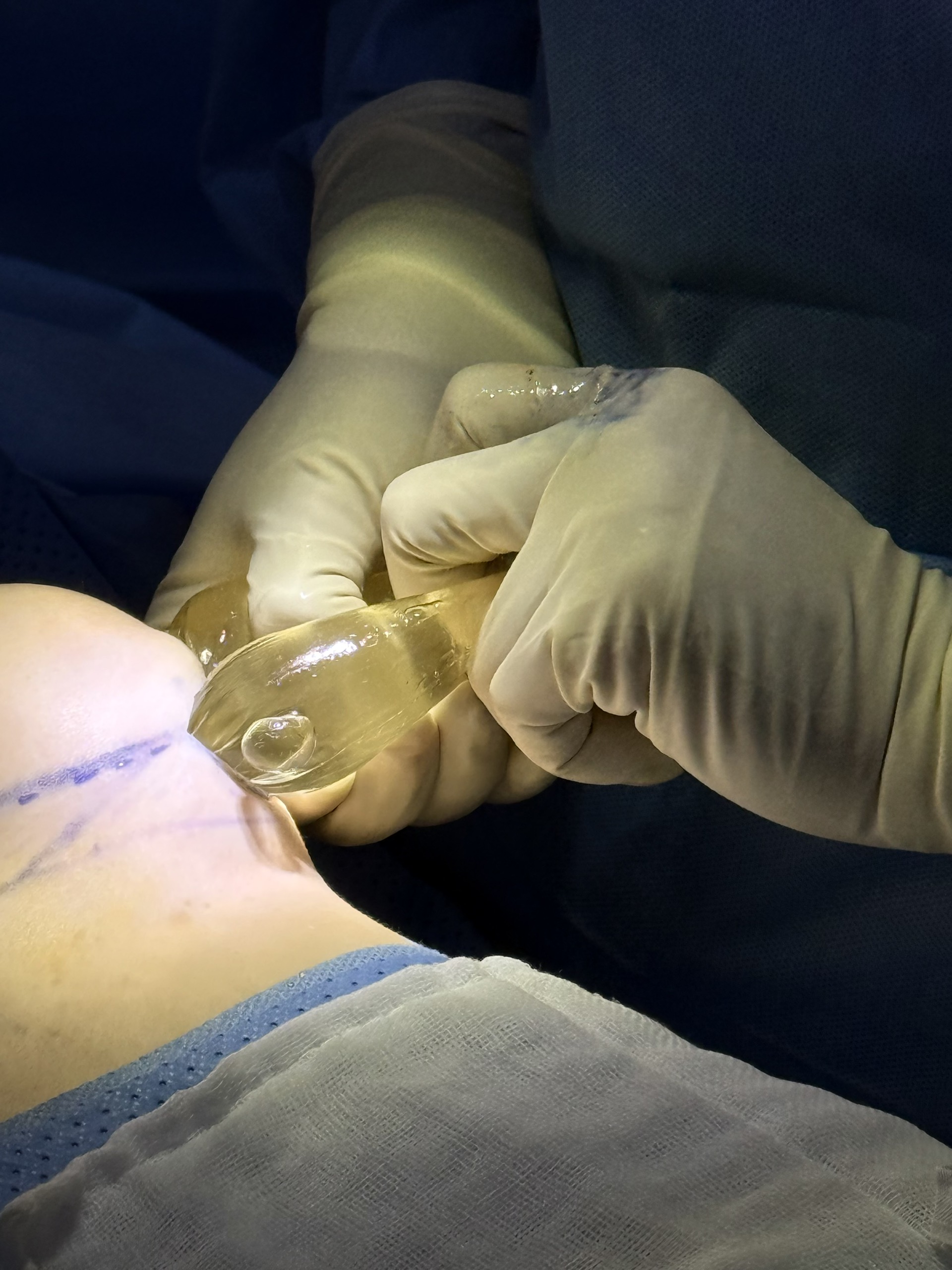
The figure most people have heard is ten years, and the nearest official source is the FDA’s 2011 review of the studies that supported approval of silicone gel implants. That review reported that “as many as one in five primary augmentation patients and one in two primary reconstruction patients require device removal within 10 years of implantation.” Two details change how that sentence should be read.
First, “as many as” is an upper bound for silicone gel implants studied by their manufacturers, not an average for every implant. Second, the follow-up was incomplete. The FDA notes that follow-up at 10 years was 66 percent in one manufacturer’s study and warns that low follow-up rates and other limitations may limit interpretation of the data. A statement that up to one in five augmentation patients needed an implant removed within a decade describes how many people went back for surgery in that group. It does not identify the age at which an implant stops working.
What a large population study shows about removal over time
A more useful picture comes from a study that followed everyone with implants in one community rather than only people who stayed in a manufacturer’s trial. Researchers at the Mayo Clinic identified 1,696 women who received breast implants in Olmsted County, Minnesota between 1964 and 2017, and published the results in Aesthetic Plastic Surgery in 2023.
In the 948 women who had implants between 1992 and 2017, the cumulative chance of having a first implant removed was 13.2% at 5 years (95% confidence interval 11.1–15.6) and 35.3% at 20 years (95% confidence interval 30.3–41.2). The curve climbs across those two decades. Nothing in these figures singles out the tenth year as a threshold, and a woman who reaches ten years with implants that feel and look the same has not crossed a line.
Several limits apply. The women were predominantly white and most had surgery at one academic centre, so the numbers may not transfer to other populations or other surgeons. The group spans devices from different generations. And implant type and the reason for surgery are tangled together in the data, so the study cannot say which type lasts longest.
Why implants come out: age is only one of the reasons
The study also recorded why the 209 women with a first removal went ahead with it. More than one reason could apply to the same woman, so the percentages add to more than 100.
- Cosmetic problems such as asymmetry or an implant that had moved out of position: 50.7%
- Capsular contracture, where the scar tissue around the implant tightens: 29.7%
- Pain or discomfort: 29.2%
- Rupture or deflation: 26.3%
- Infection, wound breakdown or inflammation: 13.9%
- Breast cancer or risk-reducing surgery: 5.3%
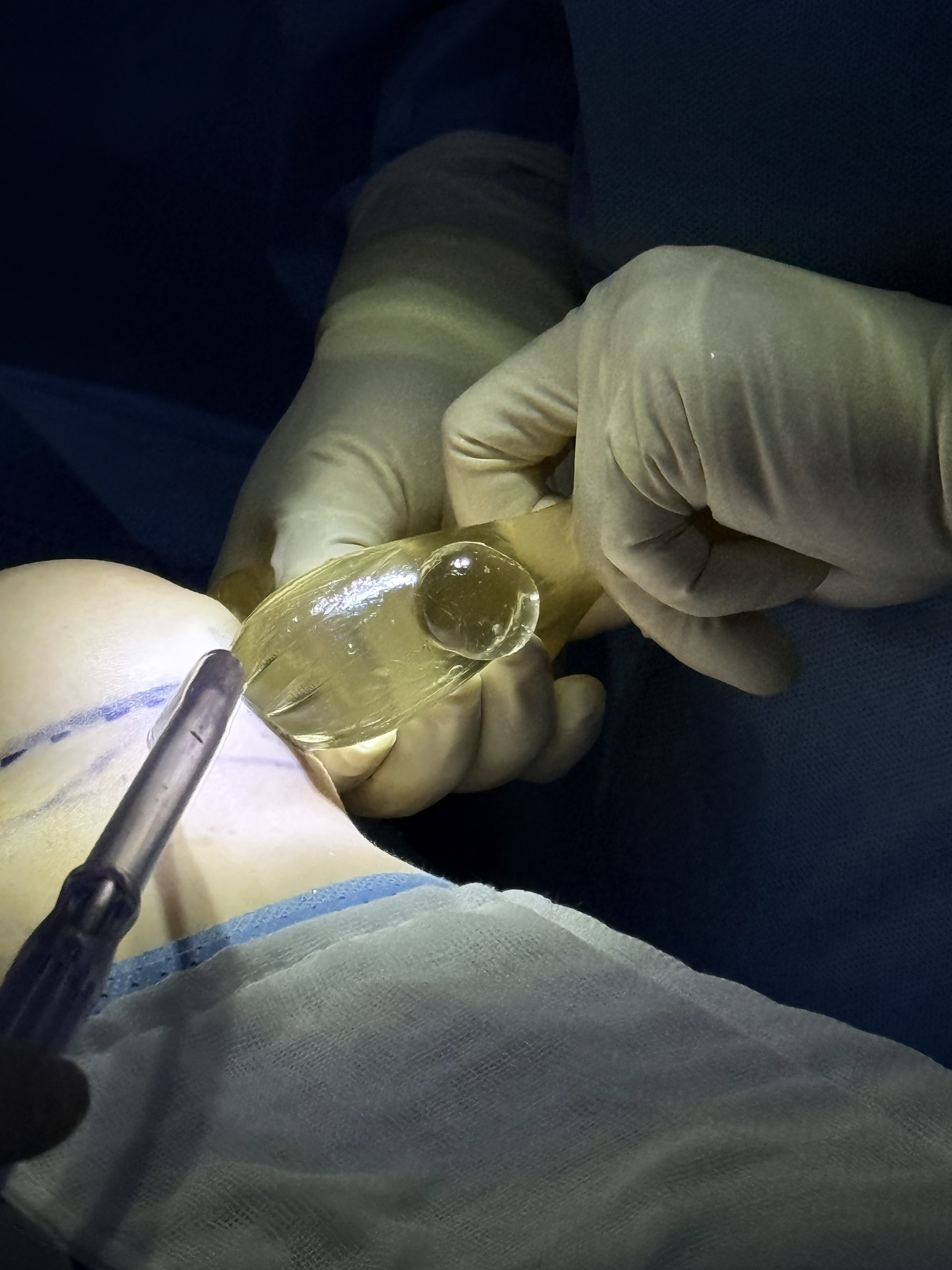
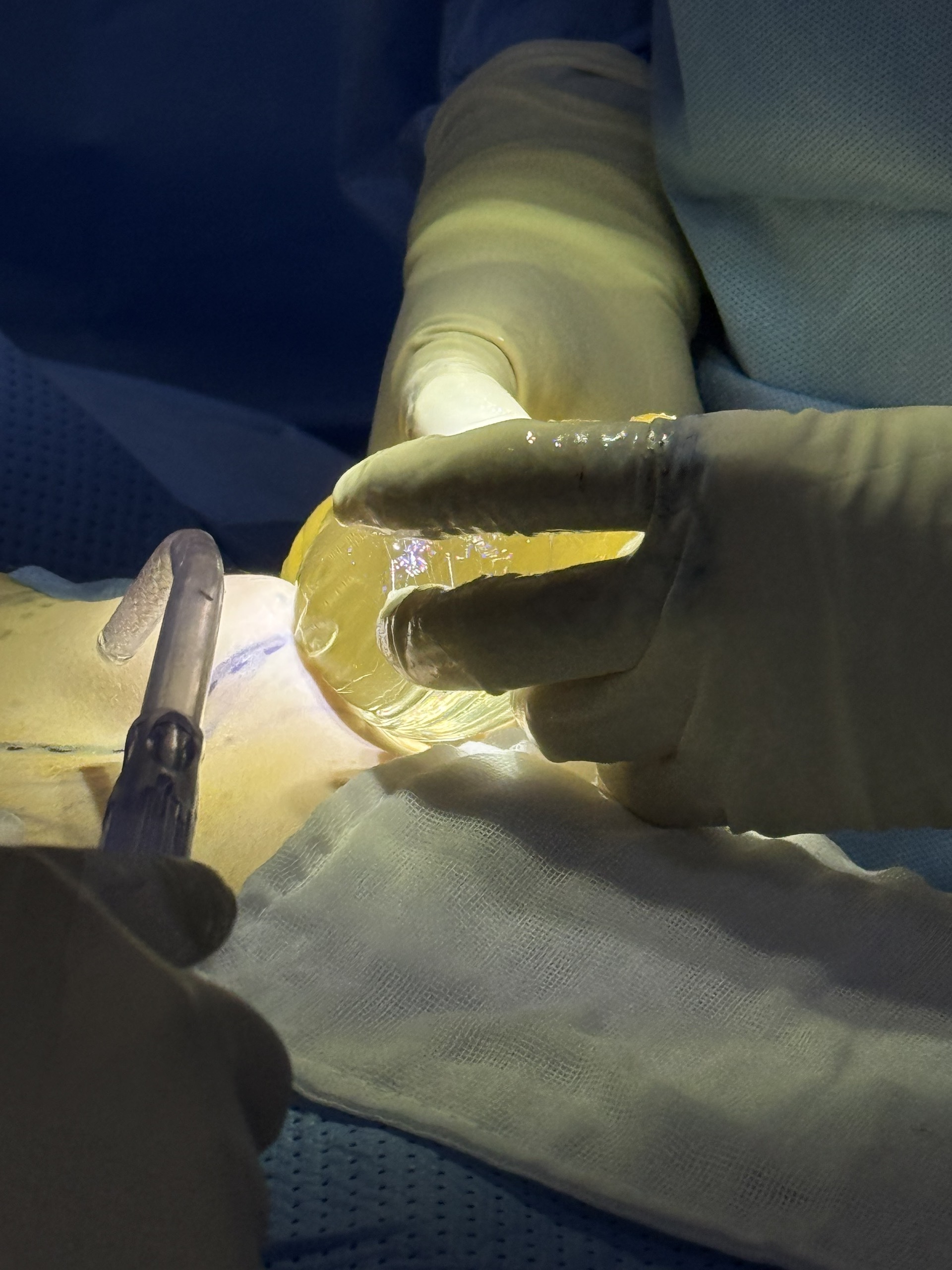
Half of the first removals involved how the implant sat or looked, and fewer than a third involved damage to the implant itself. That pattern fits what happens in practice: a change in position, a reaction in the surrounding tissue, or a problem that has nothing to do with how many years have passed. Contracture is covered in more detail in our comparison of surgical and non-surgical treatment options, and infection is one of the situations in which removal becomes urgent rather than elective.
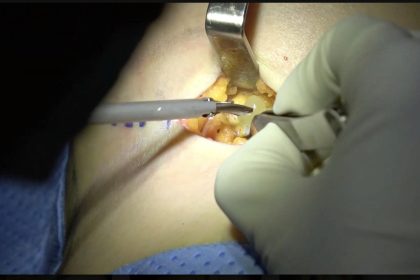
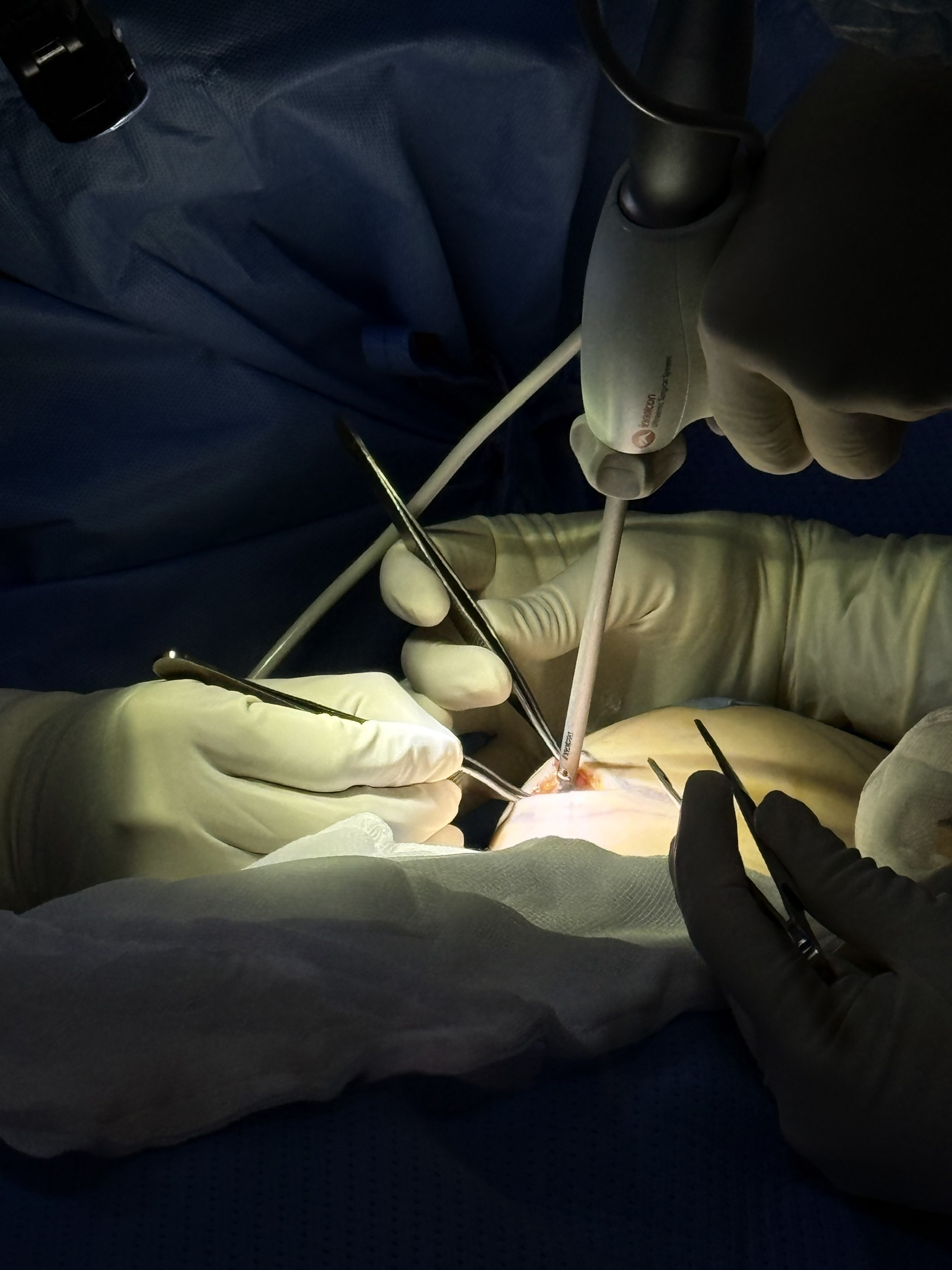
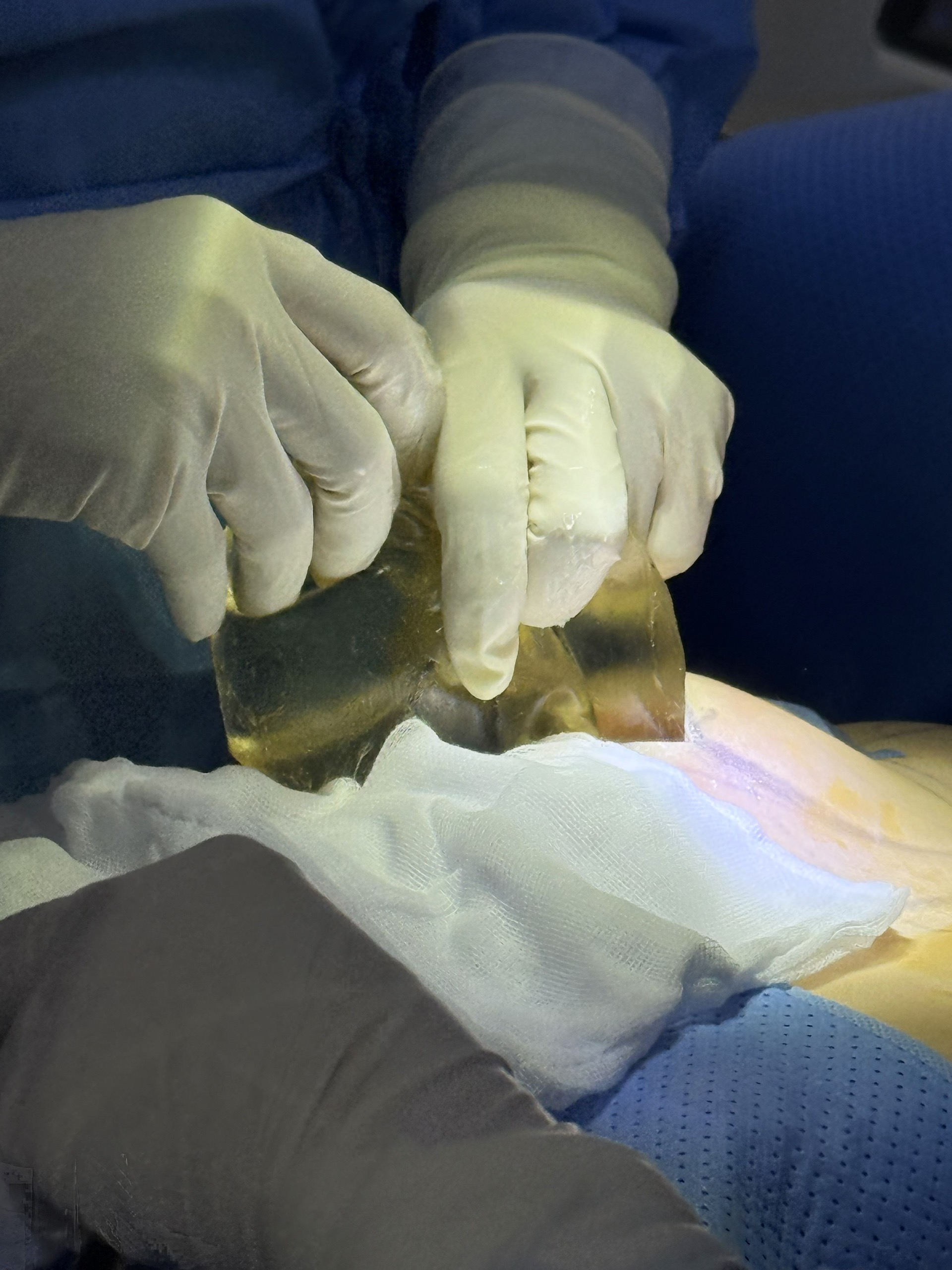
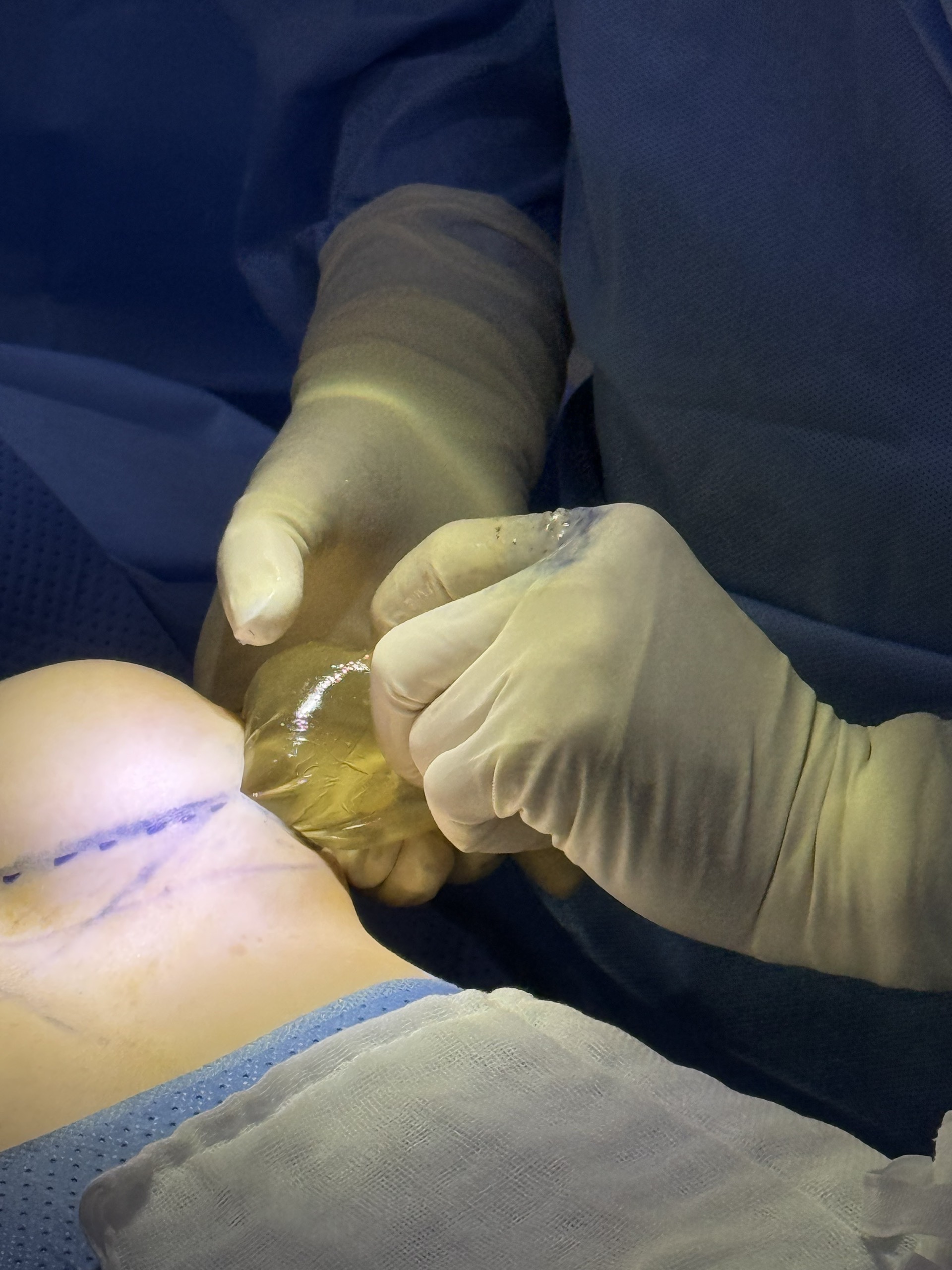
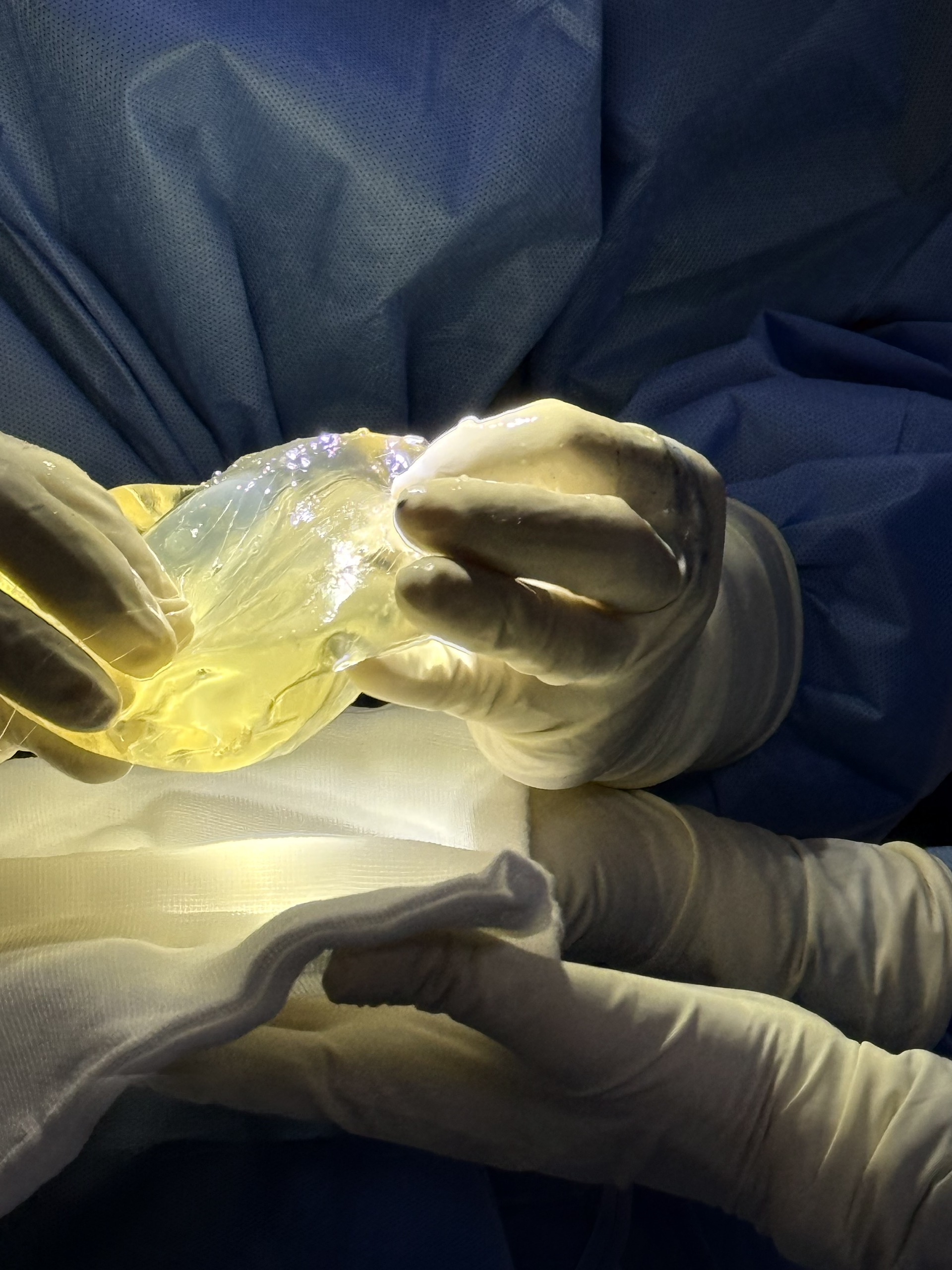
The implant pocket creation technique can also affect breast implant longevity. According to MSc, MD Ho Cao Vu, when the implant pocket is created using an ultrasonic surgical scalpel combined with implant pocket pressure adjustment, breast implants may last for more than 20 years. However, this duration does not apply to every case, as actual implant longevity also depends on the condition of the implants, the surrounding tissues, and postoperative follow-up.
If there are no symptoms: what monitoring looks like
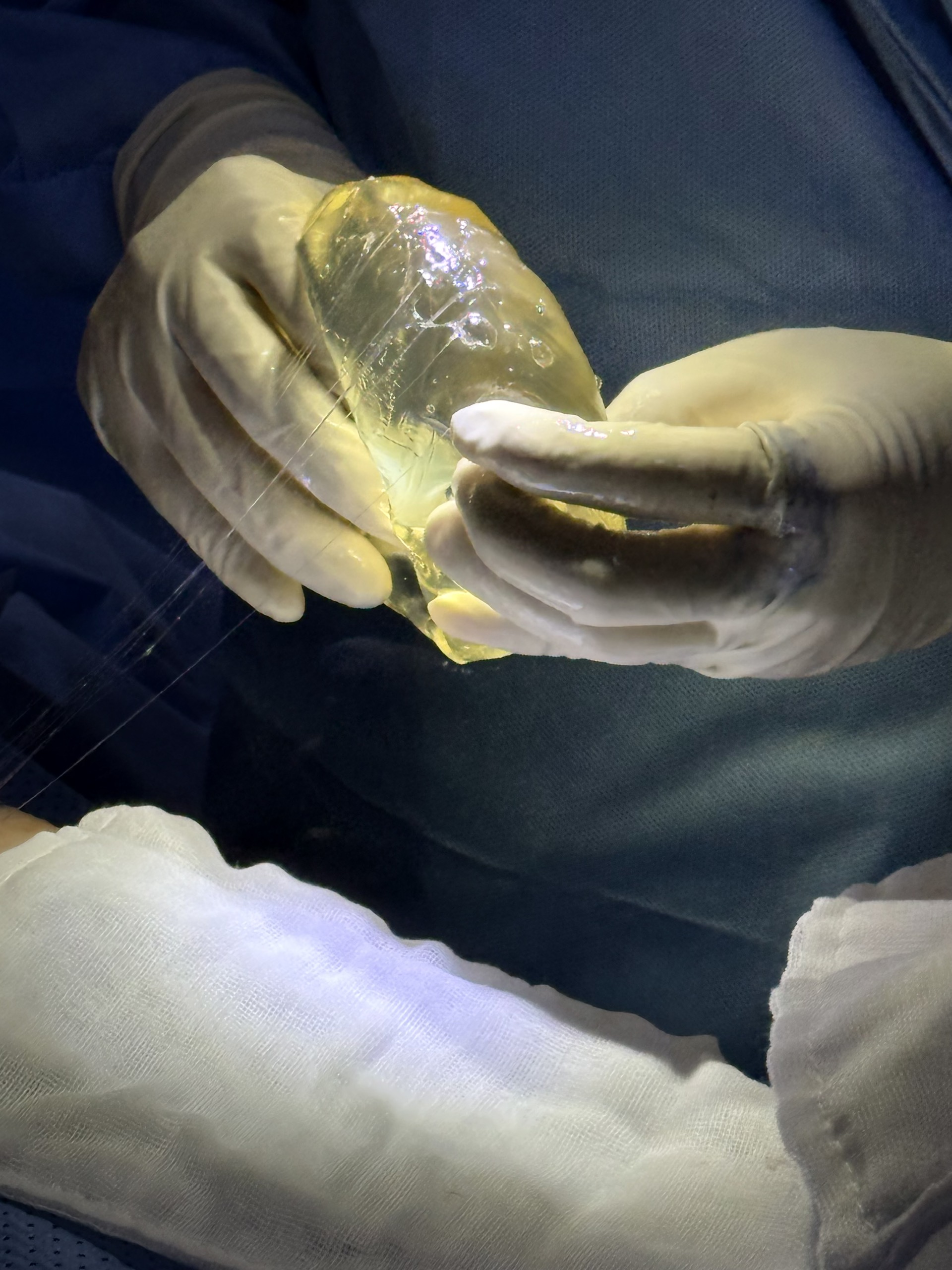
For silicone gel implants, the schedule that the American Society of Plastic Surgeons attributes to the FDA is an ultrasound or MRI beginning five to six years after placement and then every two to three years. The FDA’s risk page describes MRI as the most effective method for detecting a silent rupture and ultrasound as an acceptable alternative for people without symptoms. A saline implant that ruptures usually deflates in a way that is visible, which is why the screening schedule applies to silicone.
Screening finds a rupture; it does not prevent one. A scan that shows nothing wrong is a reason to continue as before, and a scan that shows a change is a reason to talk to a surgeon about what it means for that particular implant. The reasoning and the 2021 change to the schedule are set out in our guide to screening for silent rupture.
Changes worth raising sooner than the next scan
A scheduled scan is not the only trigger for a conversation. Some changes justify seeing a surgeon without waiting:
- One breast changing in size, shape or position compared with the other
- New firmness or tightening in an implant that used to be soft
- Pain or discomfort in an implant that had been comfortable for years
- A saline implant that appears to deflate
- Redness, warmth, swelling or fever around an implant, which calls for prompt assessment rather than watching and waiting
- An imaging report that mentions rupture, fluid around the implant, or a finding the radiologist could not fully explain
None of these on its own means an implant has “expired.” Each is a prompt to find out what is happening, and the answer is often something other than age.
What removal or replacement involves
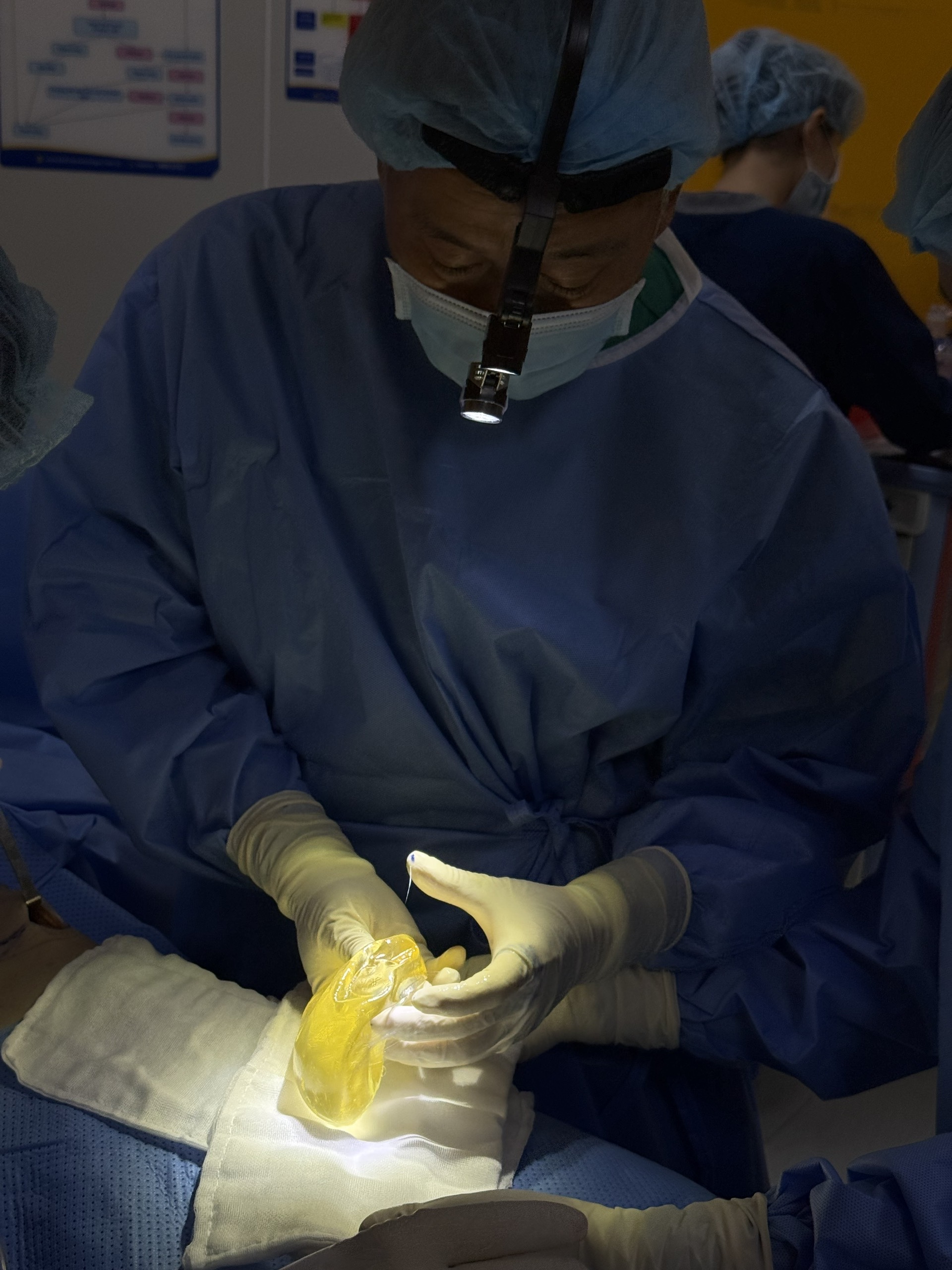
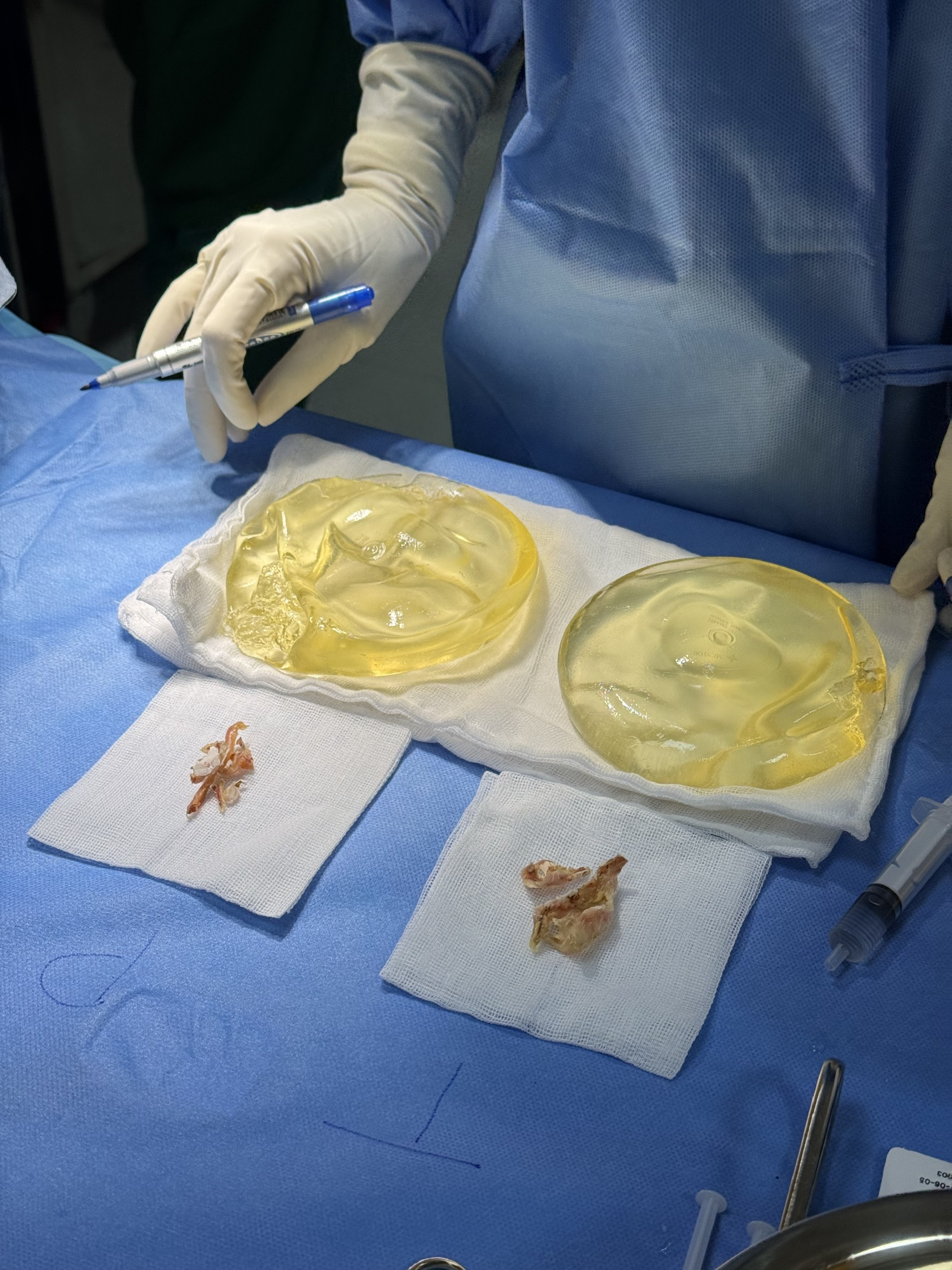
When removal is on the table, there are two separate decisions. The first is whether to take out the implant alone or to remove the surrounding scar capsule as well. The FDA’s wording is that a surgeon may remove the implant and leave the scar tissue, or may also surgically remove the capsule. Which is appropriate depends on what the capsule looks like, and the vocabulary is explained in what en bloc, total and partial capsulectomy actually mean.
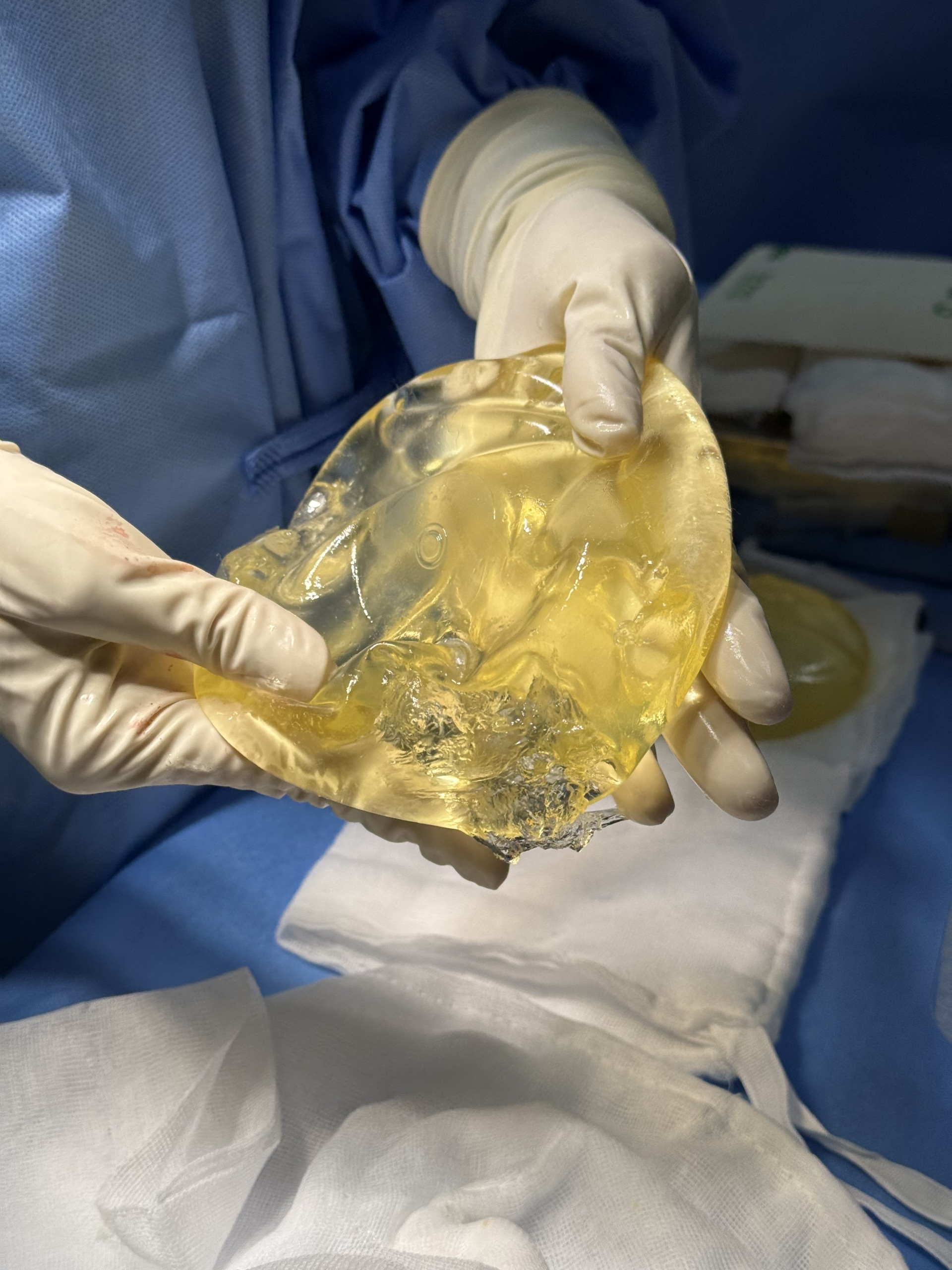
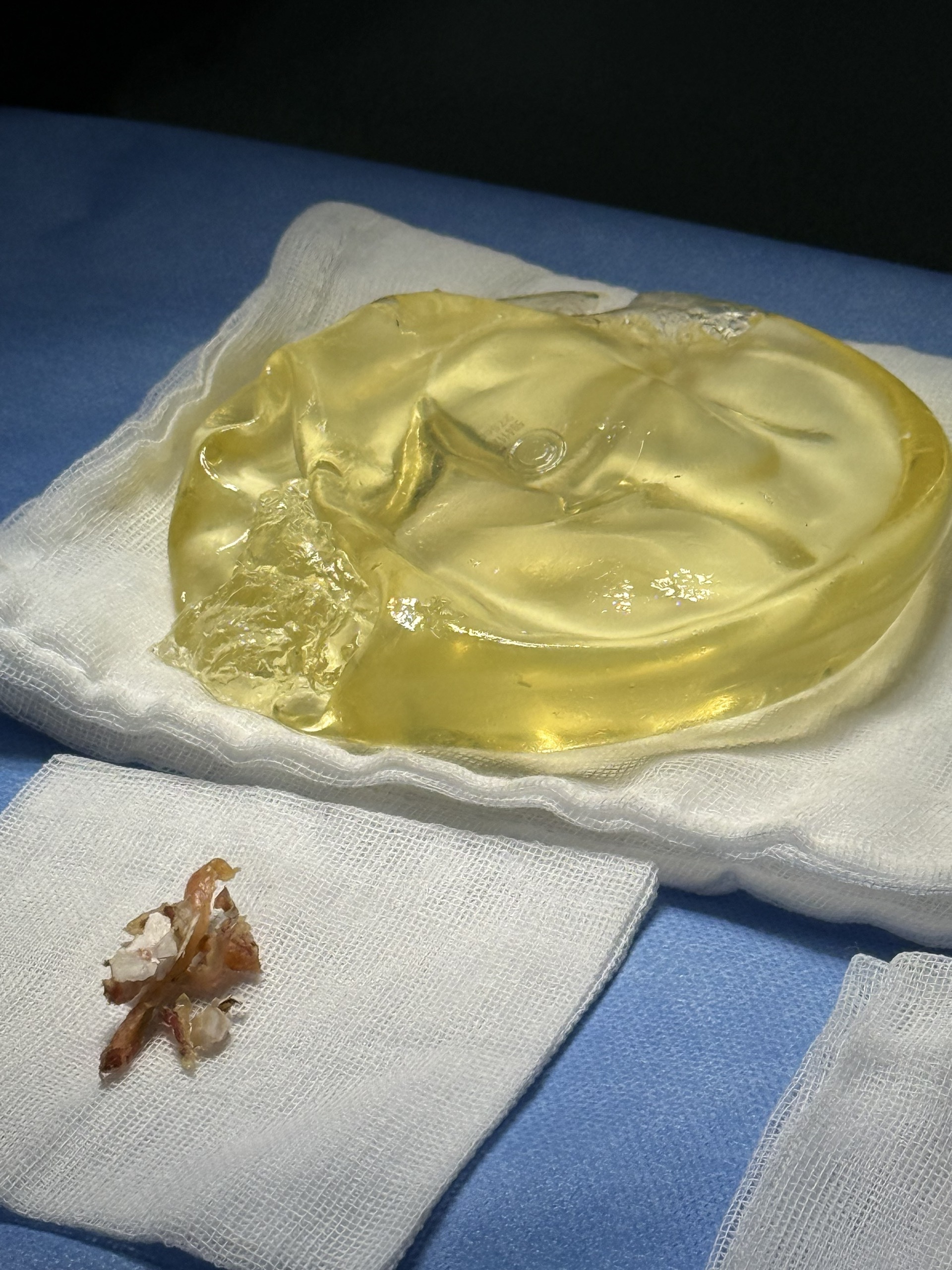
The second decision is whether to put an implant back. The FDA notes that after removal some women choose not to replace their implants and that women who do not may have dimpling, chest wall concavity, puckering or sagging (breast ptosis). How the breast looks after removal alone is influenced by factors such as skin quality, how much breast tissue there is, and how long the implants were in place. What to expect after removal without replacement walks through those outcomes, including when a lift is discussed alongside removal.
Planning ahead: cost and insurance
The FDA’s guidance for people considering implants advises assuming that further surgery will be needed at some point, and states that even with complications, the cost of implant removal or replacement may not be covered by insurance. For patients considering surgery abroad, the cost and safety guide for implant removal in Vietnam sets out what a hospital stay and recovery period involve.
Frequently asked questions
Is the risk the same for cosmetic and reconstruction implants? No. In the Mayo Clinic study, the cumulative chance of a first removal at 15 years was 14.4% (95% confidence interval 11.2–18.5) for women who had implants for cosmetic reasons, compared with 45.2% for women who had reconstruction after cancer and 55.9% for risk-reducing reconstruction. The FDA’s 2011 review shows the same direction with its “one in five” and “one in two” figures. A timeline drawn from cosmetic augmentation should therefore not be applied to reconstruction implants.
Do silicone implants last longer than saline implants? The evidence cited here cannot answer that. In the Mayo Clinic cohort, neither removal nor rupture differed significantly by implant type, but the authors point out that implant type and reason for surgery overlap, so the comparison is unreliable. The FDA’s 10-year figures come from silicone gel studies only. Claims that one type outlasts the other are best weighed against the specific data behind them.
If I have my implants removed, do I have to replace them? No. Among the 209 women in the Mayo Clinic study who had a first removal, 67% had an immediate exchange, 11% had a replacement later, and 22% did not replace them. The decision is personal and depends on what the breast looks like without the implant, which a surgeon can assess in a consultation before anything is decided.
Conclusion
The “10-year rule” is a rough memory of real data, not a rule. Implants are not lifetime devices, and the chance that one will need attention grows with the years, but the studies describe a slope rather than a cliff. For a person with no symptoms, the practical steps are knowing the implant type and the date of surgery, following the scanning schedule if the implants are silicone gel, and acting on changes in how the breasts look or feel rather than on the calendar.
References
- U.S. Food and Drug Administration — Risks and Complications of Breast Implants (updated 14 December 2023) — https://www.fda.gov/medical-devices/breast-implants/risks-and-complications-breast-implants
- U.S. Food and Drug Administration — Update on the Safety of Silicone Gel-Filled Breast Implants (2011), Executive Summary — https://www.fda.gov/medical-devices/breast-implants/update-safety-silicone-gel-filled-breast-implants-2011-executive-summary
- U.S. Food and Drug Administration — Things to Consider Before Getting Breast Implants — https://www.fda.gov/medical-devices/breast-implants/things-consider-getting-breast-implants
- American Society of Plastic Surgeons — Breast Implant Safety — https://www.plasticsurgery.org/patient-safety/breast-implant-safety
- Peterson MN, Giblon RE, Achenbach SJ, Davis JM III, TerKonda SP, Crowson CS. The incidence and outcomes of breast implants among women in Olmsted County, MN over more than 50 years. Aesthetic Plastic Surgery 2023;47(6):2268–2276 — https://pmc.ncbi.nlm.nih.gov/articles/PMC10841363/