What Is BIA-ALCL? Symptoms, Real Risk and What the Evidence Says About Textured Implants
MSc, MD Ho Cao Vu
Medical practice licence No. 028475/BYT-CCHN, issued by the Ministry of Health of Vietnam on 28 June 2018. Specialist in General Surgery and Plastic & Aesthetic Surgery, with over 15 years of experience in plastic and aesthetic surgery and over 20 years of general surgical experience in benign breast disease, breast cancer, abdominal wall and abdominal surgery at Cho Ray Hospital.
Updated October 2026 — cross-checked against the U.S. Food and Drug Administration’s BIA-ALCL pages, the FDA’s medical device report summary and a consensus review in Seminars in Plastic Surgery.
Quick answer: Breast implant-associated anaplastic large cell lymphoma (BIA-ALCL) is a rare lymphoma, a cancer of the immune system, that can form in the scar tissue and fluid around a breast implant. The FDA states that it is not breast cancer. It usually appears years after surgery, most often as a delayed collection of fluid (a seroma) or a mass next to the implant. The FDA had received 1,380 reports worldwide as of 30 June 2024, and 73% of them involved textured implants. Published risk estimates for textured implants range roughly from 1 in 1,000 to 1 in 30,000, depending on implant design and how risk is counted. Both the FDA and the consensus review advise against removing implants only as prevention when there are no symptoms. In most patients the disease is treated successfully with surgery that removes the implant and the surrounding scar capsule.
People who search for this term are usually asking one of three things: whether their own implants put them at risk, what a warning sign would look like, and what happens if the diagnosis is made. The evidence answers each of them partly, and the numbers behind it are less tidy than a single percentage suggests.
What is BIA-ALCL, and is it breast cancer?
The FDA describes breast implant-associated lymphoma as a type of non-Hodgkin lymphoma, a cancer of the immune system, and says plainly that “Breast Implant Associated Lymphoma (BIA-ALCL) is not breast cancer.” The abnormal cells are T cells found in the fluid and the capsule that forms around an implant, which is why the condition is tied to the implant and not to the breast tissue itself.
The consensus review describes the diagnostic features as anaplastic cells on cytology, expression of a marker called CD30 and a single T-cell clone, and notes that BIA-ALCL is an ALK-negative lymphoma. These terms matter mainly to the pathologist. For a patient, the practical point is that confirming the diagnosis needs laboratory tests on fluid or tissue, not a scan alone.
How many cases have been reported?
The FDA keeps a count of medical device reports, which are voluntary or mandatory reports submitted to the agency. Its summary table, current to 30 June 2024, lists 1,380 BIA-ALCL cases reported worldwide and 64 deaths in the reports received. By implant surface, the table lists 1,010 cases (73%) with textured implants and 40 (3%) with smooth implants, with the rest not classified in those two rows.
Two cautions apply when reading those figures. First, a device report count is not an incidence. It does not say how many people have implants, so it cannot tell you the chance of developing the disease. Second, the smooth-implant row needs its footnote: the FDA states that 8 of the cases have a history of at least one textured implant, and that only one has a history of one smooth implant and no known textured implant. The consensus review reaches a similar view about earlier reports, noting that 24 reported cases following smooth implants “had either minimal or no clinical history available and were unreliable.”
How common is it, really?
Estimates differ because they use different populations, different counting methods and different implant designs. The consensus review gathers several of them:
| Source | Group studied | Estimate as reported |
|---|---|---|
| Review summary | Textured implants, all manufacturers pooled | 1 in 1,000 to 1 in 30,000 |
| Doren and colleagues (United States sales data) | Textured implants | Lifetime incidence 2.03 per million patients, or prevalence 1 in 30,000; a sixfold difference between manufacturers |
| Australian regulator (TGA) | Women with textured implants | 1 in 1,000 to 1 in 10,000 |
| CARE trial | One textured design (Allergan Biocell) | 1 in 2,207 (95% CI 1,120 to 5,112) |
| Magnusson and colleagues (Australia and New Zealand) | Biocell compared with Siltex | 1 in 3,345 against 1 in 86,029; odds ratio 16.52 (95% CI 3.60 to 293.05) |
The review also reports that, in an Australian series, higher surface texturisation or macrotextured surfaces accounted for 85% of cases.
Three things stand out. The estimates span a factor of thirty, so any single “1 in N” quoted without its source and population should be treated with caution. The design of the implant surface matters more than the word “textured” alone, because the same texture category contains designs whose estimated risks differ many-fold. And the authors of the review state their own limits: reporting to registries is incomplete worldwide, implant sales data are incomplete, and pooled figures “represent the average risk when sampling a given study population, which contains several texture manufacturers with both high and low risk devices.”
A 2024 meta-analysis in Aesthetic Plastic Surgery pooled 17 articles covering 525,475 patients with implants and found 254 patients with BIA-ALCL, with a mean time to diagnosis of 13.16 years. Its risk estimate is very imprecise, with a prevalence event rate reported as 0 (95% CI 0 to 0.1 per 1,000) and an odds ratio for breast cancer history of 28.86 (95% CI 3.123 to 266.681), so it is better read as confirming that the disease is rare than as supplying a usable number.
Do smooth implants carry the same risk?
On the evidence in these sources, the risk is concentrated in textured implants. The FDA’s report table is dominated by textured devices, the pooled meta-analysis reported two smooth-implant patients against 44 with textured implants in the cases where the surface was known, and the consensus review cites a series by Brody in which all patients with known implant characteristics had textured implants.
That does not make the risk of smooth implants a proven zero, and the data on implant history are often incomplete. What it supports is a narrower statement: if you want to understand your own situation, the surface type and design of your implant is the most informative single fact. Our comparison of textured and smooth implants explains how the two surfaces differ in practice.
What are the symptoms, and when do they appear?
The FDA lists the main symptoms as persistent swelling, a mass, or pain in the area of the breast implant, and says these may occur “well after the surgical incision has healed, often years after implant placement.”
The consensus review gives the timing and pattern in more detail. Cases appeared between 2 and 28 years after implantation, most commonly between 7 and 10 years. Most patients present with a seroma (80%) or a mass (30%) adjacent to the implant, and 60 to 80% present more than a year after implantation with a delayed collection of fluid. This is why a swelling that appears suddenly years after surgery, with no injury, is the pattern doctors take seriously. Swelling in the first weeks after surgery is a different situation and is not what these figures describe.
Persistent late swelling does not by itself mean lymphoma, and the diagnosis cannot be made by looking at the breast. It is made by testing the fluid or tissue, as described next.
How is it diagnosed?
According to the consensus review, ultrasound is the preferred initial imaging test for a suspected case, and pathology should include examination of the seroma fluid. The FDA’s guidance for clinicians says the diagnostic evaluation “should include cytological evaluation of seroma fluid or mass.” For patients the FDA describes the process as typically involving a physical examination, imaging and an assessment of the fluid or tissue.
In practice that means fluid is drawn from around the implant and sent for specialised testing, including the CD30 marker. A person with a late, unexplained swelling should therefore ask whether fluid or tissue is being sent for this pathology.
How is it treated, and what is the outlook?
The FDA states that “In most patients, it is treated successfully with surgery to remove the implant and surrounding scar tissue,” with chemotherapy and radiation used in some patients. The consensus review describes the current standard as implant removal with complete capsulectomy, and sets out when more treatment is added: chemotherapy is recommended for disease that cannot be removed or involves regional lymph nodes (stage IIE), radiation therapy should be considered when the margins are positive, and for localised disease no adjuvant chemotherapy or radiation is necessary.
The review also cites a study of 87 patients that estimated a median overall survival of 13 years after complete surgical excision. It reports that, worldwide, 33 deaths were directly attributable to the disease at the time of writing, while the FDA’s device reports now list 64 deaths in the reports received as of June 2024, a figure that includes reports with limited detail. Because the FDA count and the review count come from different sources and dates, they should not be set against each other.
The terms used for the surgery are not used identically everywhere. The sources here use “complete capsulectomy” for the operation that removes the capsule entirely; how that differs from total and en bloc capsulectomy in surgeons’ language is covered in our guide to capsulectomy terms.
Should implants be removed to prevent it?
No, not on this ground alone. The FDA says: “We are not recommending the routine removal of these or other types of breast implants in patients who have no symptoms.” The consensus review reaches the same position: “Screening and prophylactic implant removal is not recommended in asymptomatic individuals.”
That is different from regular follow-up of the implants for other reasons, such as the screening for silent rupture that the FDA recommends, described in our article on rupture screening. It is also different from a decision to remove implants for symptoms, capsular contracture or personal preference.
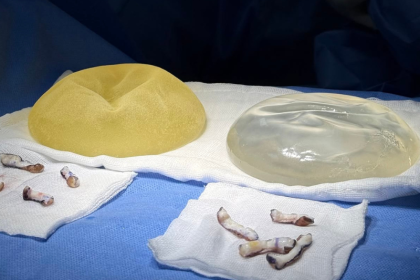
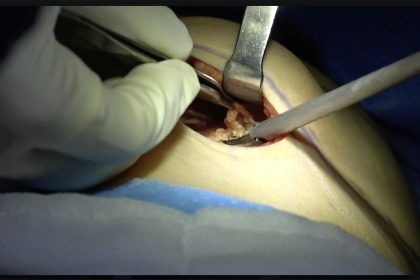
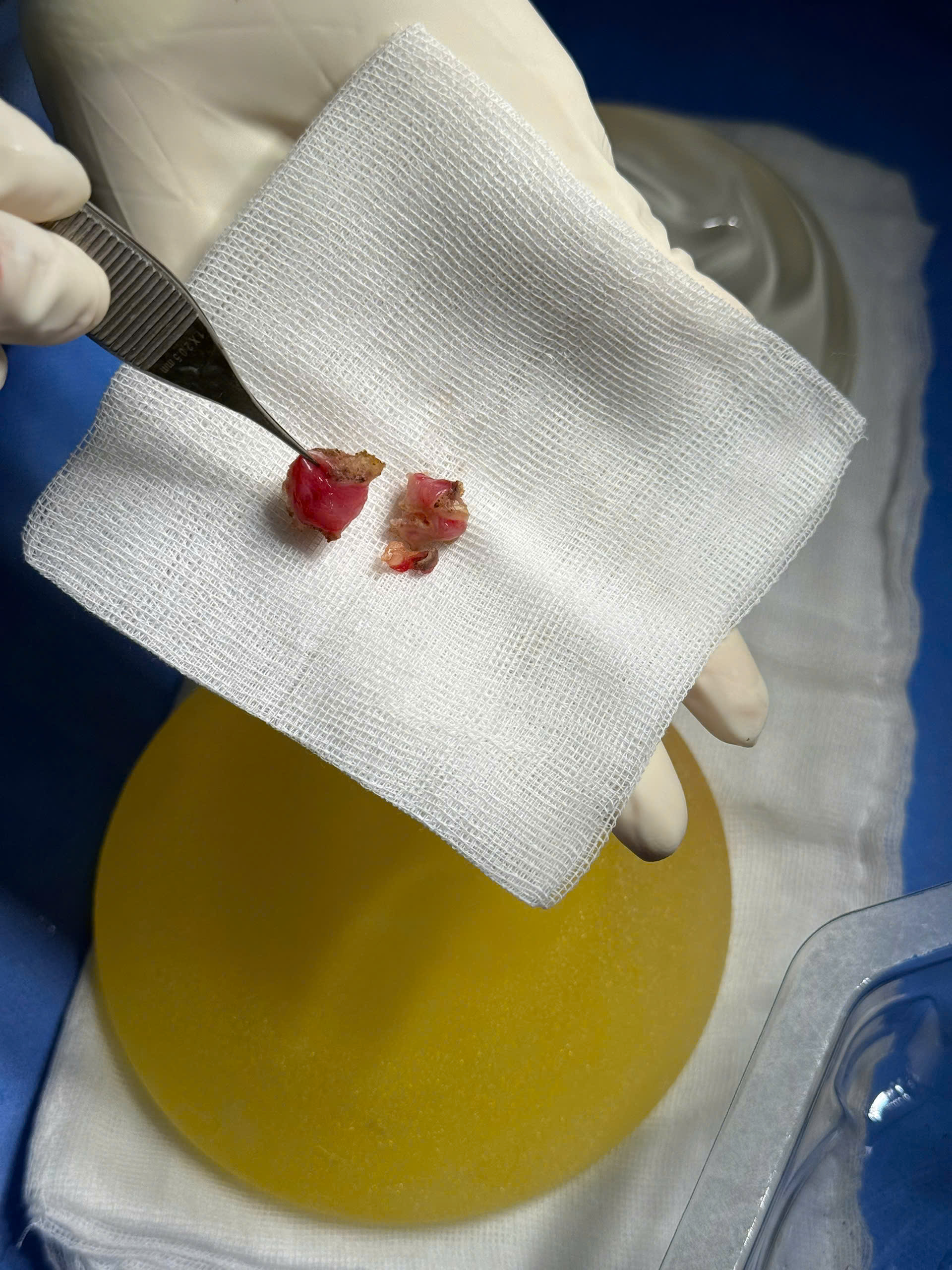
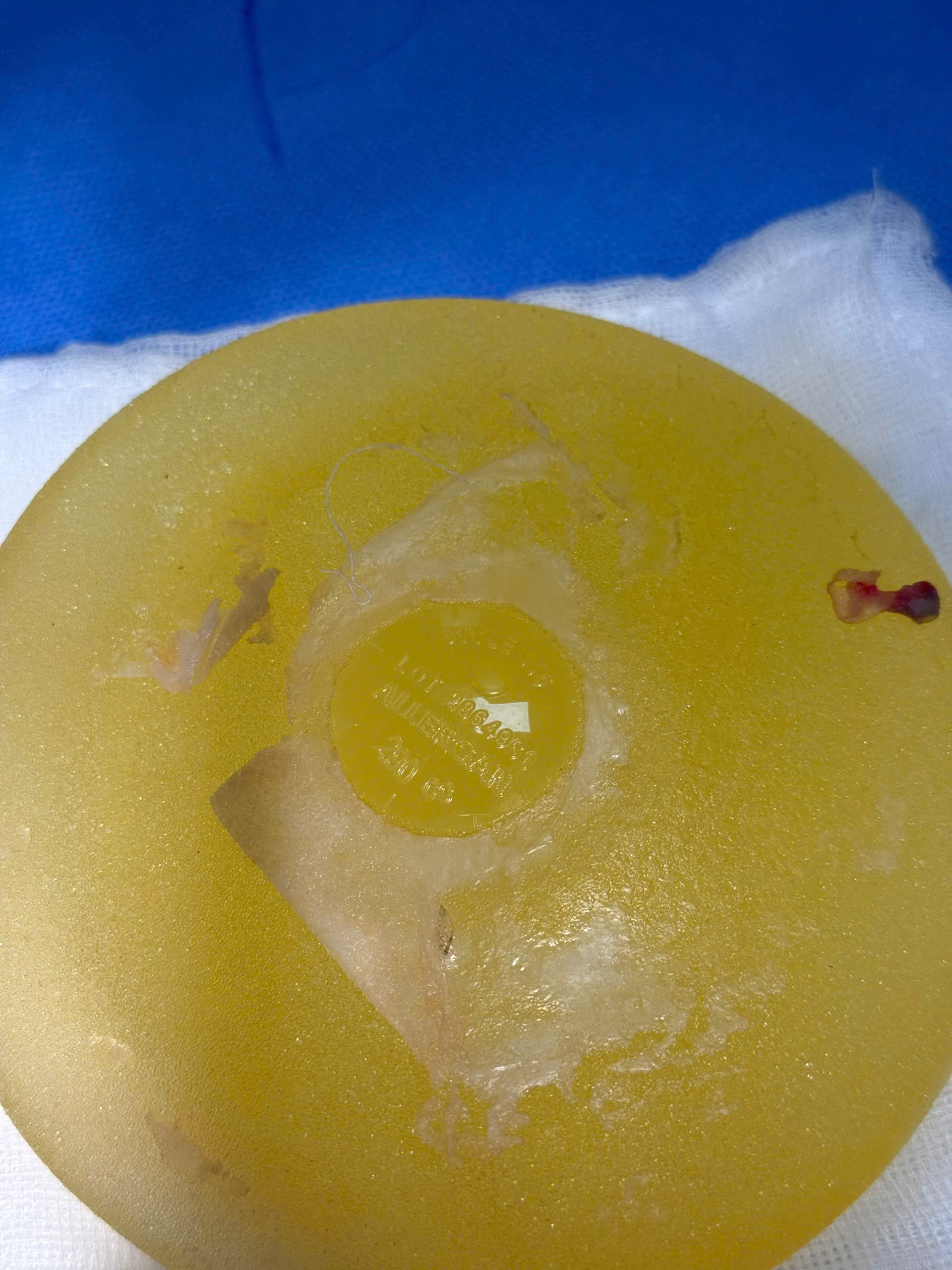
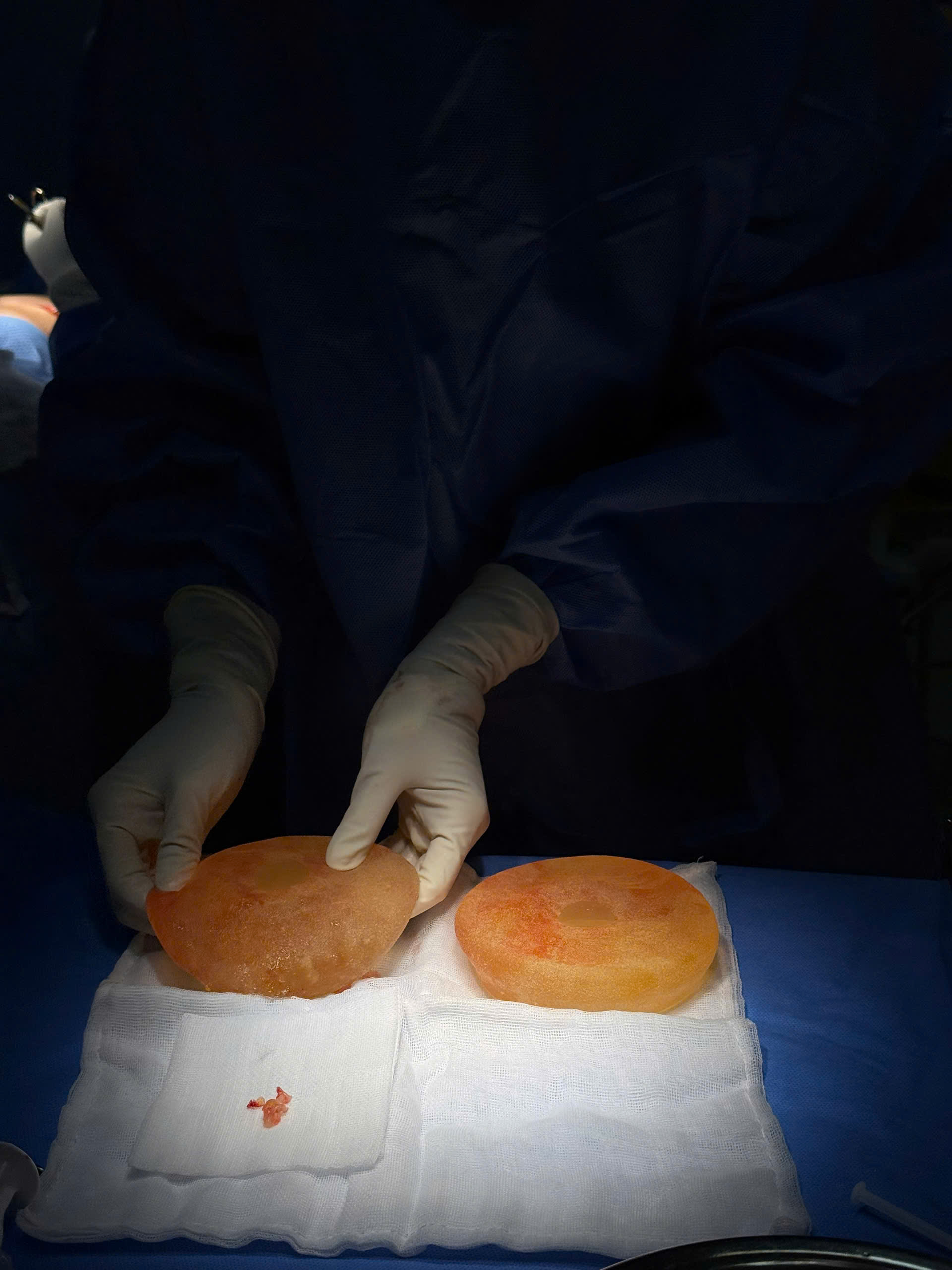
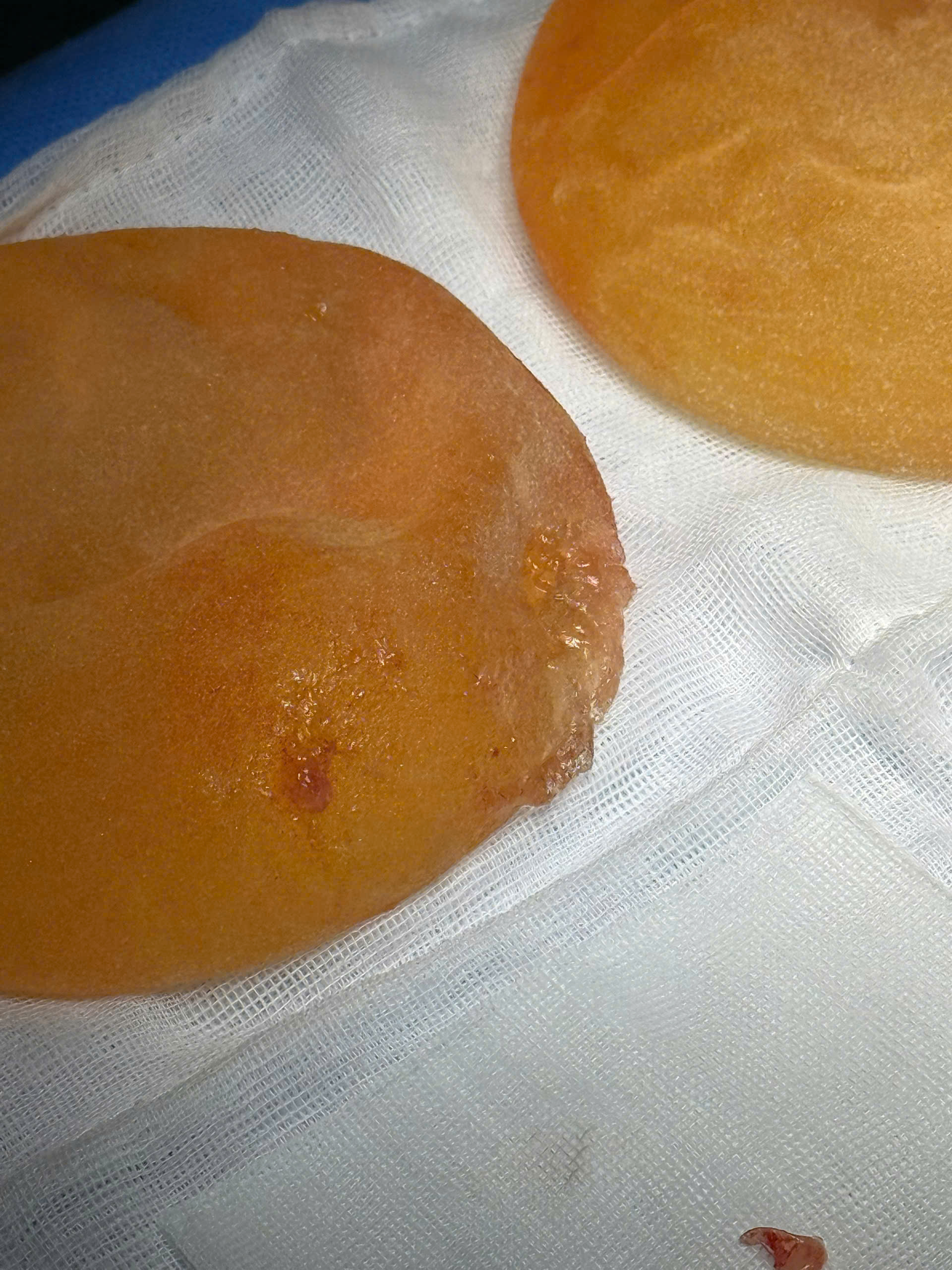
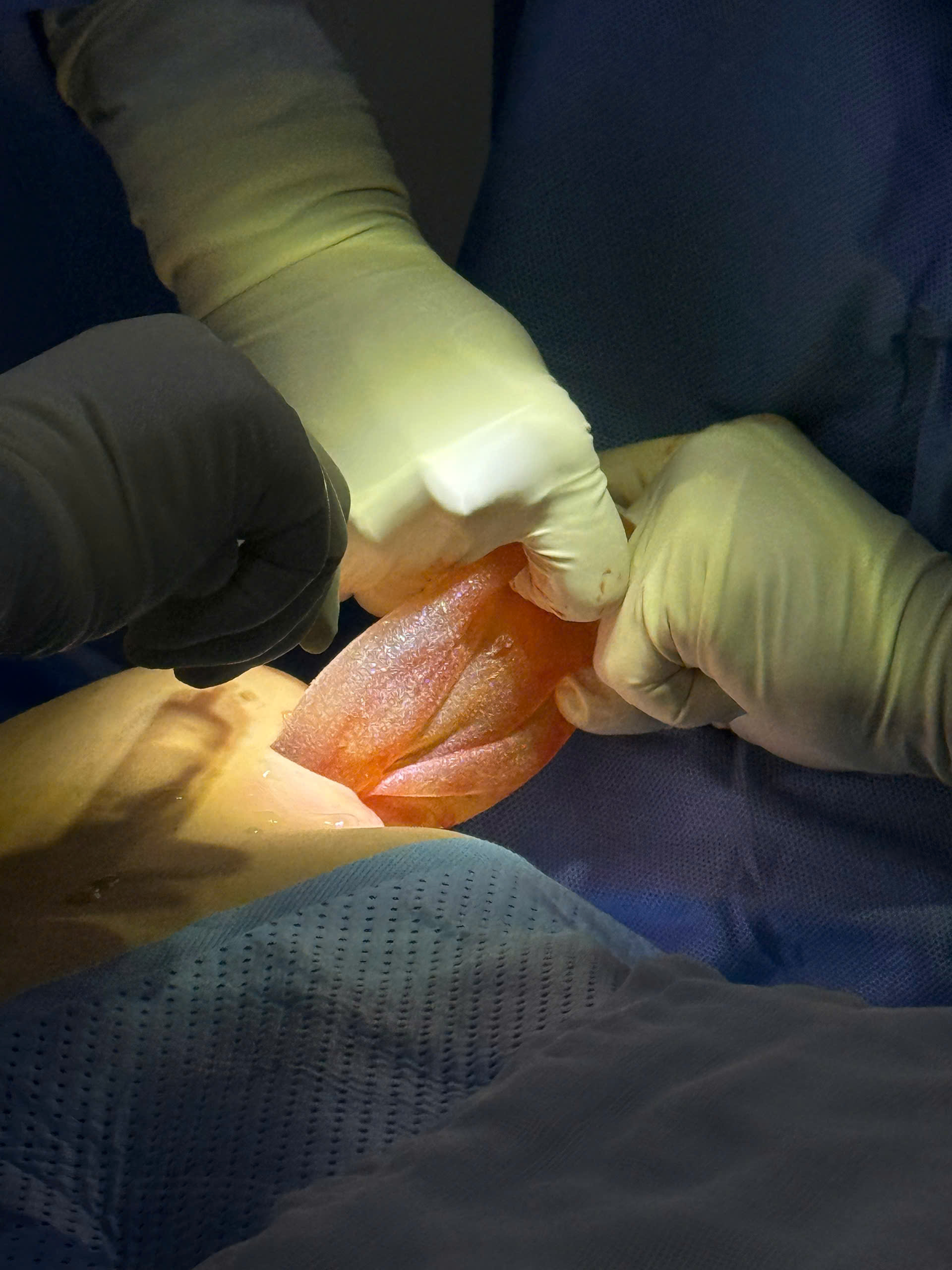
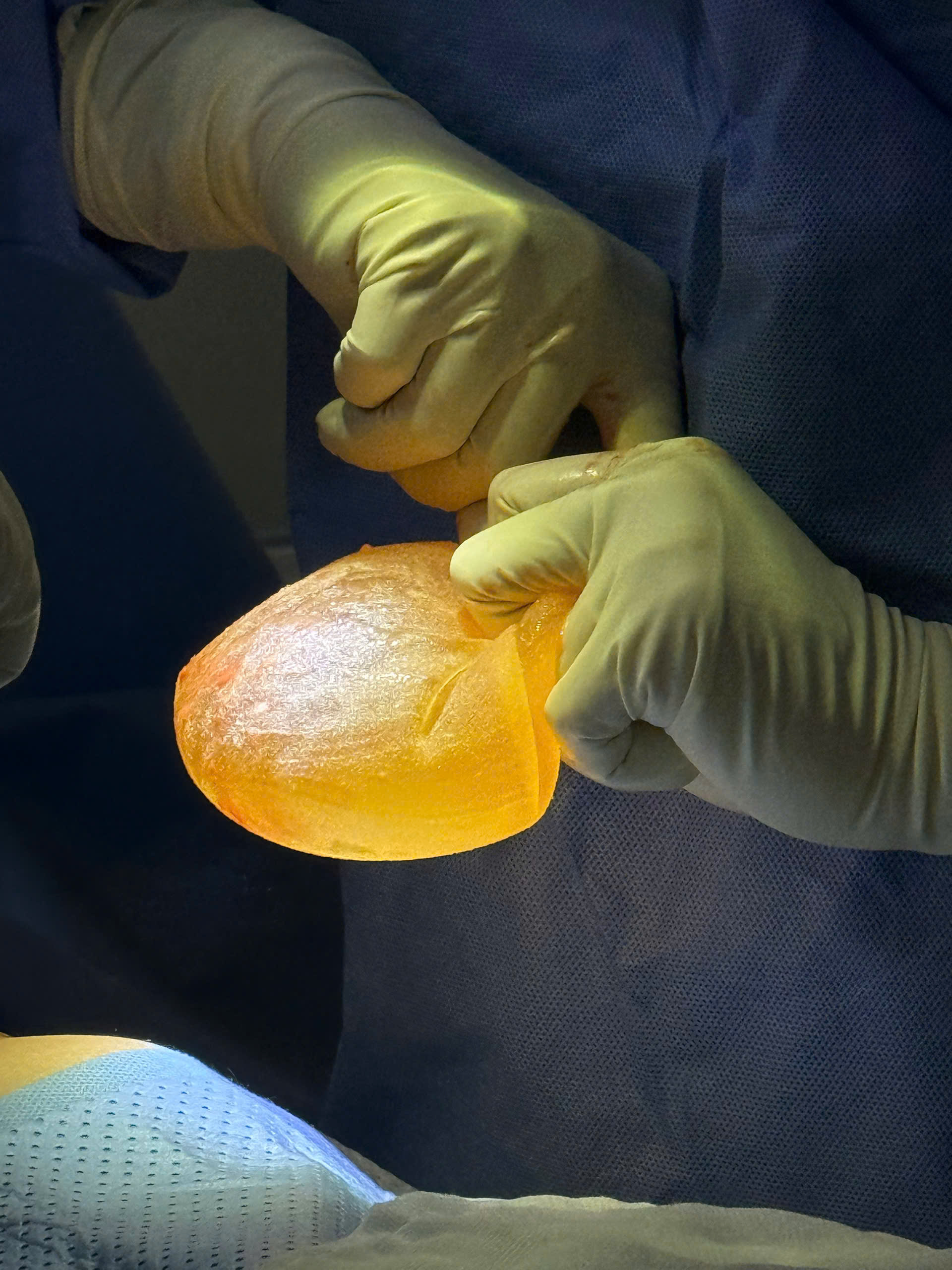
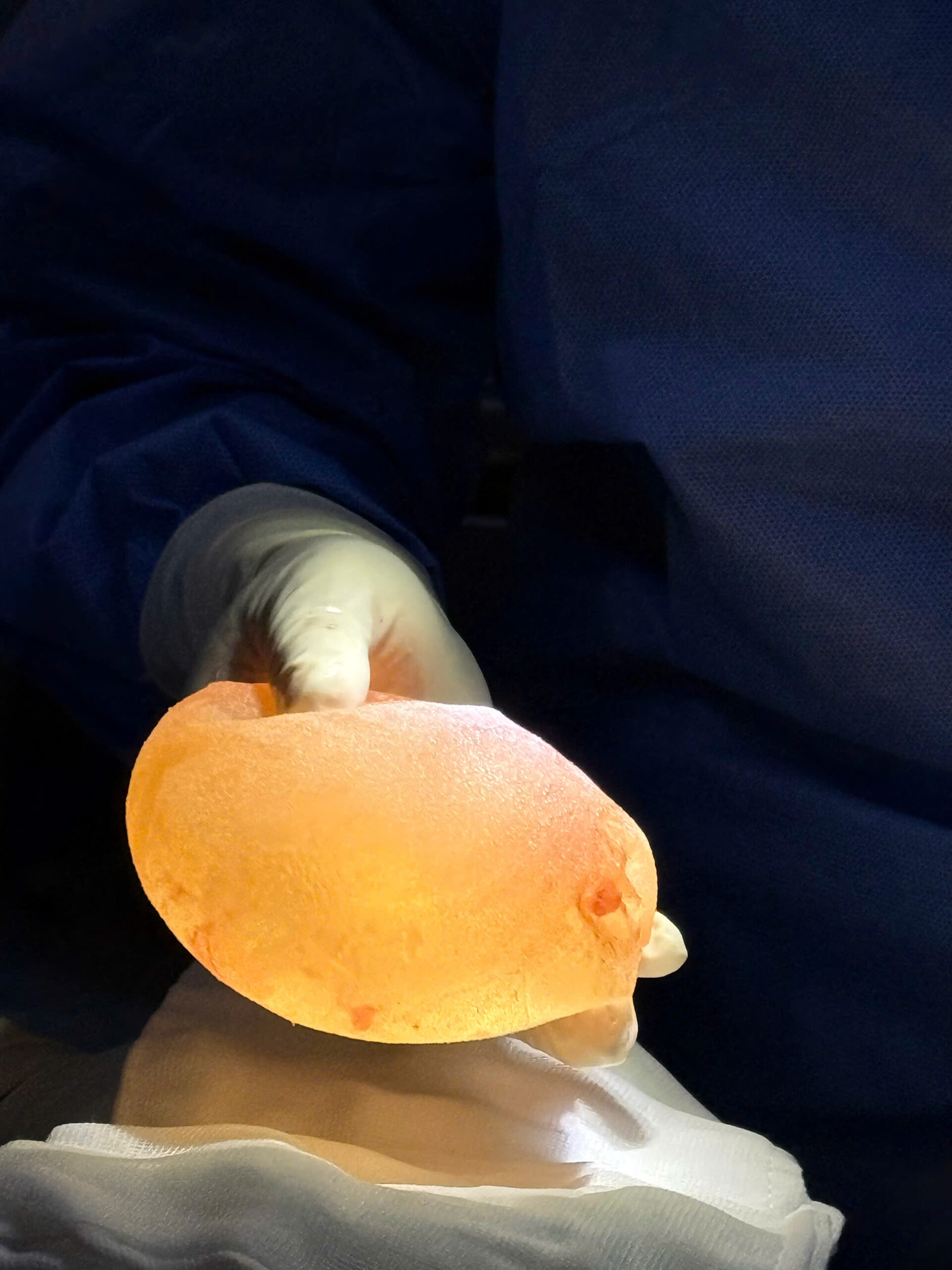
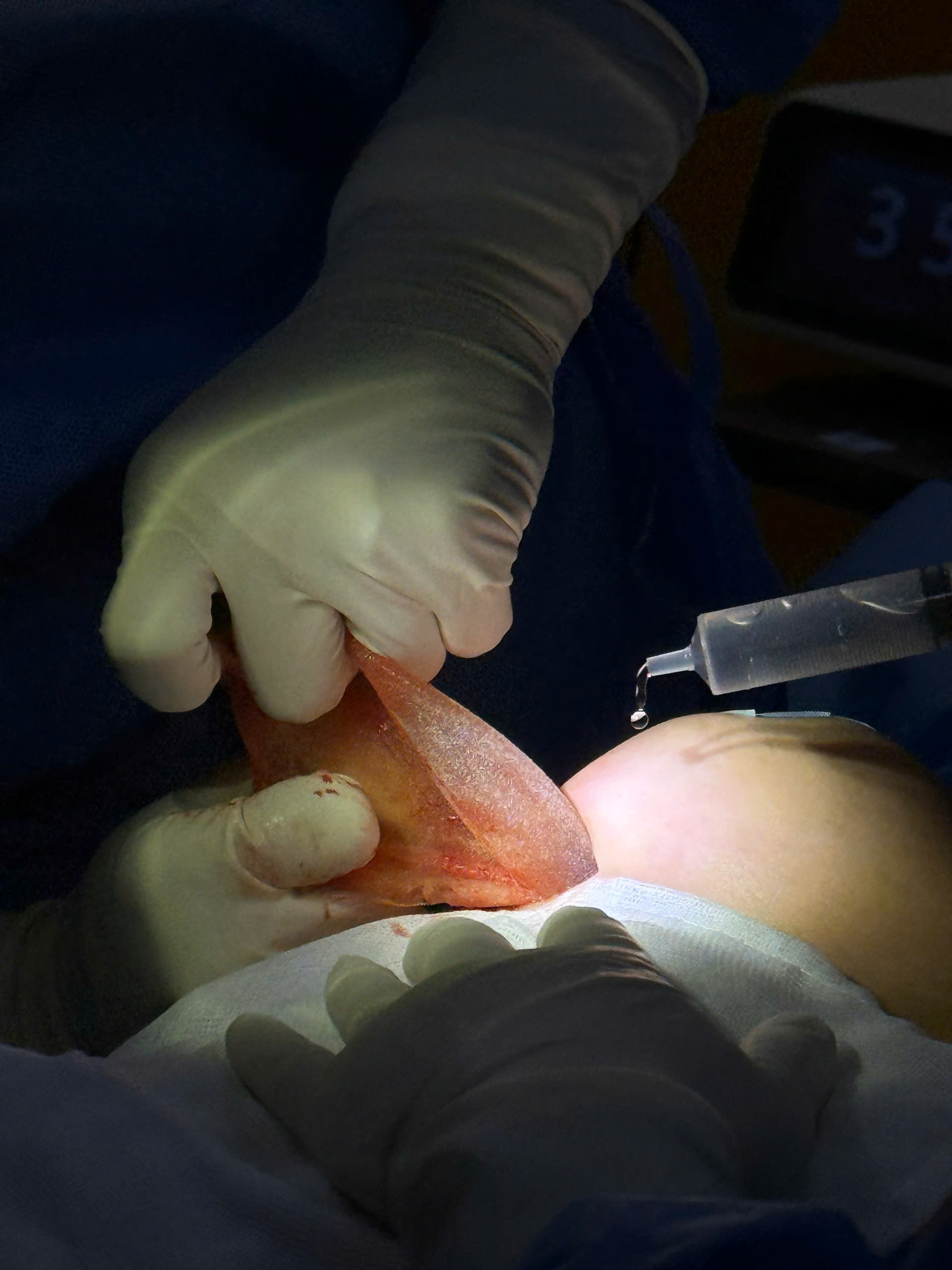
MSc, MD Ho Cao Vu, who has performed more than 1,000 textured breast implant explantation procedures, reports that these cases frequently reveal abnormalities such as papillomatous growths within the implant pocket, abnormal inflammation and redness of the implant pocket, grade II, IV, and V capsular contracture, and double capsules. He recommends that patients with textured breast implants who are at risk of breast implant-associated anaplastic large cell lymphoma (BIA-ALCL) undergo implant explantation to ensure their safety, in accordance with recommendations from international medical organizations.
Questions worth asking your surgeon
The evidence suggests that a few specific questions are more useful than a general worry about cancer:
- Which implant do I have: the manufacturer, the model and the surface type? The implant card or operative record usually states this.
- If I develop sudden swelling, pain or a lump years after surgery, who should I contact, and will the fluid be tested for BIA-ALCL?
- If an operation is needed, will the capsule be removed completely, and what does that mean for the plan?
- What does follow-up look like for my implants, and is it separate from any BIA-ALCL concern?
A related case from the practice, in which textured implants were taken out after ten years, is described in our case report on removal of textured implants after 10 years.
Frequently asked questions
Is BIA-ALCL the same as breast cancer? No. The FDA states that it is not breast cancer. It is a lymphoma, a cancer of the immune system, that develops in the fluid and capsule around the implant.
How long after surgery can it appear? In the consensus review, cases appeared between 2 and 28 years after implantation, most commonly between 7 and 10 years. A swelling that appears in the first weeks after surgery is a different matter.
Do I need screening tests if I have textured implants and no symptoms? The consensus review states that screening and prophylactic implant removal are not recommended in people without symptoms, and the FDA does not recommend routine removal of implants in patients who have no symptoms. Anyone with a late swelling, a lump or pain around an implant should be examined.
Is the disease curable? The FDA says most patients are treated successfully with surgery to remove the implant and surrounding scar tissue. Outcomes depend on how far the disease has spread at diagnosis, which is why the review stresses early diagnosis and treatment.
Conclusion
BIA-ALCL is a rare lymphoma that develops around breast implants, in the reports available mostly with textured ones, and usually years after surgery. Published risk estimates for textured implants vary by a factor of thirty, and the largest differences come from the implant design and from how risk is counted. The warning sign is a late, persistent swelling, a mass or pain next to an implant, and the diagnosis rests on testing the fluid. Without symptoms, the FDA and the consensus review do not recommend removal as prevention. The most useful step for any person with implants is to know which implant they have and to act on a late change instead of waiting.
References
- U.S. Food and Drug Administration — Breast Implant-Associated Anaplastic Large Cell Lymphoma (BIA-ALCL) — https://www.fda.gov/medical-devices/breast-implants/breast-implant-associated-anaplastic-large-cell-lymphoma-bia-alcl
- U.S. Food and Drug Administration — Medical Device Reports of Breast Implant-Associated Anaplastic Large Cell Lymphoma (data as of 30 June 2024) — https://www.fda.gov/medical-devices/breast-implants/medical-device-reports-breast-implant-associated-anaplastic-large-cell-lymphoma
- Clemens MW, DeCoster RC, Fairchild B, Bessonov AA, Santanelli di Pompeo F. Finding Consensus After Two Decades of Breast Implant-Associated Anaplastic Large Cell Lymphoma. Seminars in Plastic Surgery 2019;33(4):270–278 — https://pmc.ncbi.nlm.nih.gov/articles/PMC6797486
- Elameen AM, AlMarakby MA, Atta TI, Dahy AA. The Risk of Breast Implant-Associated Anaplastic Large Cell Lymphoma: A Systematic Review and Meta-Analysis. Aesthetic Plastic Surgery 2024 — https://pmc.ncbi.nlm.nih.gov/articles/PMC11750888/