Breast Revision Surgery 11 Years After Augmentation: Correction of Recurrent Implant Bottoming Out and Grade III Capsular Contracture
MSc, MD Ho Cao Vu — Medically Reviewed
Medical Practice Certificate No. 028475/BYT-CCHN, issued by the Ministry of Health on June 28, 2018. A specialist in General Surgery and Plastic and Aesthetic Surgery, with over 15 years of experience in plastic and aesthetic surgery and more than 20 years of surgical experience treating benign diseases, breast cancer, abdominal wall disorders, and intra-abdominal conditions.
Ms. N. (35 years old) consulted MSc, MD Ho Cao Vu 11 years after breast augmentation, having undergone two previous surgical interventions due to complications. Her right breast was firm and distorted due to grade III capsular contracture, while her left breast had developed recurrent implant bottoming out despite previous capsulorrhaphy. On October 10, 2026, the surgeon performed bilateral implant explantation and replacement, addressed the capsular contracture, expanded deficient areas of the implant pockets, converted both pockets to a fully submuscular plane, and performed capsulorrhaphy to reconstruct the implant pockets.
Examination confirmed that both previous implants remained intact. The underlying problems were capsular contracture on the right and inadequately addressed implant pocket abnormalities on the left.
Therefore, the revision surgery required more than implant replacement. Each implant pocket had to be addressed individually to ensure proper positioning of the new implants.
Patient With Breast Implants in Place for 11 Years
-
Patient: Ms. N. (35 years old)
-
Physical characteristics: Height 157 cm, weight 46 kg (slender body frame, thin chest wall soft-tissue coverage, and pectus carinatum)
-
Condition 11 years after breast augmentation: Grade III capsular contracture of the right breast (Allergan textured implant) and recurrent implant bottoming out of the left breast (following placement of a Mentor smooth implant and a second surgery involving suturing of the inframammary fold)
-
Operating surgeon: Dr. Ho Cao Vu
-
Date of surgery: October 10, 2026
-
Anesthesia: Laryngeal mask airway (LMA) anesthesia
Right Breast Capsular Contracture (Previously Diagnosed as “Smooth Implant Allergy”), With No Contracture in the Left Breast
The patient underwent breast augmentation 11 years ago through a transaxillary incision, initially receiving smooth implants of approximately 285cc. She subsequently underwent two surgical interventions due to complications. According to Ms. N., her right breast became extremely firm, almost rock-hard, immediately after the initial augmentation. The previous surgeon diagnosed capsular contracture attributed to a breast implant allergy and performed a revision under warranty, replacing the smooth implant with an Allergan textured implant through the transaxillary incision.
On the left side, the patient developed implant bottoming out and underwent capsulorrhaphy to correct the affected area of the implant pocket. However, she experienced persistent pain for six months after surgery, and the implant bottoming out showed no improvement.
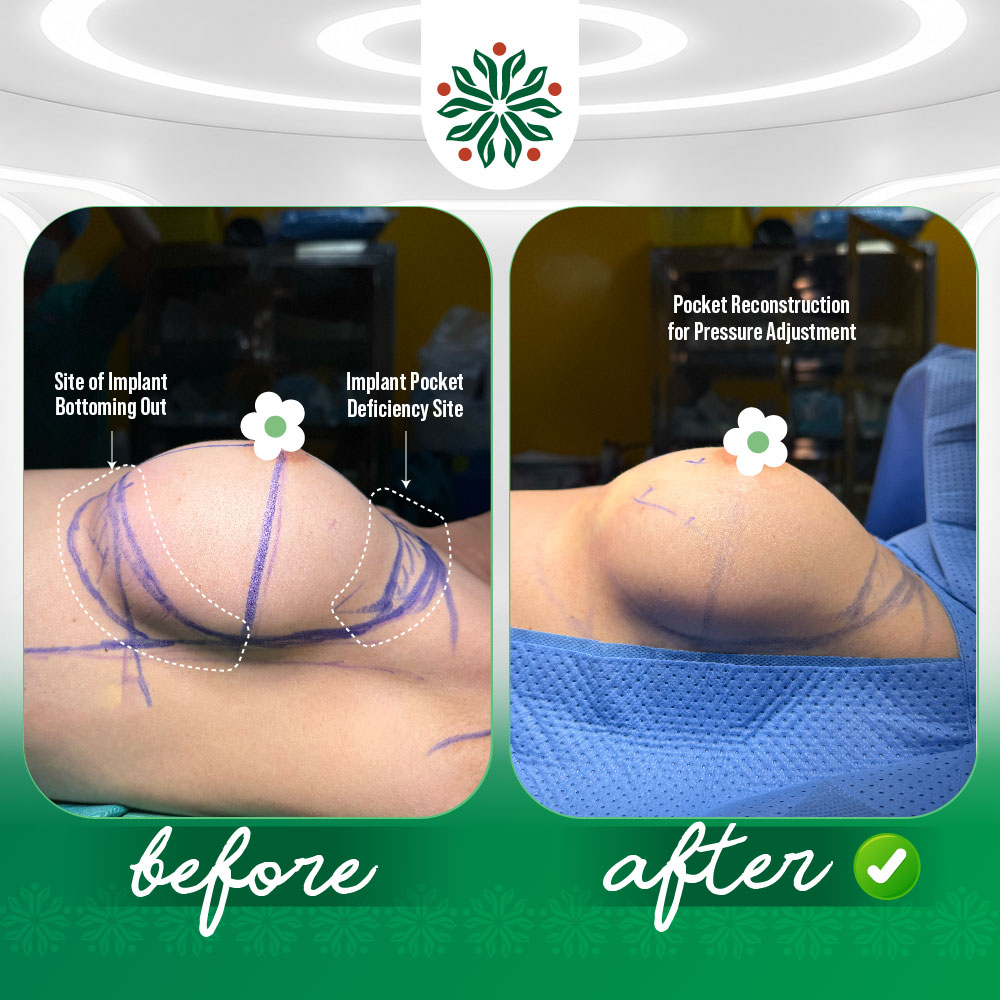
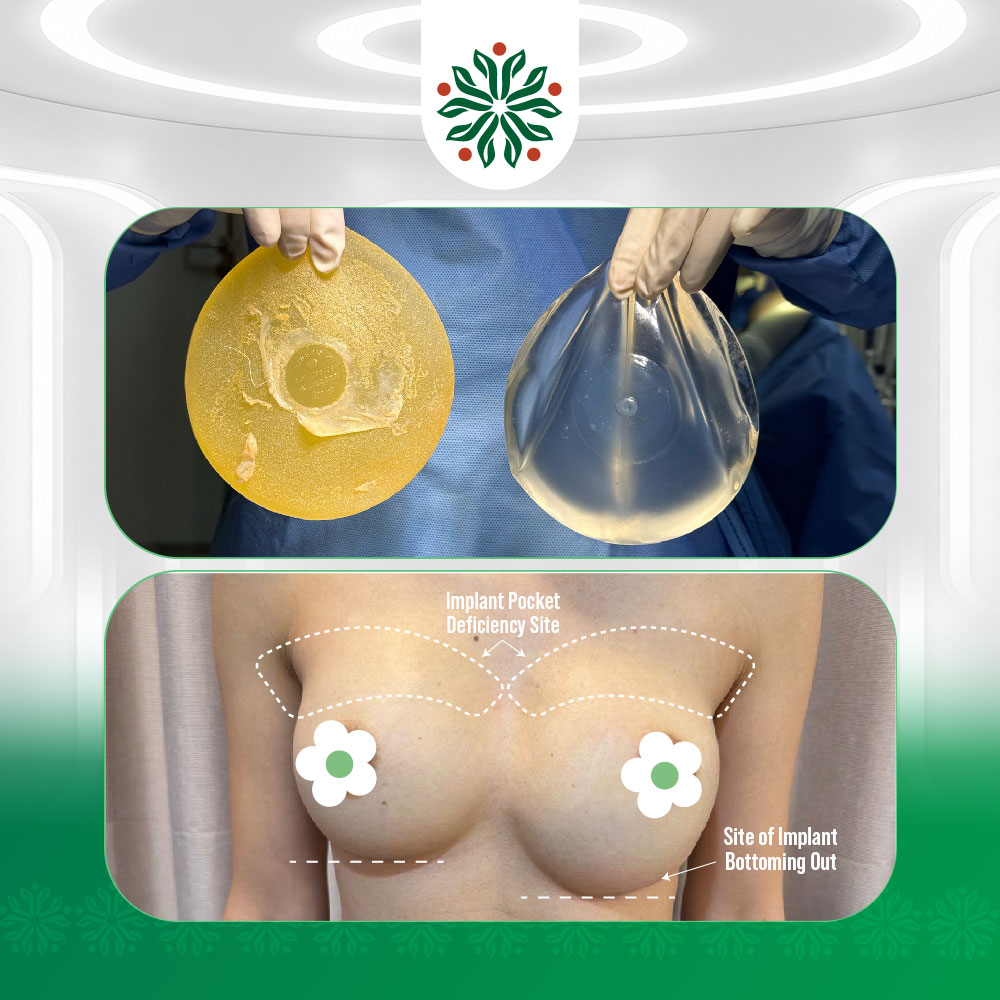
Recurrent Left Implant Bottoming Out and Right Implant Visibility Between the 6 and 9 O’Clock Positions
The left breast showed recurrent implant bottoming out, while the right breast exhibited visible implant contours between the 6 and 9 o’clock positions, along with firmness and localized deformities of the breast mound. During clinical examination and assessment, Dr. Ho Cao Vu documented the following findings:
Left Breast (L):
The previous Mentor moderate-profile implant remained intact. Recurrent implant bottoming out was present at the inframammary fold, together with insufficient implant pocket space along the upper-outer border. Although capsulorrhaphy had been performed during the second surgical intervention, implant bottoming out recurred. The primary cause was the failure to address the underlying deficiency of the implant pocket along its upper border.
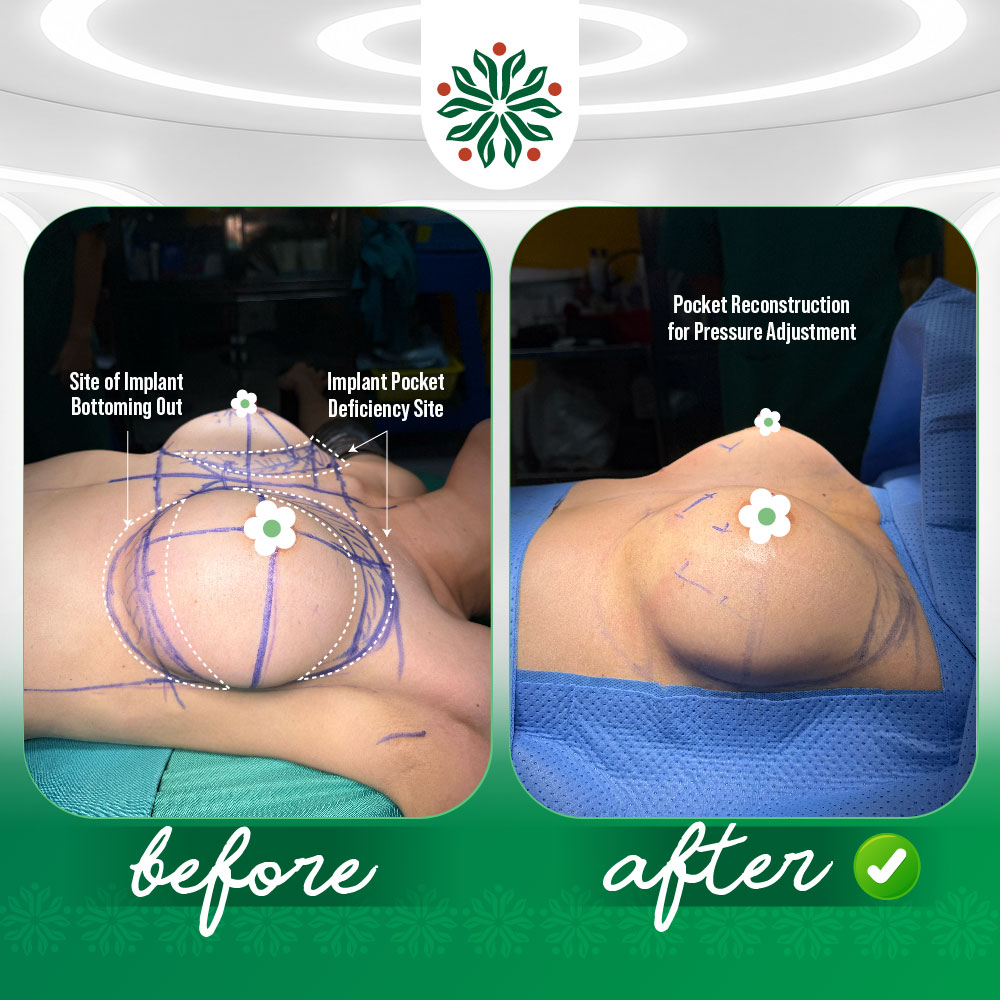
Right Breast (R):
The previous implant was an intact 290cc Allergan textured implant. The patient had grade III capsular contracture along the lateral border and inframammary fold. The lower-outer breast showed indentation, surface rippling and irregularity, with visible implant edges and folds between the 6 and 9 o’clock positions.
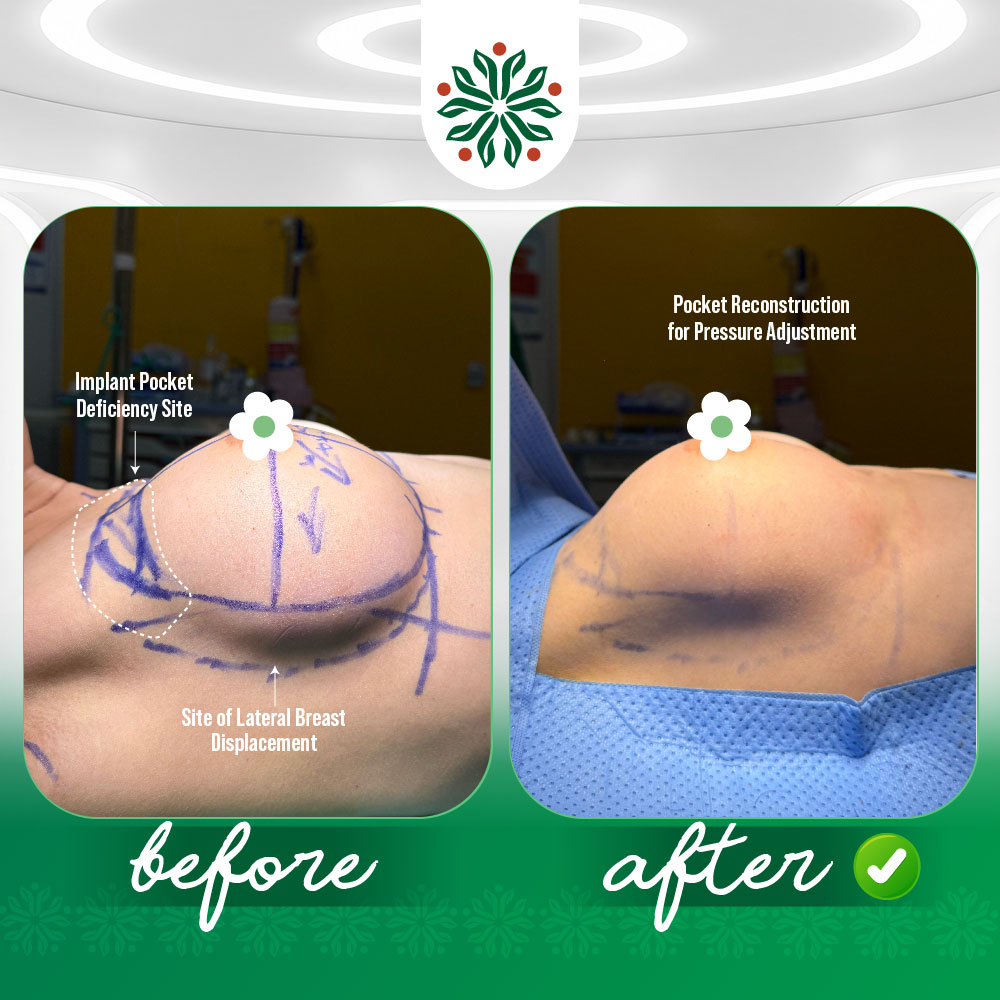
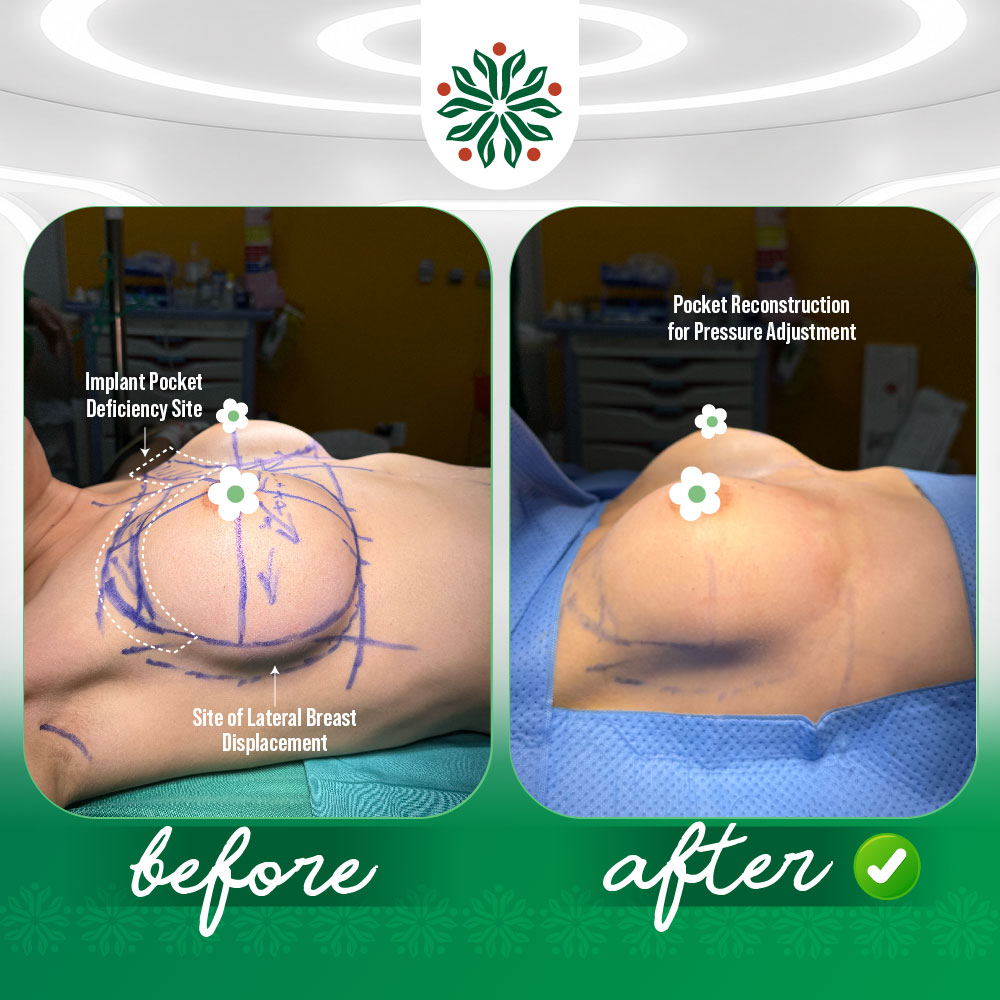
Watch the video:
Right Allergan Breast Implant Explantation, Grade III Capsular Contracture Along the Lateral Border and Inframammary Fold
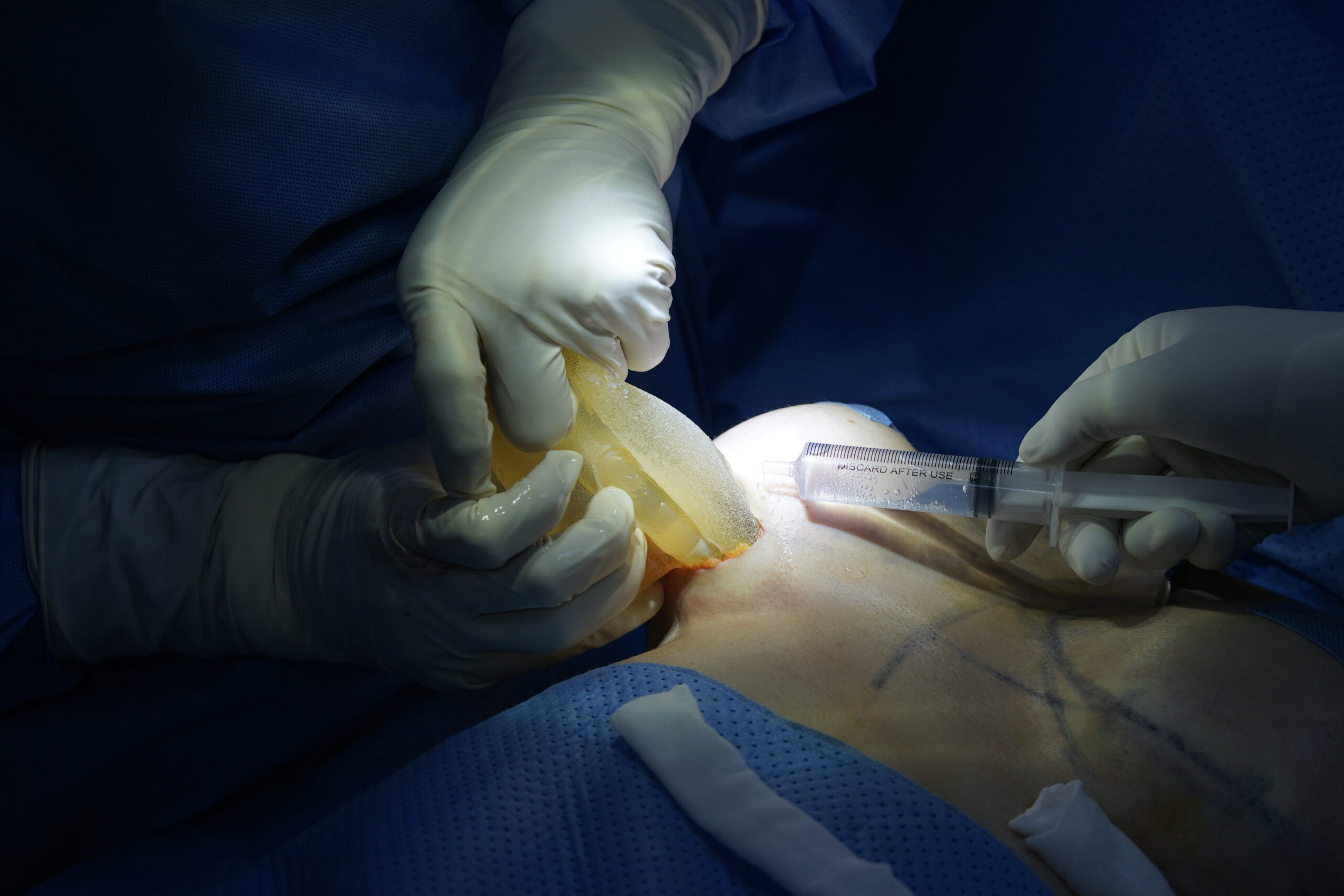
Breast Implant Explantation and Replacement With Correction of Capsular Contracture and Implant Bottoming Out
Management of Capsular Contracture (Right Breast):
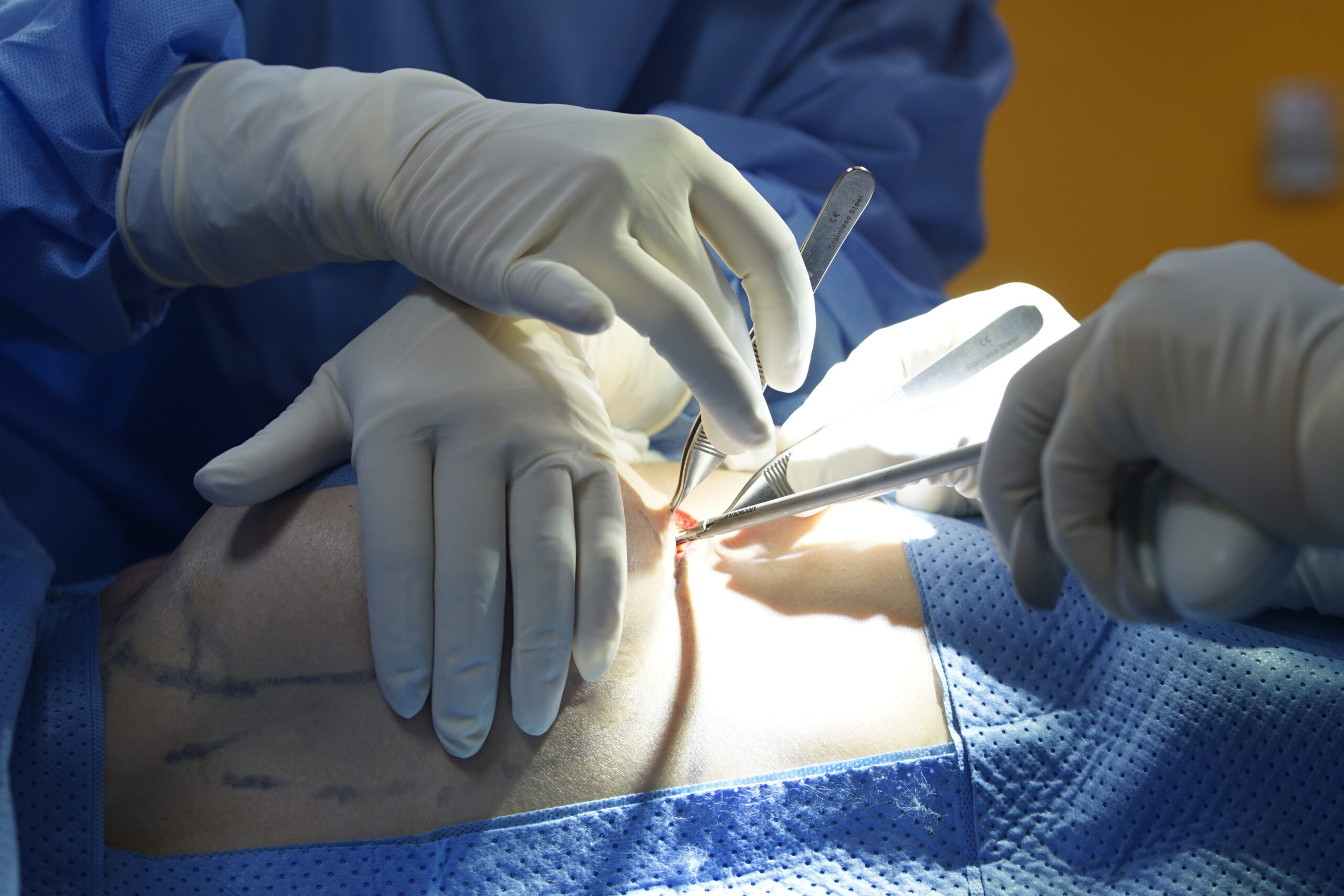
Upon dissection through the superficial fascia, thickened, inflamed implant pocket tissue and grade III capsular contracture were identified. A partial capsulectomy was performed, and the excised tissue was sent for histopathological examination.
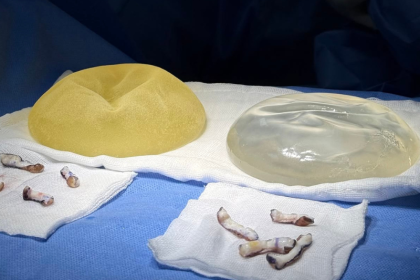
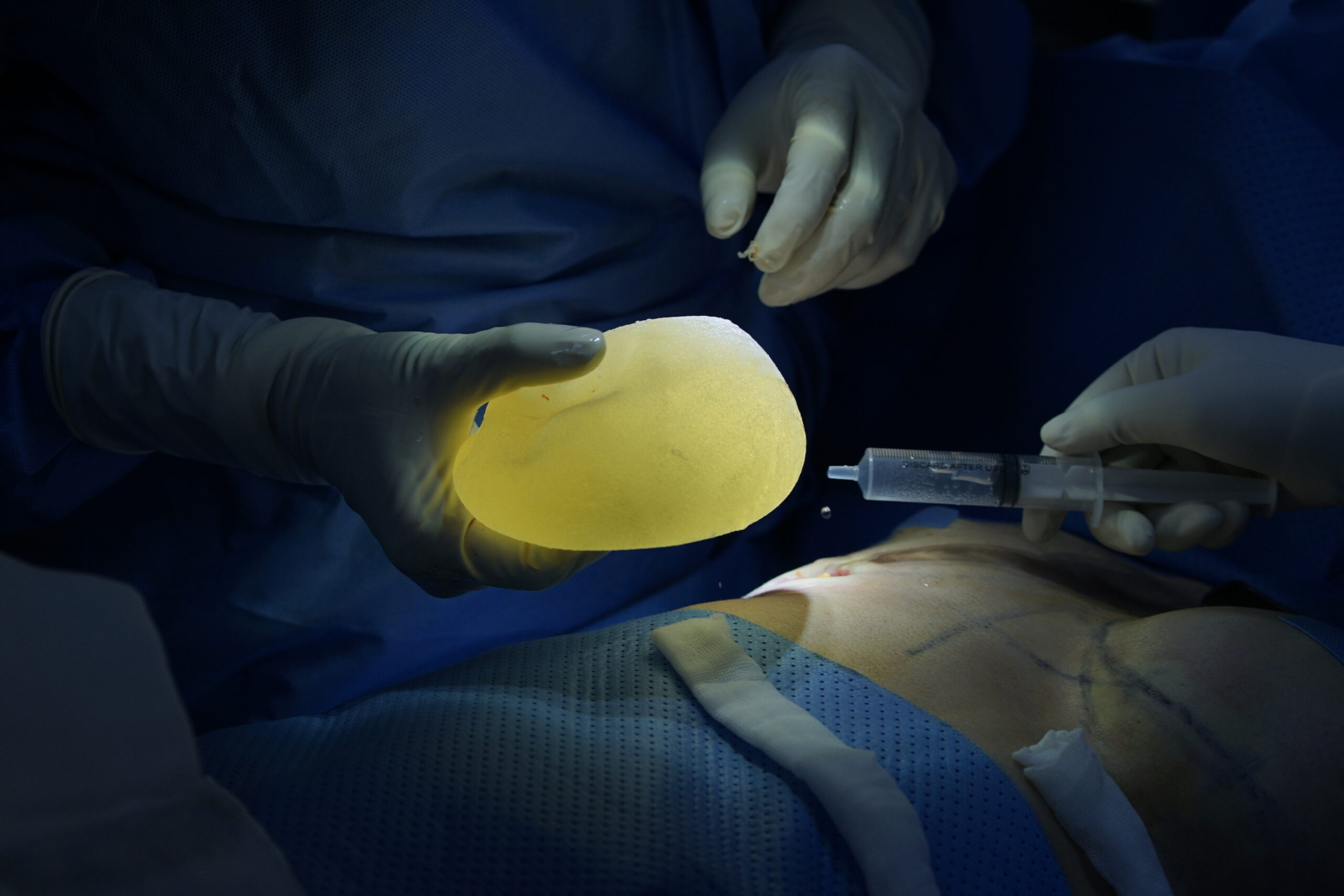
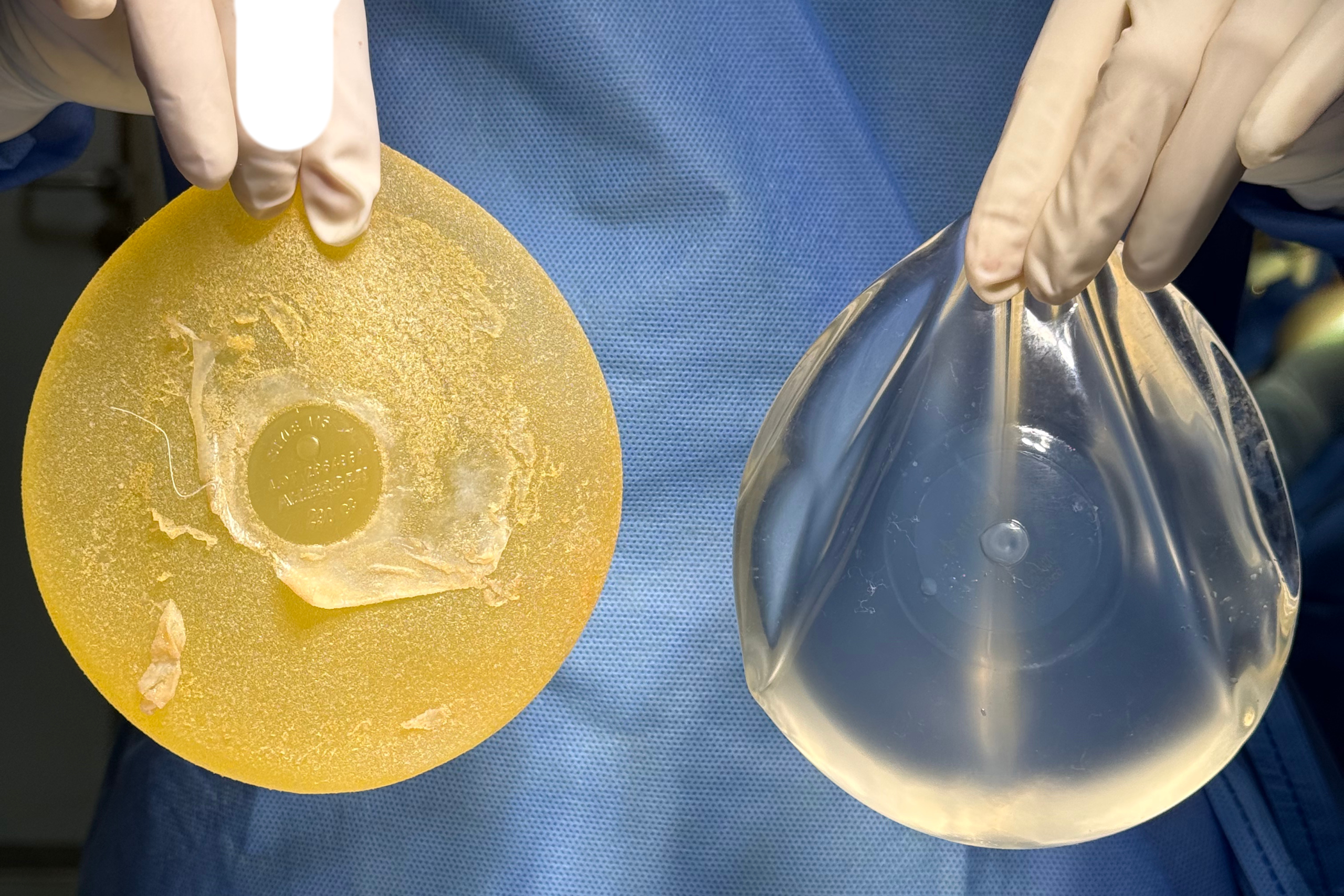
The previous implant, an intact 290cc Allergan textured implant (12–3.8), was explanted. Examination of the implant pocket revealed insufficient space along the upper border and implant bottoming out at the lower-outer border.
The implant pocket was expanded using an ultrasonic surgical scalpel and converted to a fully submuscular plane beneath the pectoralis major muscle (the previous implant had been placed using the dual-plane technique). Capsulorrhaphy was performed between the 5 and 9 o’clock positions. Capsular tissue was excised to reduce pressure within the implant pocket.
A new 295cc Mentor XTRA moderate-plus projection implant (11.5–4.0) was placed.
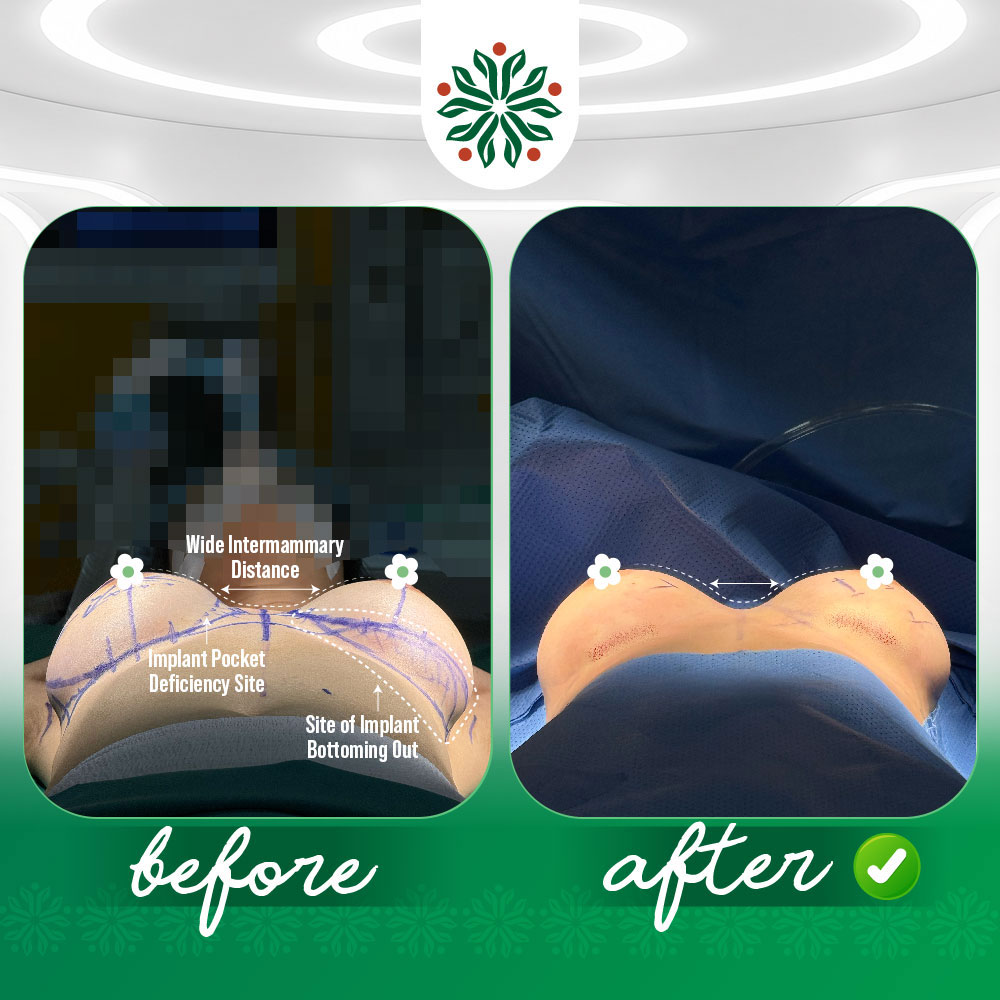
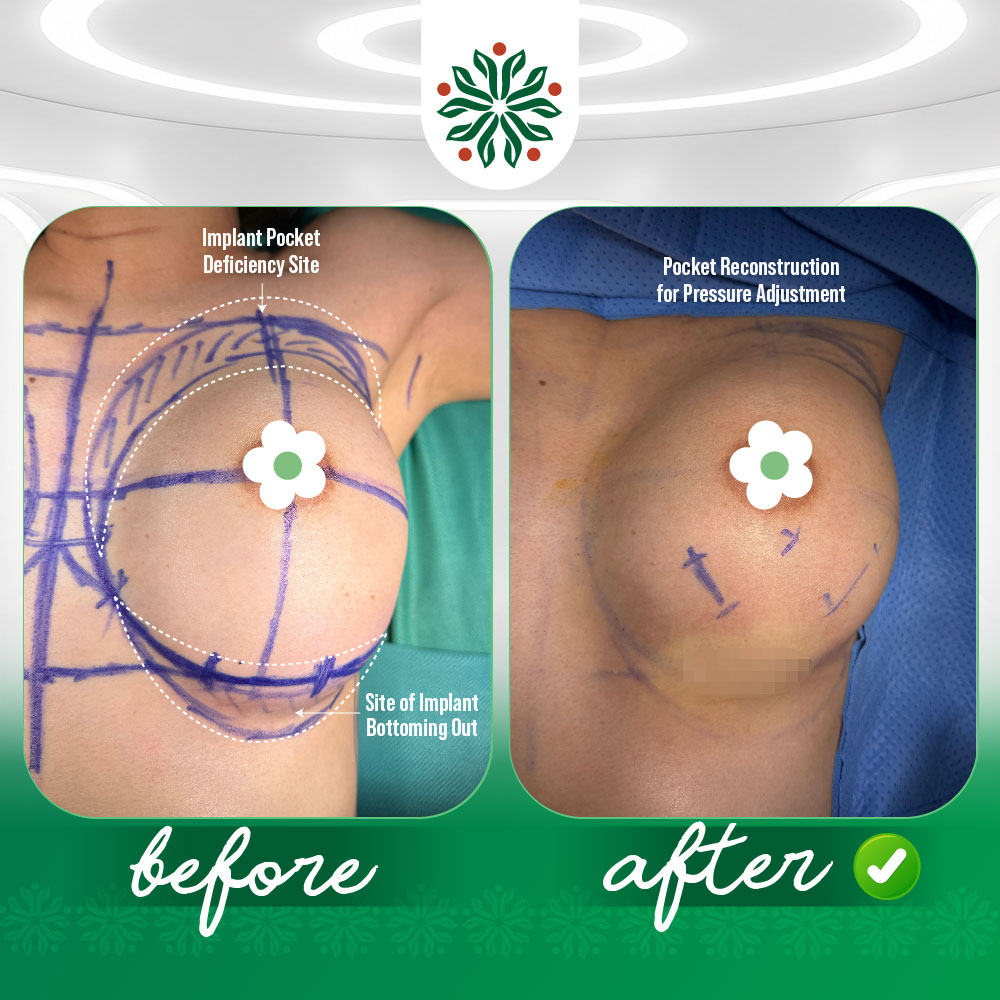
Management of Recurrent Implant Bottoming Out (Left Breast):
Upon dissection through the superficial fascia, the implant pocket tissue was found to be thin.
The previous implant, an intact 300cc Mentor Classic moderate-profile implant (11.1–4.5), was explanted. Examination revealed insufficient implant pocket space along the upper border, with downward displacement of the pocket along the lateral border and inframammary fold.
The upper portion of the implant pocket was expanded using an ultrasonic surgical scalpel, and the pocket was converted to a fully submuscular plane beneath the pectoralis major muscle. Capsulorrhaphy was performed from the 3 to 7 o’clock positions.
A new 295cc Mentor XTRA moderate-plus projection implant (11.5–4.0) was placed.
Watch video:
Left Mentor Breast Implant Explantation, Conversion to a Fully Submuscular Implant Pocket Beneath the Pectoralis Major Muscle
Is a Diagnosis of “Unilateral Breast Implant Allergy” Medically Accurate?
A diagnosis of “unilateral breast implant allergy” is NOT CORRECT (or is medically imprecise). An allergy is an immune hypersensitivity reaction that occurs when the body is exposed to an allergen. If the patient were truly allergic to the breast implant material, the reaction would affect both breasts rather than occurring exclusively on one side.
Unilateral breast firmness: When one breast, such as the right breast in this case, becomes rock-hard, this is a typical sign of capsular contracture rather than a breast implant allergy, as the previous surgeon had informed the patient.
The diagnosis of “unilateral breast implant allergy” was essentially an oversimplified explanation provided by the previous surgeon, or a way of avoiding direct discussion of the capsular contracture complication with the patient.
The underlying cause was an excessively narrow implant pocket and blind dissection through the transaxillary approach, resulting in hematoma and fluid accumulation, which subsequently led to capsule formation.
After 11 years, the fibrous capsule remained particularly thick along the anterior aspect between the 6 and 9 o’clock positions, continuously compressing the implant within the pocket. This resulted in implant aging and a more pronounced yellow discoloration of the silicone gel compared with the implant in the left breast.
From a medical perspective, the appropriate surgical management for this case involves capsular dissection and excision (partial or total capsulectomy), release of pressure within the implant pocket, surgical washout, and conversion of the implant placement plane to a submuscular position beneath the pectoralis major muscle.
Frequently Asked Questions
Question 1: Why Is Implant Pocket Reconstruction With Capsulorrhaphy Necessary to Correct Implant Bottoming Out After Breast Augmentation?
When the upper pole of the implant pocket has not been adequately developed, the breast implant lacks sufficient space to expand and settle evenly within the pocket. Over time, pressure from the deficient upper pole is continuously transferred to the lateral and inframammary regions, resulting in implant bottoming out.
Capsulorrhaphy helps correct the localized downward displacement of the implant. However, to prevent recurrent implant bottoming out after surgery, the surgeon must address the underlying cause by releasing constricted areas of the implant pocket, particularly at the upper pole, to achieve a more even distribution of pressure across the implant.
Question 2: How Is Grade III Capsular Contracture Managed During Revision Breast Surgery?
For grade III capsular contracture, characterized by thickened, fibrotic implant pocket tissue causing breast indentation and deformity, the surgeon performs a partial or total capsulectomy to completely release pressure within the pocket before reconstructing a new submuscular implant pocket.
In areas where the capsule is markedly thickened, hardened, calcified, or inflamed and erythematous, the surgeon thoroughly dissects and excises the affected capsular tissue to eliminate constrictive forces on the implant, helping restore a natural breast contour while maintaining safety.
Question 3: Which Type of Breast Implant Is Suitable for Patients With a Slender Body Frame and Thin Breast Tissue?
Patients with a thin chest wall and slender body frame should avoid excessively large implants or implants with very high projection, such as the Mentor Boost line.
Prioritizing implants with moderate projection and a diameter appropriate for the patient’s thoracic cage anatomy, such as the Mentor MemoryGel Xtra line, can help achieve a softer breast contour while reducing the risk of visible implant edges or surface rippling.
In addition to implant selection, the surgeon’s precise dissection technique and choice of an appropriate implant placement plane, such as conversion to a fully submuscular pocket beneath the pectoralis major muscle, play a decisive role in improving implant coverage and achieving a natural breast shape with long-term safety.